U.S. Senators Press Trump to Abandon Russian Diesel Deal With Putin
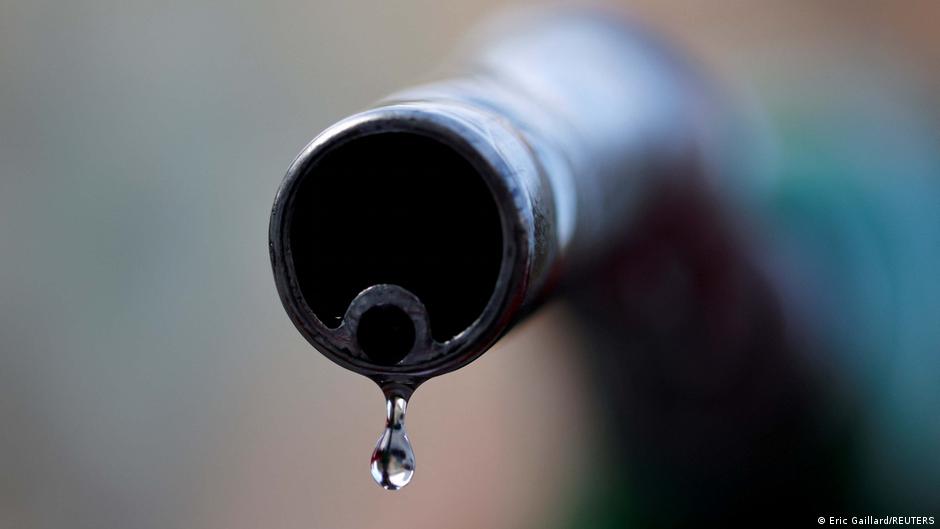
A bipartisan Senate group says easing sanctions on Russian diesel would fund Moscow’s war while offering little relief to U.S. fuel consumers.

A bipartisan Senate group says easing sanctions on Russian diesel would fund Moscow’s war while offering little relief to U.S. fuel consumers.

Kyiv denied that Trump proposed Zelensky travel to Moscow, highlighting the strategic stakes around venues, energy talks and diplomacy.

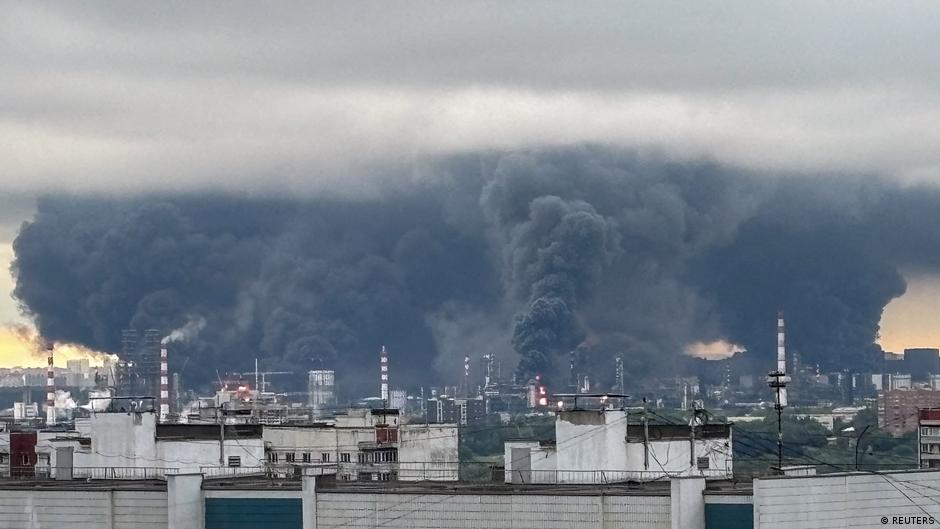
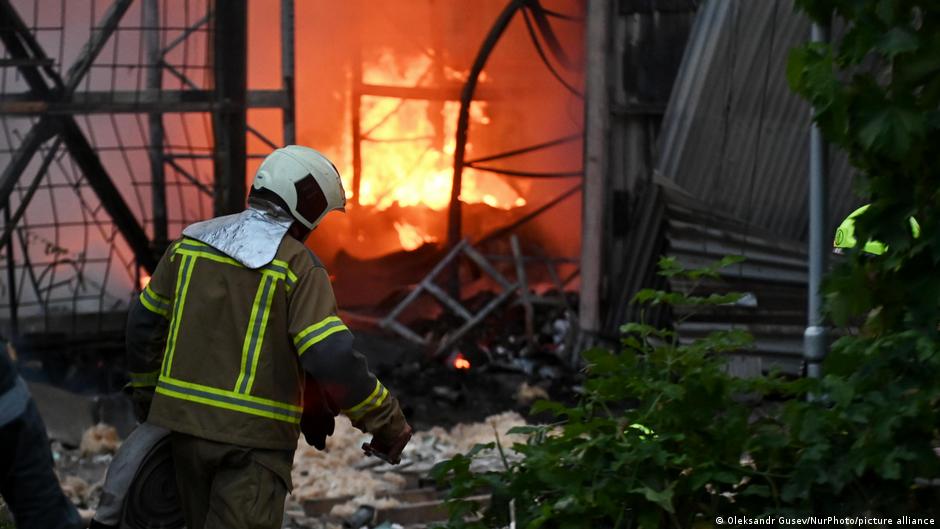
A mass drone attack near Moscow killed two people, disrupted airports and damaged logistics, residential and energy assets.

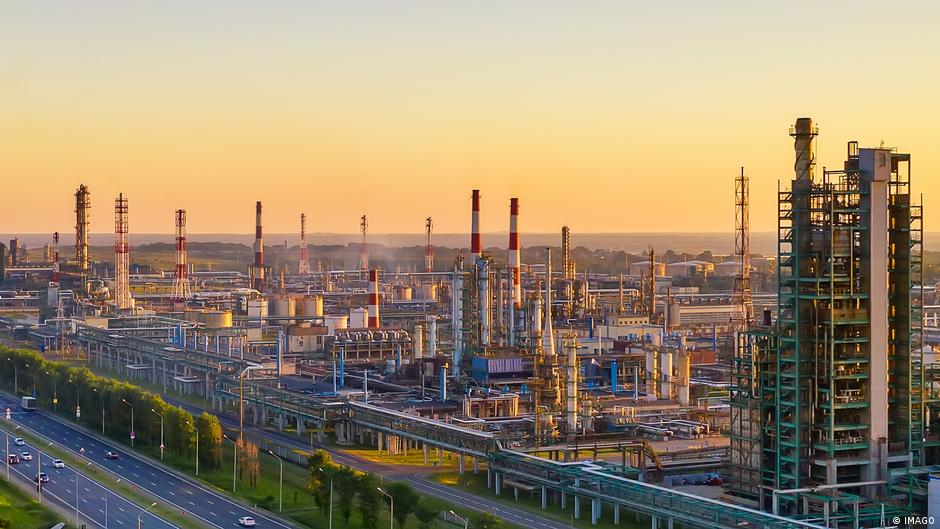
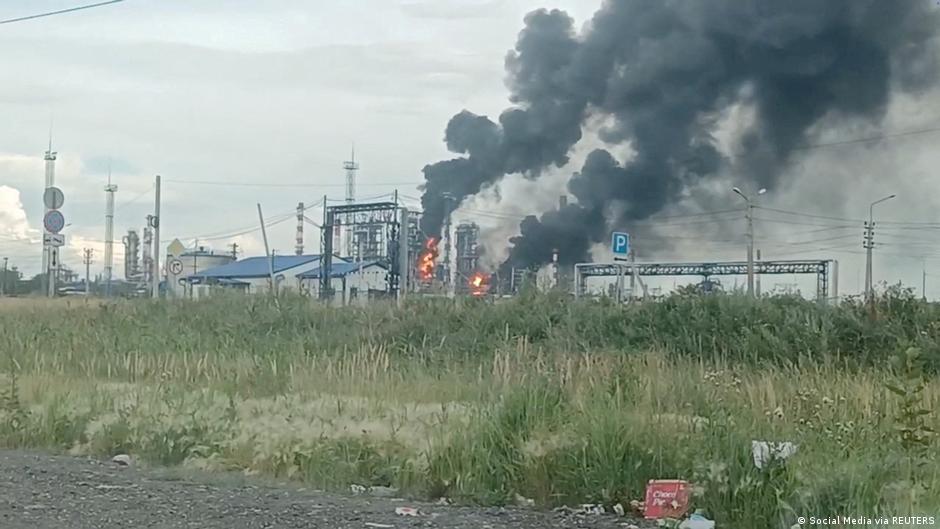
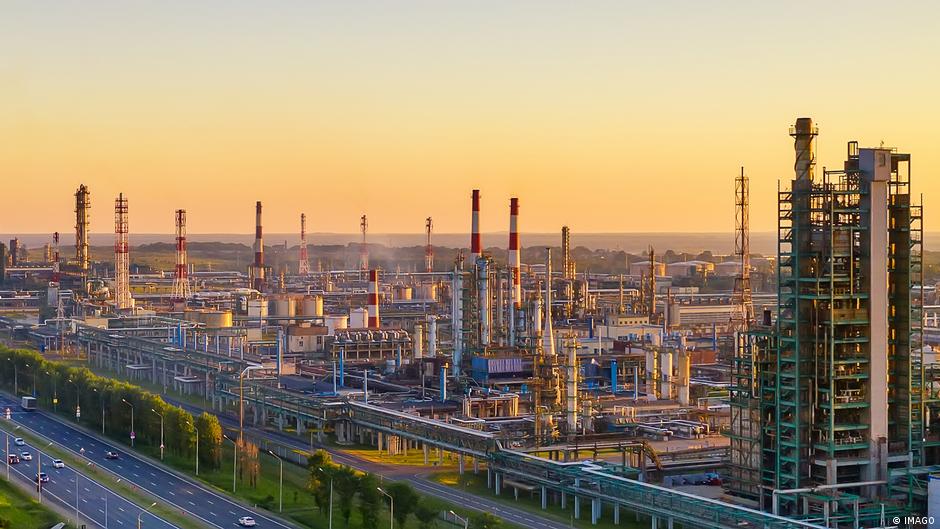
Damage to key units at YANOS has halted processing and fuel shipments, intensifying pressure on Russia’s refining network and domestic gasoline supply.

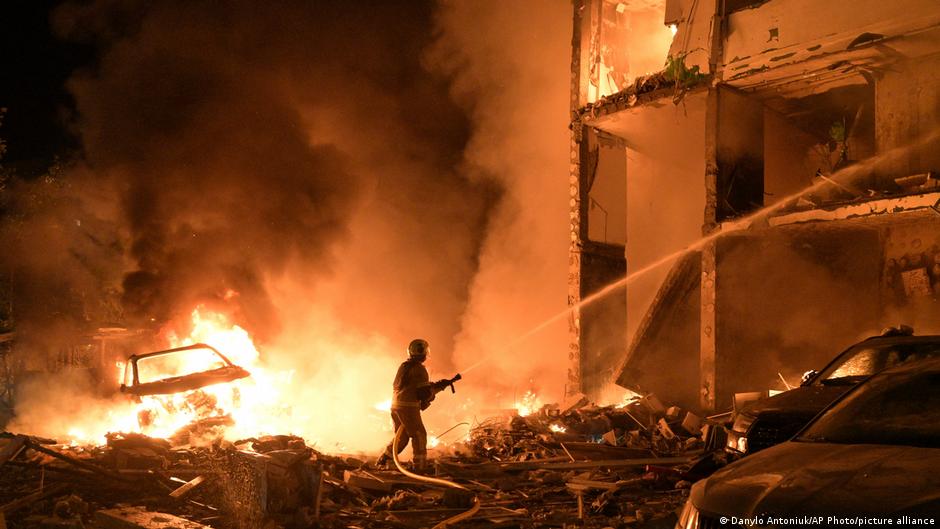
Russian drone attacks struck Kyiv fuel stations, warehouses and Odesa infrastructure, intensifying pressure on Ukraine’s logistics networks.

Zelensky says Ukraine may support a U.S.-backed energy truce if Washington can prove Russia is genuinely ready to end the war.

Russia authorizes sale of lower-grade Euro-2 to Euro-4 fuels until mid-2027, responding to refinery disruptions with a temporary, crisis-driven policy shift.

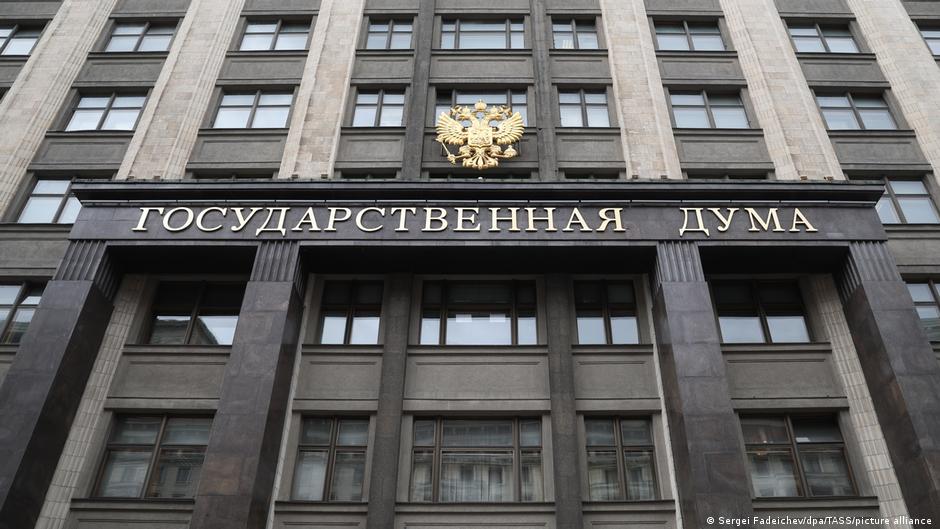
The Russian State Duma has amended tax laws to refine the fuel dampener system and import compensation, aiming to stabilize domestic fuel prices and supplies amid sector disruptions.

Russian missile strikes on Kyiv cause civilian injuries amid rising casualties and escalating Ukrainian drone attacks on Russian oil facilities.

Ukraine’s drone attacks have forced the Saratov oil refinery to halt operations, deepening Russia’s fuel shortage and prompting regional sales restrictions.

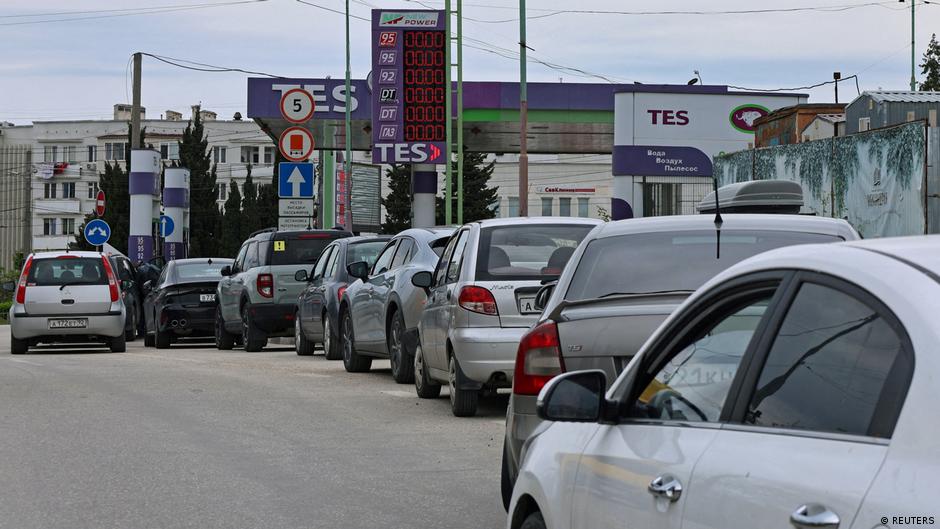
Gasoline prices in annexed Crimea surged 78.4% in early July amid Russia’s fuel shortages, export bans, and increased imports, signaling severe supply challenges.

Russia allows production and sale of Euro-3 gasoline and diesel until end of 2026 to ease fuel shortages caused by attacks on refineries, excluding exports to EAEU states.

Russia’s aviation fuel imports from Belarus surged nearly fourfold in May 2026, reflecting challenges in domestic production and prompting strategic shifts in fuel sourcing amid refinery disruptions.

A drone strike caused a fire at the Poltava oil depot near Krasnodar, disrupting regional fuel infrastructure amid broader attacks on energy facilities in Crimea.

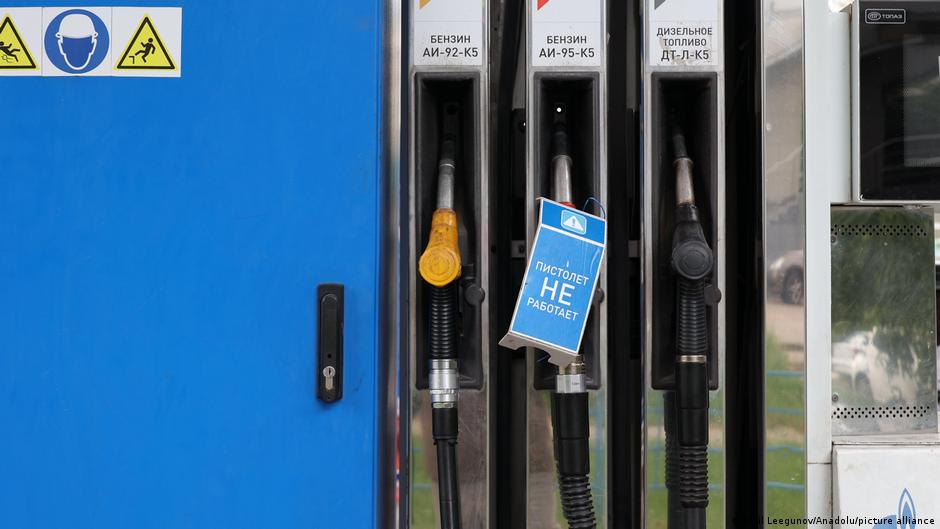
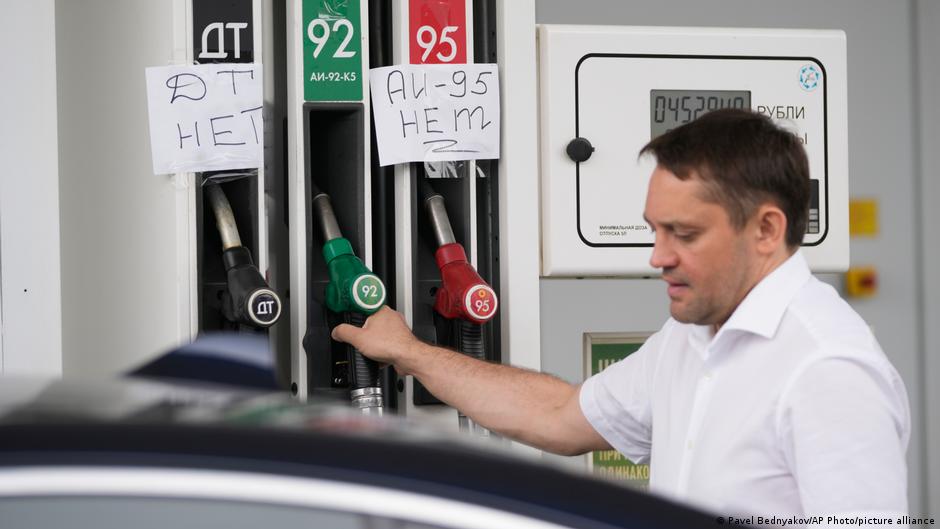
Russian regions impose fuel purchase limits due to supply disruptions from Ukrainian drone attacks on oil infrastructure, affecting over 50 regions nationwide.

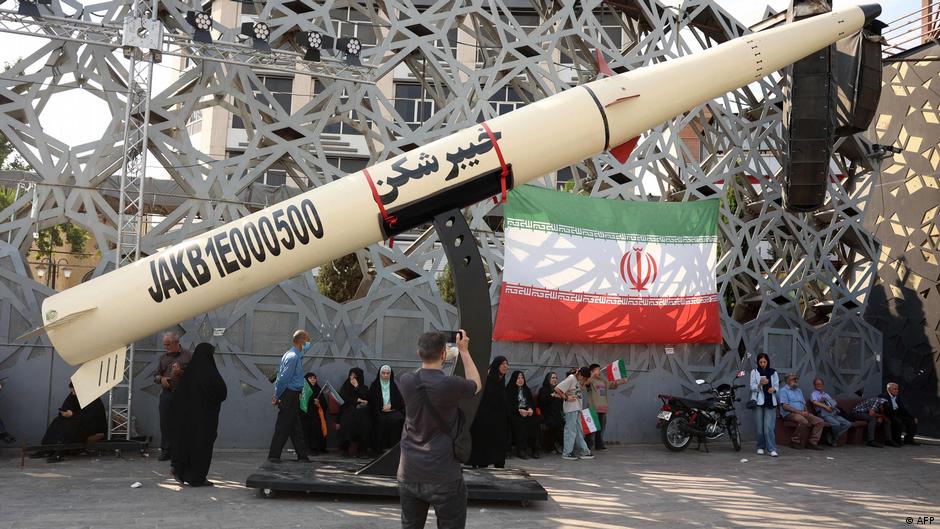
Iran has restored most of its missile stockpile during a ceasefire, potentially supported by new Russian missile deliveries, according to intelligence reports.

Russia plans to limit diesel and aviation kerosene exports temporarily amid refinery disruptions caused by repeated drone attacks, aiming to stabilize the domestic fuel market.

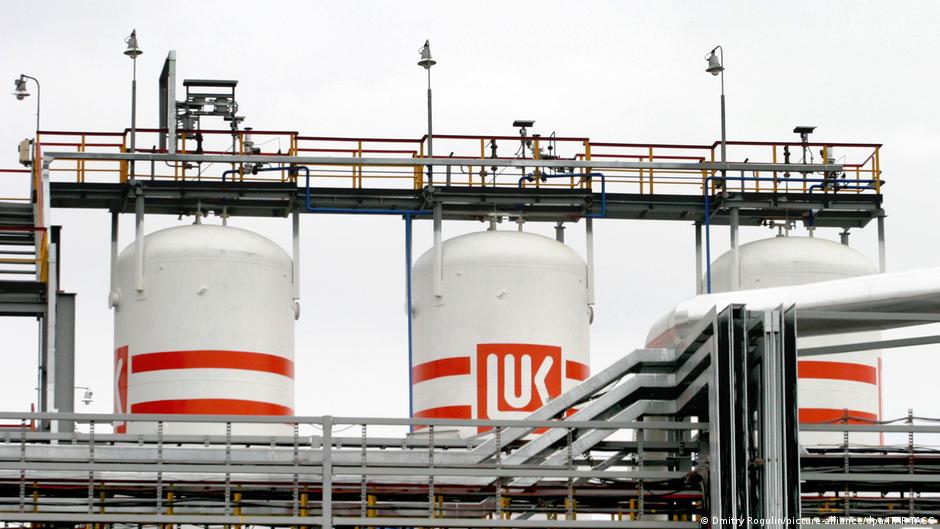
Lukoil's Nizhny Novgorod refinery halted over half its capacity after Ukrainian drone attacks, marking a significant blow to Russia's refining sector and fuel supply.

Russian forces launched drone and missile strikes across key Ukrainian regions, damaging infrastructure and causing injuries, signaling ongoing strategic targeting amid the conflict.