Germany’s Anti-Extremism Protests Signal Rising Political Risk for Business
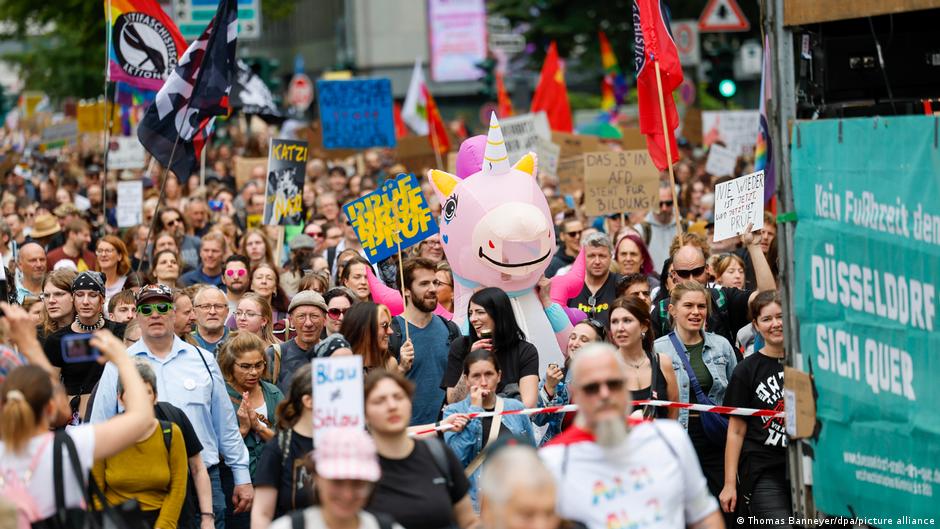
Mass protests across Germany after AfD gains point to rising political risk for companies, investors and regional business planning.

Mass protests across Germany after AfD gains point to rising political risk for companies, investors and regional business planning.

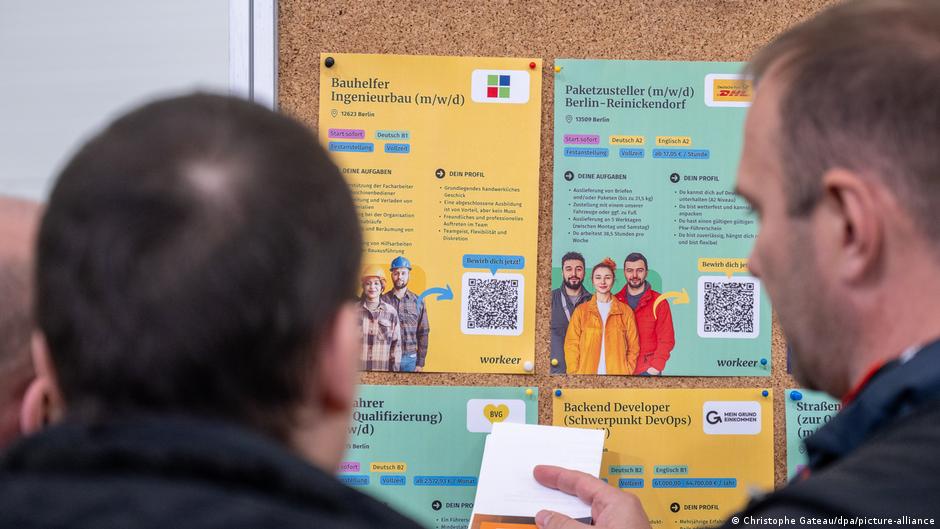
In 2025, the wage gap between German and foreign full-time employees remains at 23.6%, reflecting ongoing disparities in sectoral employment and qualification levels.

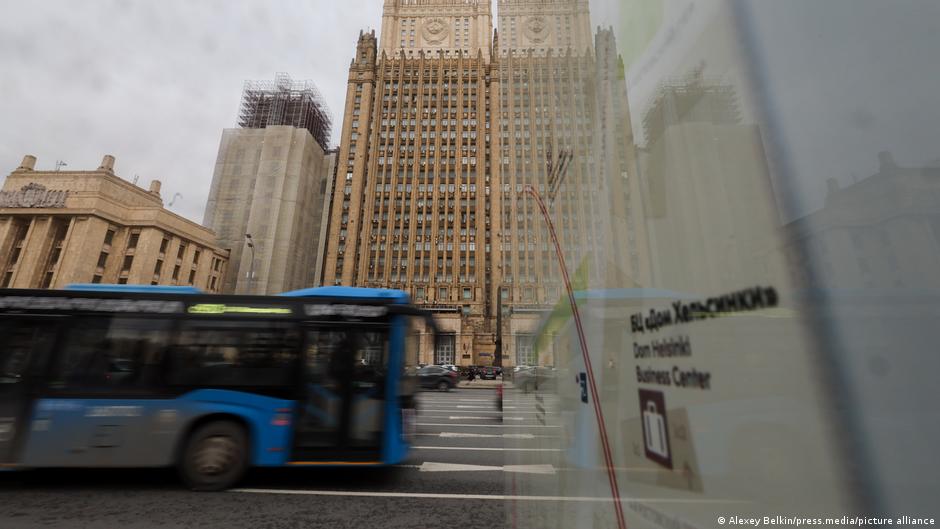
Russia permits individuals with limb amputations to drive buses and trucks, reflecting strategic moves to enhance workforce inclusion and leverage automation in public transport.

Russian military strikes on August 8 resulted in multiple civilian deaths and injuries across Ukrainian regions, severely affecting infrastructure and regional stability.

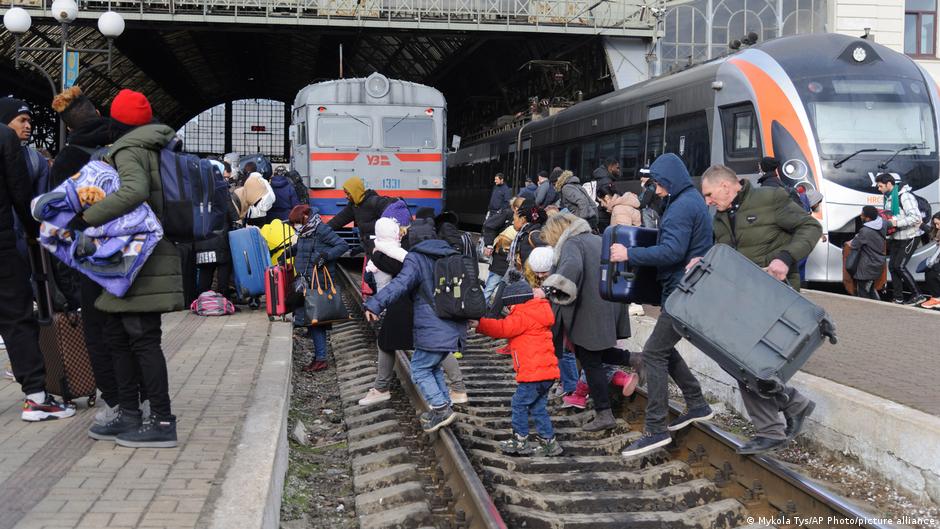
Over 8.4 million Ukrainians live abroad amid ongoing conflict, significantly altering the country's demographic and economic landscape and presenting challenges for recovery.

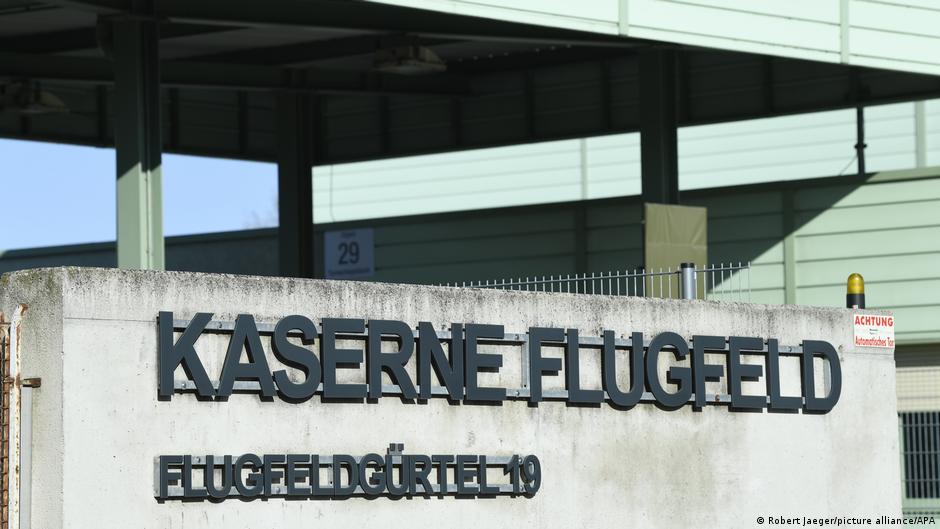
Austria plans to extend mandatory military service to nine months and introduce recurring training to strengthen defense amid increased security threats in Europe.

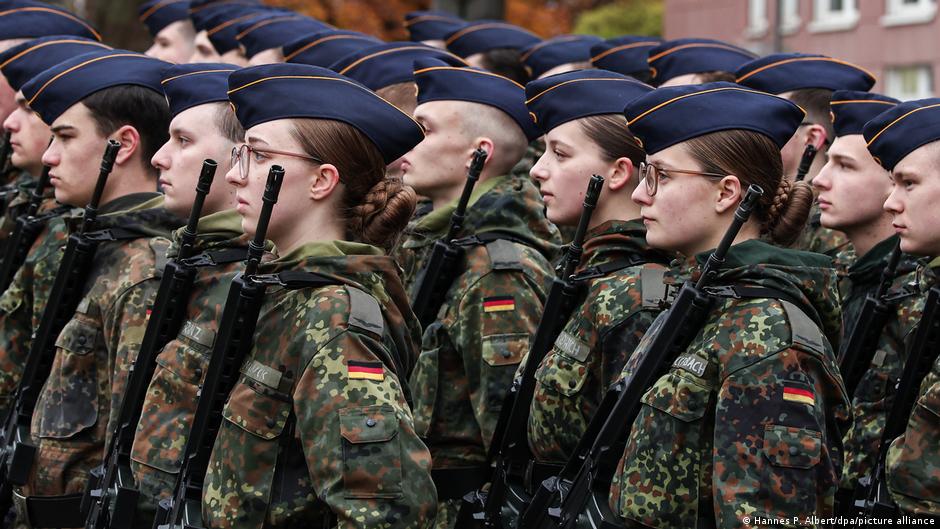
Germany recorded 5,862 military service refusals in H1 2027 amid new conscription reforms and rising security tensions, surpassing totals from previous years.

A DGB study reveals 40% of German workers doubt they can continue working until pension age due to heavy physical and mental job demands, prompting calls for improved labor conditions.

Germany’s workforce shortage is projected to increase by 4.3 million by 2036 due to baby boomer retirements and slower immigration, prompting strategic shifts in labor management.

US Congress approves $70 billion funding for ICE and CBP to reinforce immigration enforcement amid leadership changes and policy controversies.

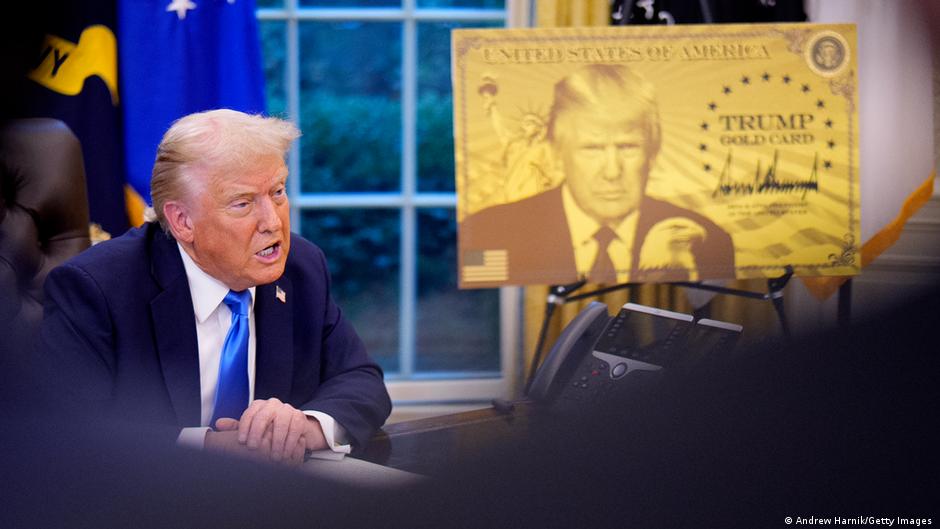
A U.S. federal court invalidated the Trump administration’s $100,000 H-1B visa fee, ruling it an unauthorized tax and impacting tech firms' talent acquisition strategies.

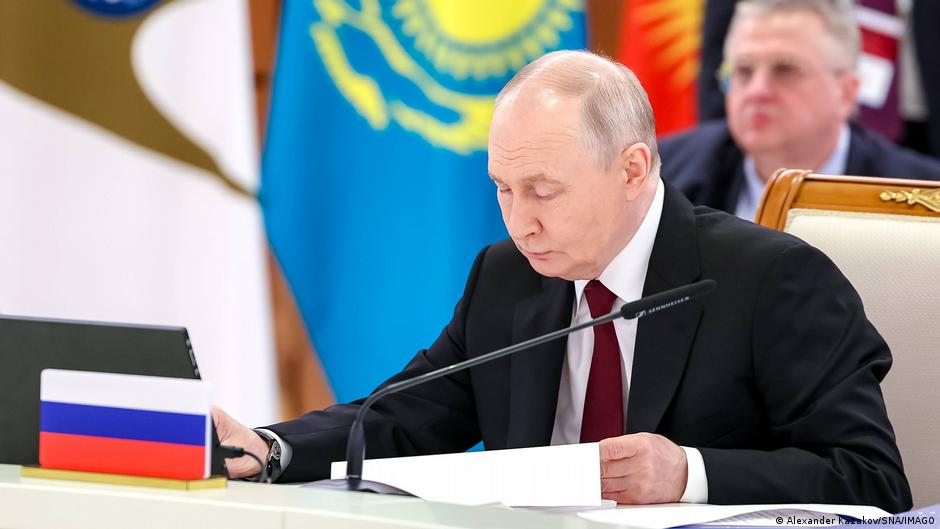
President Putin threatens Armenia with higher tariffs and work restrictions if it leaves the Eurasian Economic Union amid rising geopolitical tensions.

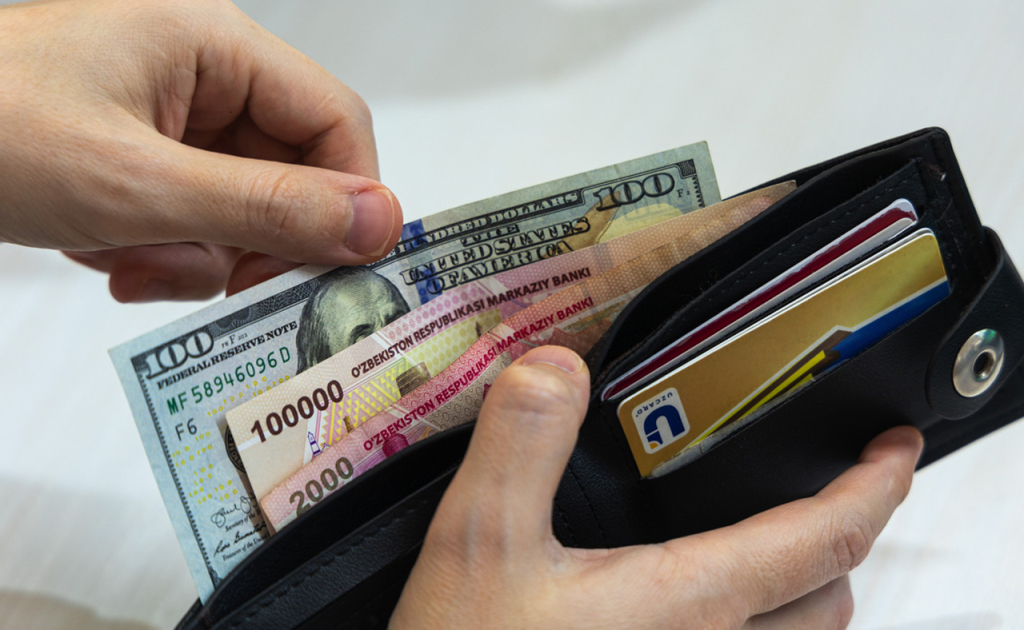
In April, the Uzbekistani som appreciated 1.8% against the dollar, driven by export growth and rising remittances, with expectations for continued exchange rate stability.

Uzbekistan’s urban centers see rising divorce rates and declining marriages, signaling critical demographic shifts with wide-ranging social and economic consequences.