Russian Attacks Result in Multiple Civilian Casualties Amid Escalating Regional Tensions
Russian military strikes caused fatalities and injuries across several Ukrainian regions, impacting infrastructure and civilian safety.
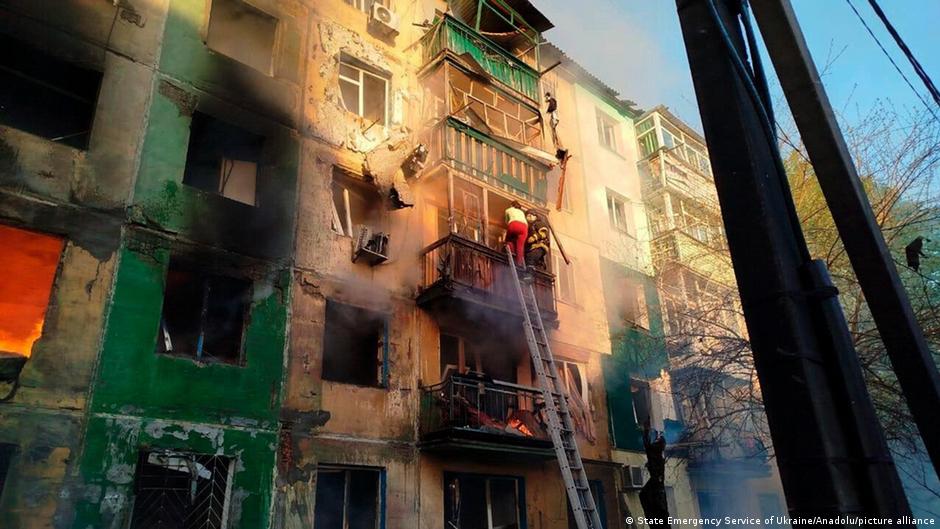
On August 8, Russian forces intensified attacks on multiple Ukrainian regions, resulting in at least four civilian deaths and numerous injuries. The assaults targeted critical infrastructure and residential areas, exacerbating the humanitarian and security challenges facing Ukraine.
Strategic Impact and Regional Damage Assessment
In the Dnipropetrovsk region, two people lost their lives and two others were wounded during sustained attacks. According to regional military administration head Oleksandr HanZha, enemy forces launched over 40 strikes using drones, artillery, and aerial bombs across four districts. The strikes damaged an outpatient clinic, administrative buildings, a retail establishment, and private residences. Additionally, a bus and a truck were destroyed, impacting local transportation and logistics.
The city of Pavlohrad endured intense shelling, with nine casualties reported, including four children aged between three months and six years. Medical teams provided urgent care, with two adults hospitalized and a 58-year-old woman reported in critical condition. These developments underscore the persistent threat to civilians and essential services in contested areas.
In Kharkiv region, two fatalities were confirmed. A 68-year-old man died following a strike by an FPV drone in Kupiansk district, while a 51-year-old man was killed by a UAV attack in Vasylyivka, Chuhuiv district. Additional damage included strikes on a city cemetery in Kharkiv’s Kyiv district, damaging graves and a gas pipeline, though no injuries were reported in that incident.
Izium city suffered from a guided aerial bomb attack resulting in five injuries and damage to four apartment buildings and ten vehicles. The wounded ranged in age from 18 to 87 years, highlighting the indiscriminate nature of the attacks on populated urban centers.
In Sumy region, Russian drone strikes targeted the Sumy-Kyiv train service. A locomotive was hit during the assault, prompting evacuation of passengers and train personnel without casualties. However, one railcar sustained damage. Ukrainian emergency services faced operational challenges, including repeated halts during firefighting efforts due to ongoing threat of renewed attacks.
"Despite the ongoing threats, emergency responders continued their efforts, showcasing resilience amid repeated air assaults."
Reports from the Ukrainian Air Force indicate that Russian attacks continued into the night of August 9, approaching from eastern and northern fronts. The sustained pressure highlights the evolving nature of the conflict and the continuing challenges for Ukrainian regional security and emergency management.
Implications for Regional Stability and Corporate Infrastructure
The ongoing attacks not only cause tragic loss of life but also disrupt critical infrastructure and transportation networks essential to regional economies. Damage to commercial buildings, logistics vehicles, and public services threatens business continuity and investor confidence in affected regions.
Companies operating in these areas face increased risk and operational interruptions. The targeting of transportation links, such as the Sumy-Kyiv rail line, signals vulnerabilities in supply chains and employee mobility, potentially impacting production and distribution schedules. Corporate strategy must now increasingly account for geopolitical risks and incorporate contingency planning for conflict-related disruptions.
Moreover, the destruction of residential properties and public facilities contributes to broader social destabilization, which can affect labor markets and consumer demand. Management decisions in regional enterprises will need to adapt to these conditions, possibly accelerating investment in security measures and diversification of operational bases.
In the context of M&A activity, heightened conflict zones introduce additional due diligence complexities. Potential investors and partners will require rigorous assessment of the security environment, infrastructure resilience, and regulatory challenges posed by ongoing hostilities.
As the situation develops, businesses and authorities alike must prioritize coordinated responses to mitigate the economic fallout while addressing immediate humanitarian concerns.