AfD’s Saxony-Anhalt Win Raises Strategic Risks for Europe’s Political Center
AfD’s projected win in Saxony-Anhalt drew sharp reactions from Poland, Czechia and France, raising questions over coalition strategy in Europe.

AfD’s projected win in Saxony-Anhalt drew sharp reactions from Poland, Czechia and France, raising questions over coalition strategy in Europe.

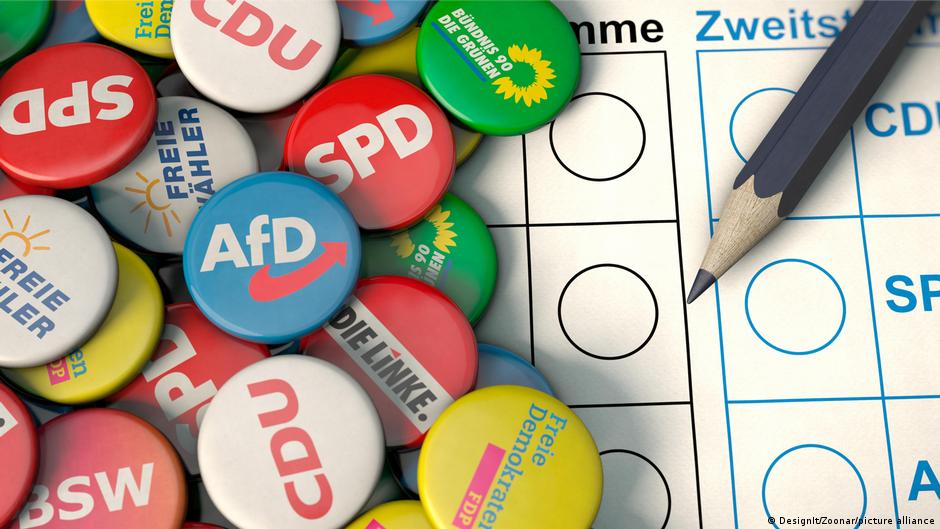
AfD won Saxony-Anhalt with 43.8 percent, but coalition arithmetic leaves BSW, the CDU and minority-government scenarios at the center of the next phase.

Germany’s conservative CDU/CSU block falls to 20% support, while far-right AfD leads at 28%, signaling strategic shifts ahead of regional elections.

A Kremlin-linked bot network launched a disinformation campaign in eastern Germany aimed at influencing regional election outcomes by spreading fake media content.

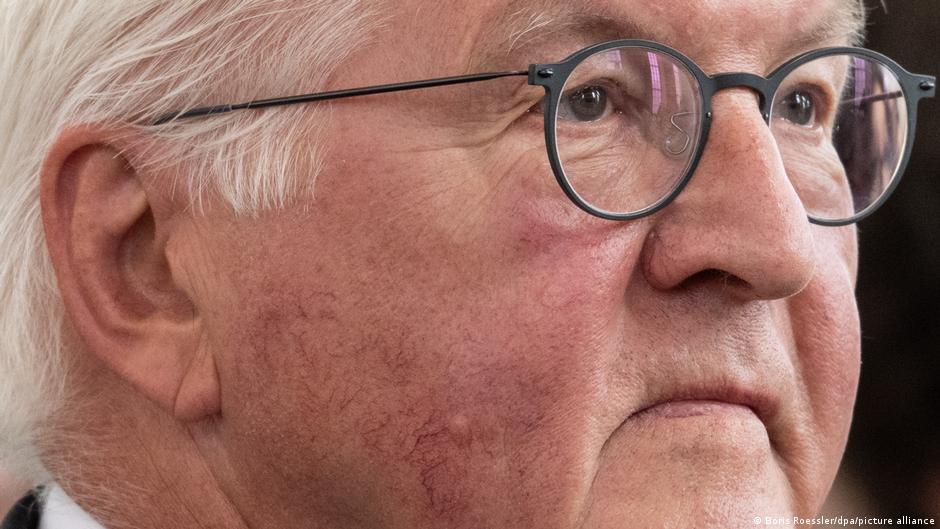
German President Steinmeier calls for Europe to respond firmly to geopolitical challenges from Russia and the US, highlighting social reforms and democratic resilience amid rising far-right support.

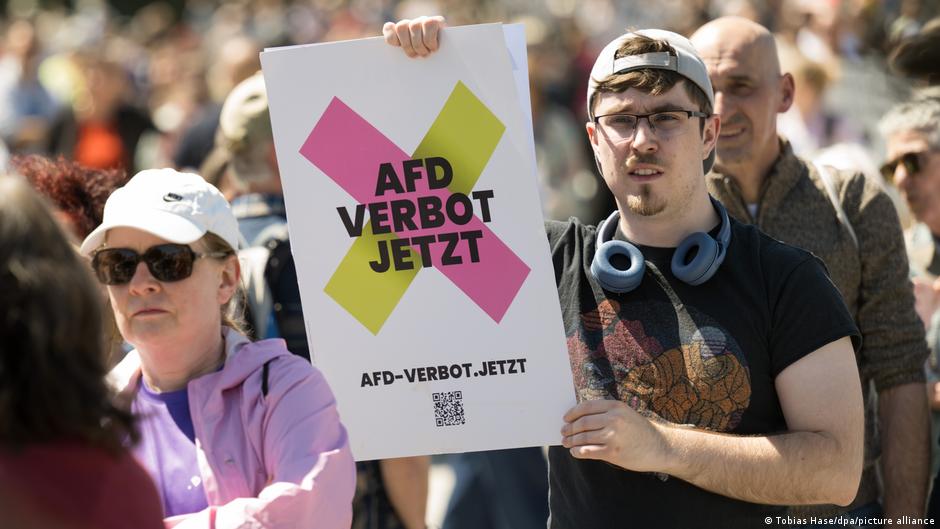
A recent Insa poll shows 45% of Germans oppose banning the far-right AfD party despite its lead over CDU/CSU, highlighting political divisions and implications for Germany's corporate landscape.

Ksenia Fedorova, former head of RT France, continues her pro-Kremlin media work on the conservative French channel CNews, highlighting strategic corporate and political ties in French broadcasting.

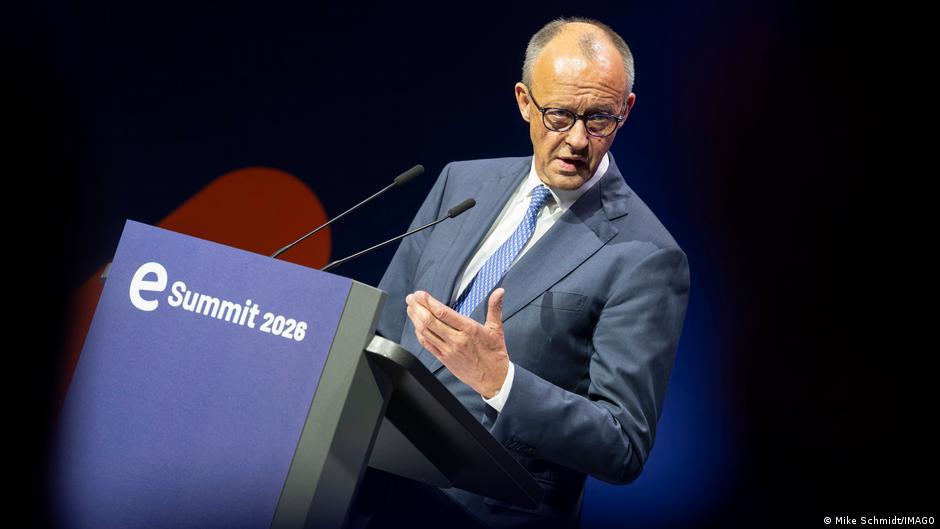
Chancellor Friedrich Merz's team denies rumors of early leadership change, calling them baseless amid low government approval and internal CDU speculation.

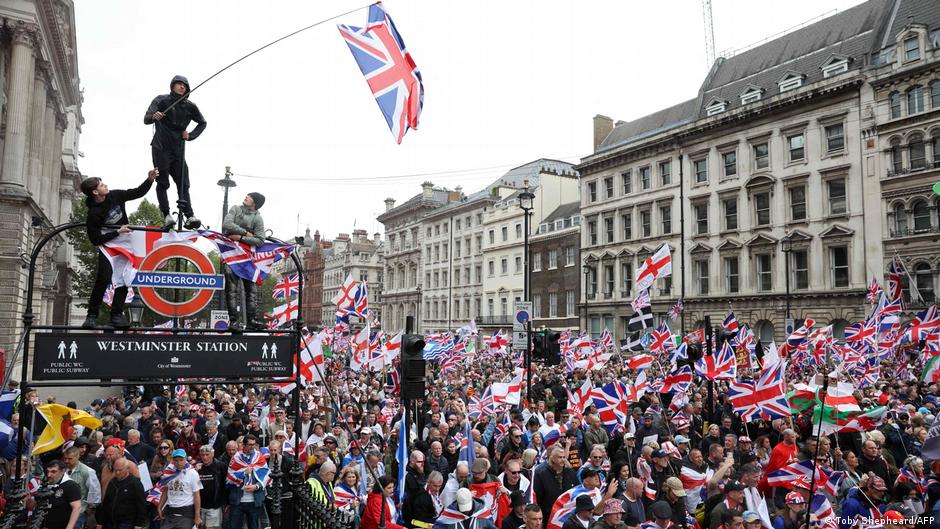
London hosted simultaneous far-right and pro-Palestinian rallies drawing tens of thousands, highlighting political divisions and raising security concerns during nationwide demonstrations.

Jean-Luc Mélenchon has confirmed his candidacy for France's 2027 presidential election, setting the stage for a pivotal left-right political contest in a post-Macron era.