Russia Authorizes Sale of Lower-Grade Fuels Until 2027 Amid Energy Crisis
Russia authorizes sale of lower-grade Euro-2 to Euro-4 fuels until mid-2027, responding to refinery disruptions with a temporary, crisis-driven policy shift.

Russia authorizes sale of lower-grade Euro-2 to Euro-4 fuels until mid-2027, responding to refinery disruptions with a temporary, crisis-driven policy shift.

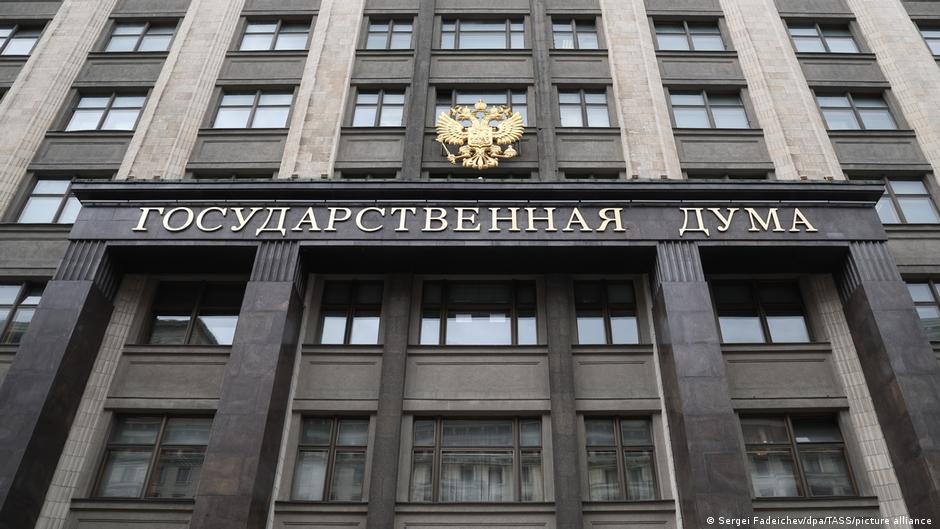
The Russian State Duma has amended tax laws to refine the fuel dampener system and import compensation, aiming to stabilize domestic fuel prices and supplies amid sector disruptions.

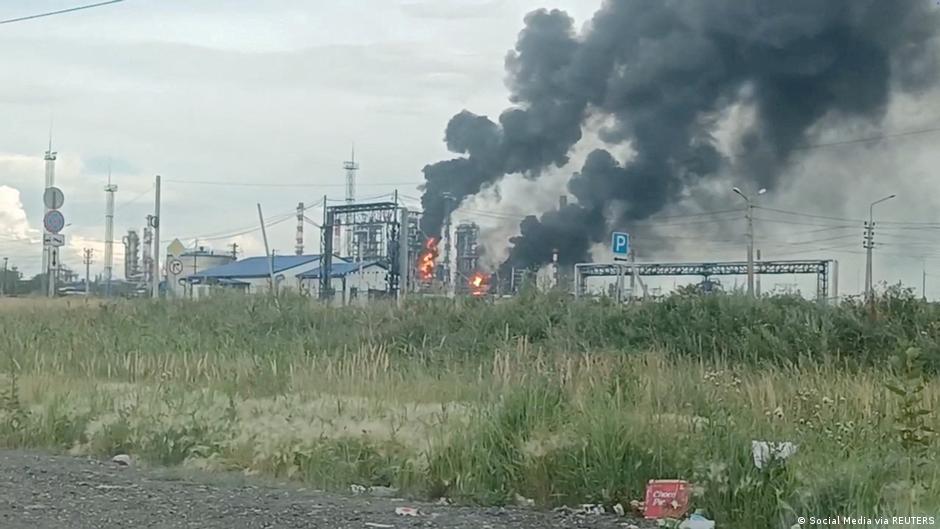
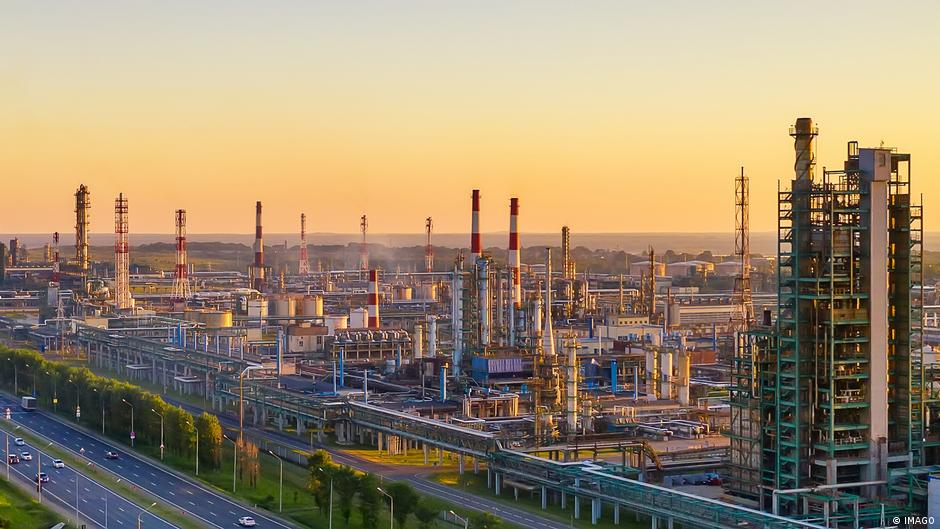
Ukraine’s drone attacks have forced the Saratov oil refinery to halt operations, deepening Russia’s fuel shortage and prompting regional sales restrictions.

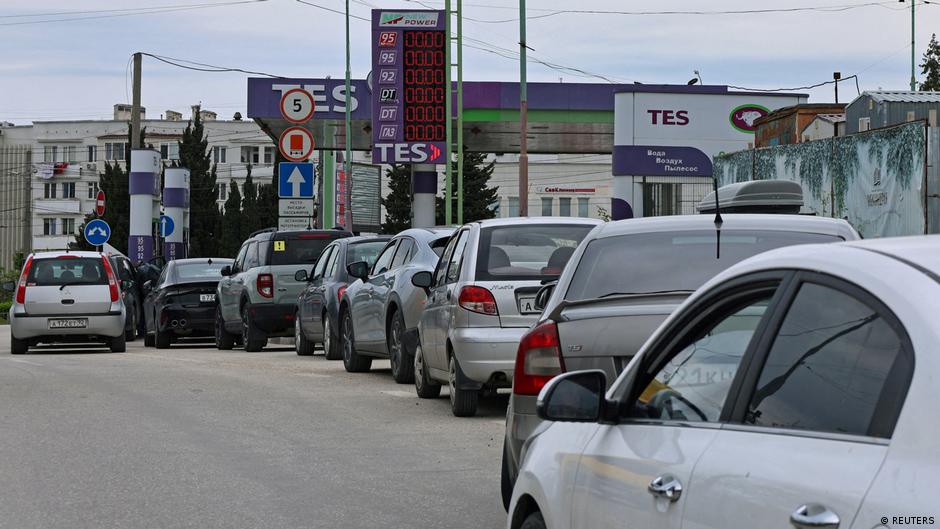
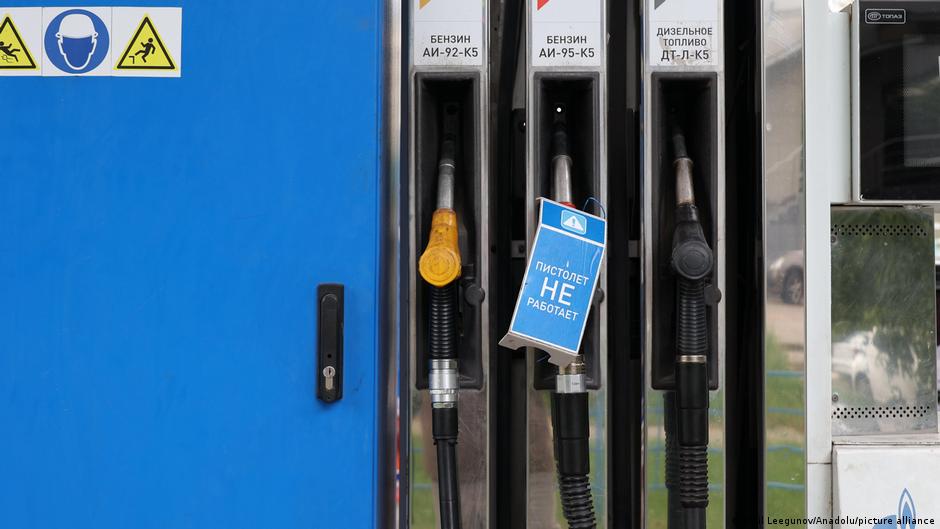
Gasoline prices in annexed Crimea surged 78.4% in early July amid Russia’s fuel shortages, export bans, and increased imports, signaling severe supply challenges.

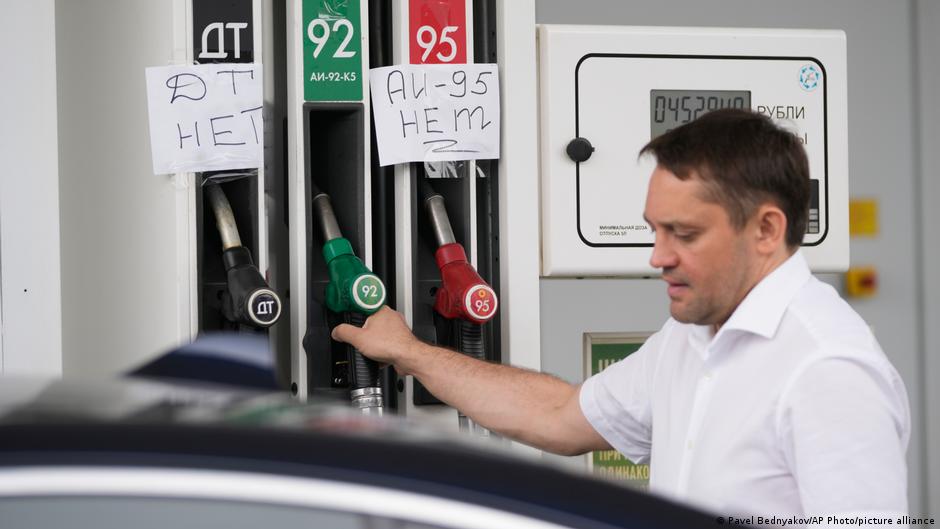
Russia allows production and sale of Euro-3 gasoline and diesel until end of 2026 to ease fuel shortages caused by attacks on refineries, excluding exports to EAEU states.

Russia’s aviation fuel imports from Belarus surged nearly fourfold in May 2026, reflecting challenges in domestic production and prompting strategic shifts in fuel sourcing amid refinery disruptions.

Russia plans to limit diesel and aviation kerosene exports temporarily amid refinery disruptions caused by repeated drone attacks, aiming to stabilize the domestic fuel market.

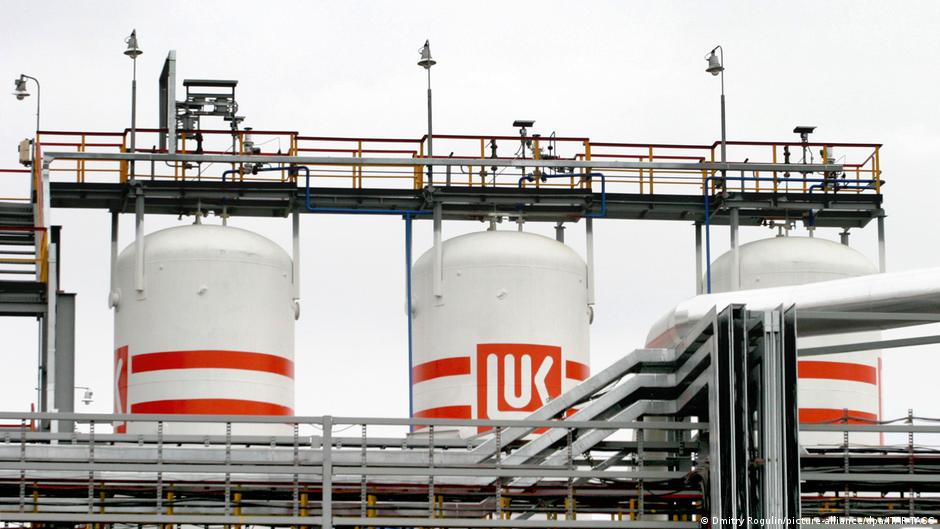
Lukoil's Nizhny Novgorod refinery halted over half its capacity after Ukrainian drone attacks, marking a significant blow to Russia's refining sector and fuel supply.