Berlin Election Puts Housing Strategy and Coalition Risk at Center Stage
The Left Party’s Berlin win raises business questions over housing expropriation, coalition stability and the city’s governing strategy.

The Left Party’s Berlin win raises business questions over housing expropriation, coalition stability and the city’s governing strategy.

Russian attacks killed four people and damaged civilian, administrative and warehouse infrastructure across several Ukrainian regions.

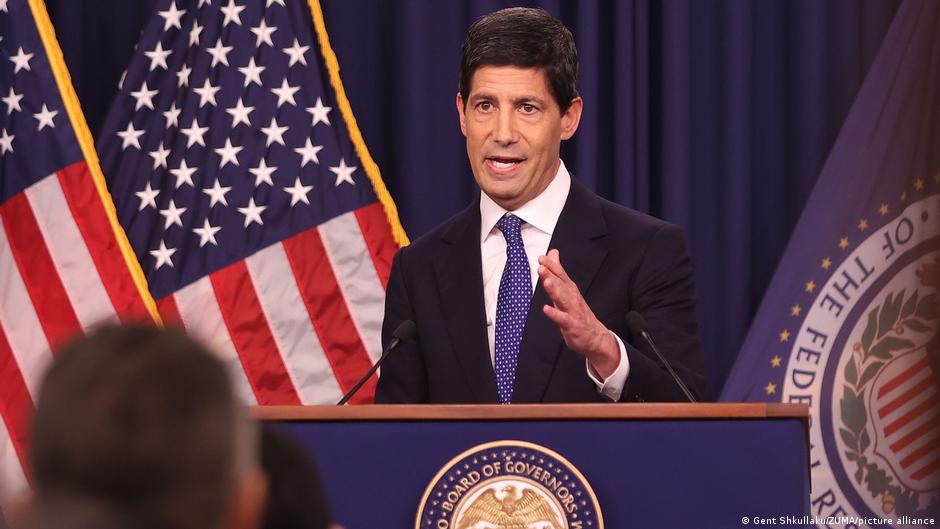
The Fed raised rates to 3.75%-4%, signaling a shift in policy that could reshape borrowing, M&A activity and corporate strategy.

Russian strikes injured civilians and damaged offices, warehouses, homes and public assets, highlighting business continuity risks in Ukraine.

Russian strikes hit logistics, warehouse and energy assets in Odesa, Kyiv region and Mykolaiv, injuring two people and disrupting infrastructure.

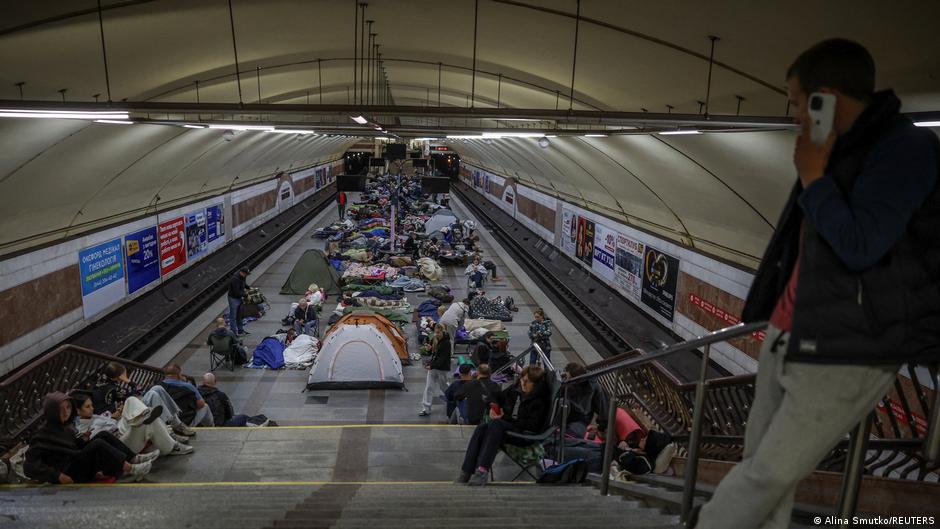
Russian strikes on Kyiv and nearby districts damaged homes, vehicles, industrial sites and logistics assets as talks involving Ukraine, the U.S. and Russia were discussed.

Jay Clayton confirmed as U.S. Director of National Intelligence despite limited intelligence experience, amid bipartisan division and ongoing structural changes in the intelligence community.

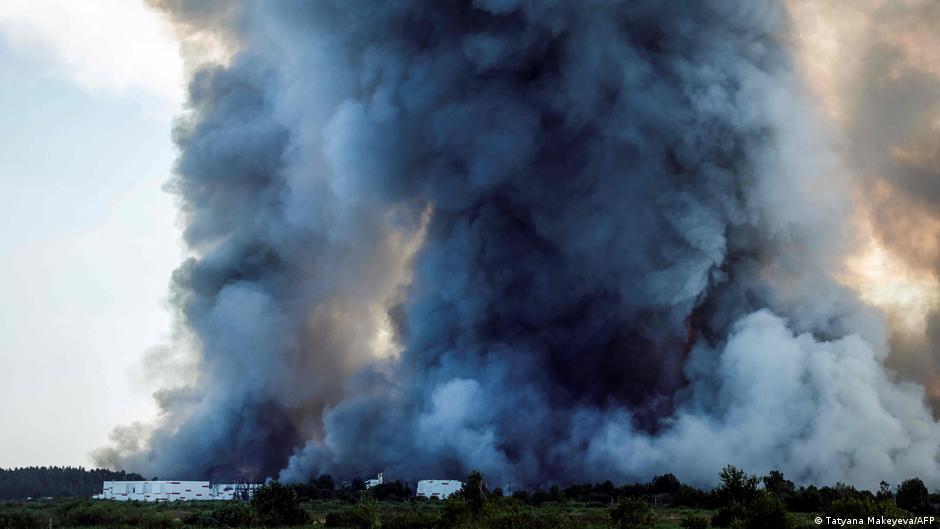
Wildberries faces coordinated attacks on warehouses in Russia and Crimea, disrupting logistics and challenging the company’s operational resilience amid geopolitical tensions.

Russian forces executed coordinated missile and drone strikes on Kyiv and Kharkiv, causing casualties and damaging key infrastructure, impacting business continuity in Ukraine.

The Communist Party of Austria solidified its leading position in Graz’s municipal elections, leveraging pragmatic housing policies and moderate discourse amid a complex political landscape.

A drone crashed into a luxury residential building on Mosfilmovskaya Street, causing facade and window damage but no injuries, while Moscow air defenses intercepted two more drones.

CEO pay in Germany's largest firms has surged 56% since 2019, while worker wages remain below pre-pandemic levels, fueling growing income inequality amid inflation and global challenges.