Rising CEO Salaries in Germany Highlight Growing Income Disparities Amid Inflation Pressures
Executive pay in Germany's DAX 40 companies surged 56% since 2019, while average employee wages remain below pre-pandemic levels, intensifying income inequality.
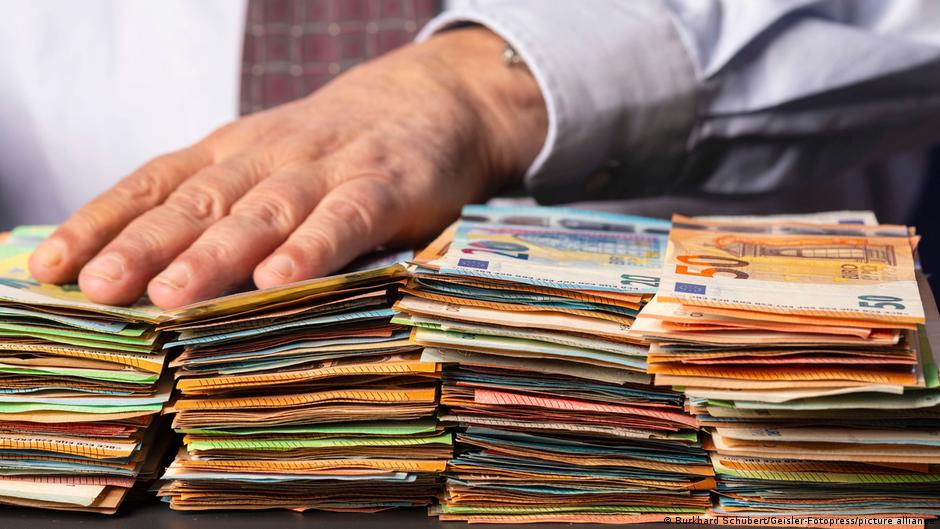
Income inequality in Germany continues to widen, driven by a sharp rise in executive compensation at major corporations. According to a recent analysis by Oxfam, the salaries of 25 CEOs from companies listed in the DAX 40 index increased by 56% compared to 2019 levels. In contrast, wages for ordinary workers in Germany have not yet recovered to their pre-pandemic benchmarks when adjusted for inflation.
CEO Compensation Soars Amid Stagnant Worker Wages
Globally, CEO pay has risen by 54% from 2019 through 2025, after inflation adjustments, climbing from an average of $5.5 million (4.7 million euros) to $8.4 million (7.1 million euros) annually. For the average employee, earning an equivalent amount would require nearly 490 years of continuous work. Meanwhile, real wages for typical workers have fallen roughly 12% in this period.
In Germany specifically, the gap mirrors this trend. CEO compensation among the largest 25 companies in the DAX 40 has increased from approximately €4.5 million to nearly €7 million on average. This stark divergence highlights a growing disconnect between corporate leadership remuneration and the economic realities faced by the broader workforce.
“This growing inequality poses a threat to our democracy,” Oxfam stated, emphasizing the socio-economic risks of such disparities.
The current inflationary surge in Germany adds further strain on households’ purchasing power, which remains below 2019 levels. While many families struggle with rising costs for energy, housing, and food, executive paychecks continue to escalate rapidly, widening social divides.
Taxation and Policy Recommendations to Address Inequality
Oxfam’s report also highlights that nearly 1,000 billionaires analyzed globally received a combined total of $79 billion (67 billion euros) in dividends in 2025. Moreover, billionaires often benefit from tax policies that result in lower effective tax rates than those paid by ordinary employees.
In response, Oxfam urges policymakers in Berlin to promote higher taxation on the ultra-wealthy at both national and international levels. Additional measures recommended include introducing a minimum wage of at least €15 per hour to curb further social disparities and ensure fairer income distribution.
These proposals come as external pressures weigh heavily on the German economy. The Munich-based ifo Institute of Economic Research forecasted in March that the ongoing conflict involving the US and Israel against Iran could reduce Germany’s economic growth by at least 0.2 percentage points.
Escalating geopolitical tensions have led to spikes in oil and gas prices, disrupted supply chains, and increased shipping costs due to the need for German maritime companies to reroute around the Persian Gulf. The broader climate of global uncertainty further dampens economic prospects, underscoring the complex challenges faced by Germany’s corporate and labor sectors alike.