US Gas Proposal Tests Europe’s Energy Strategy and Russian Leverage
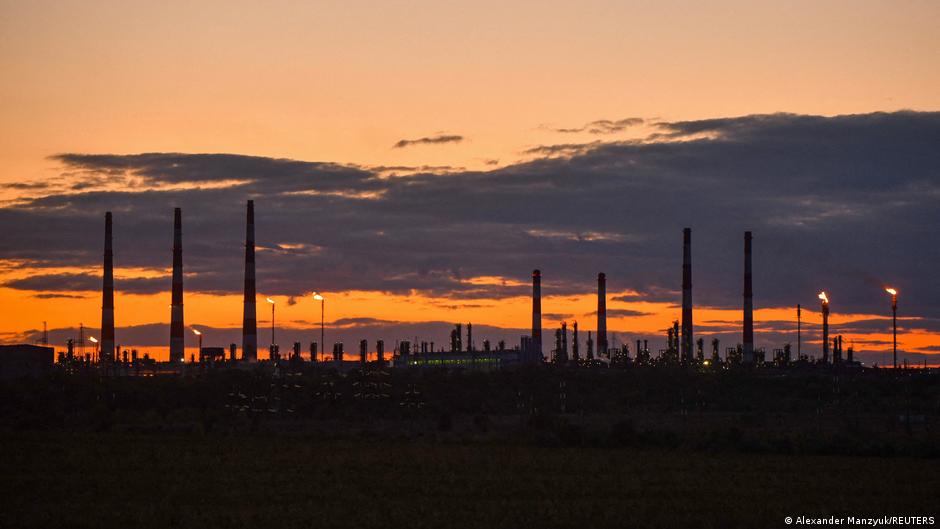
A reported US peace proposal would revive Russian pipeline gas sales to Europe, challenging EU phaseout rules and reshaping energy competition.

A reported US peace proposal would revive Russian pipeline gas sales to Europe, challenging EU phaseout rules and reshaping energy competition.

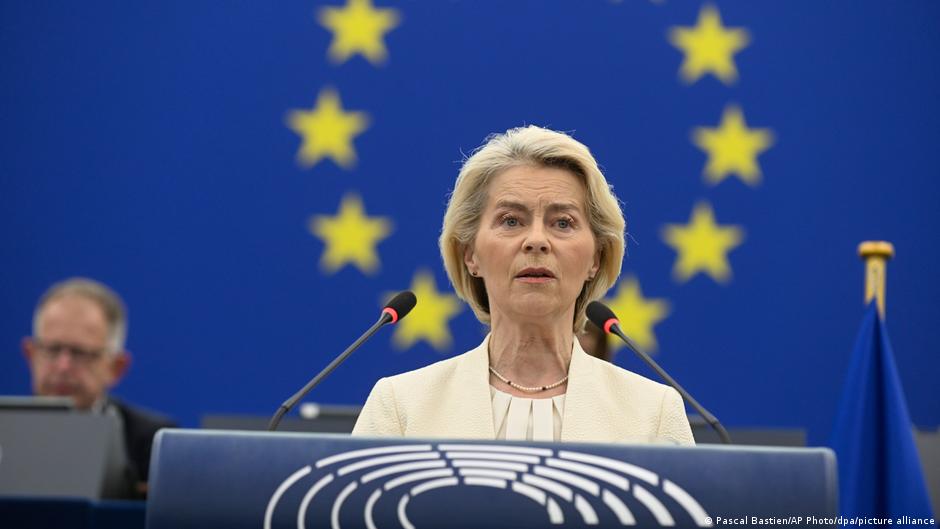
The EU plans new drone and missile funding for Ukraine as leaders discuss financing, accession talks and long-term support strategy.

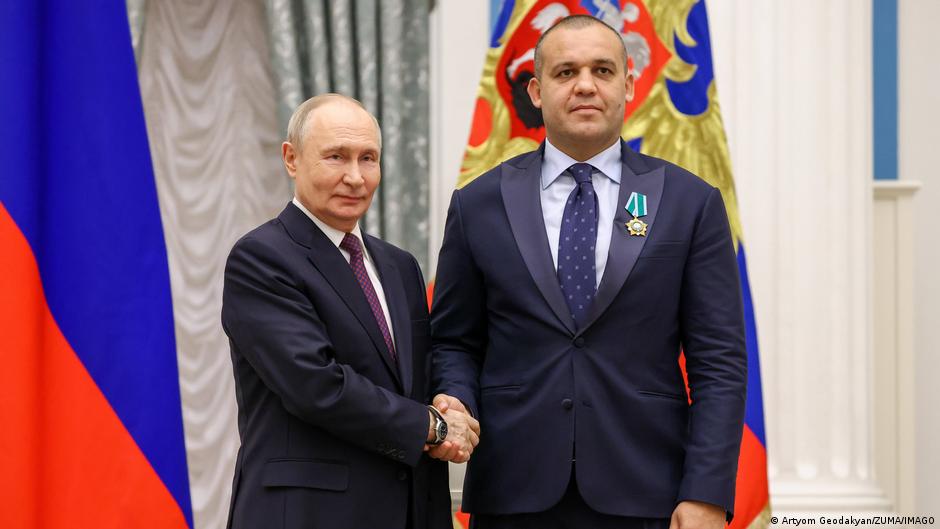
Umar Kremlev says Donald Trump Jr. repaid costs linked to wedding festivities, keeping scrutiny on private ties and political risk.

Flávio Bolsonaro leads Brazil’s first-round presidential vote, setting up an October 25 runoff with Lula and raising business risk questions.

The EU’s €710 million aid package highlights Africa, migration, Ukraine and crisis response as strategic priorities for Brussels.

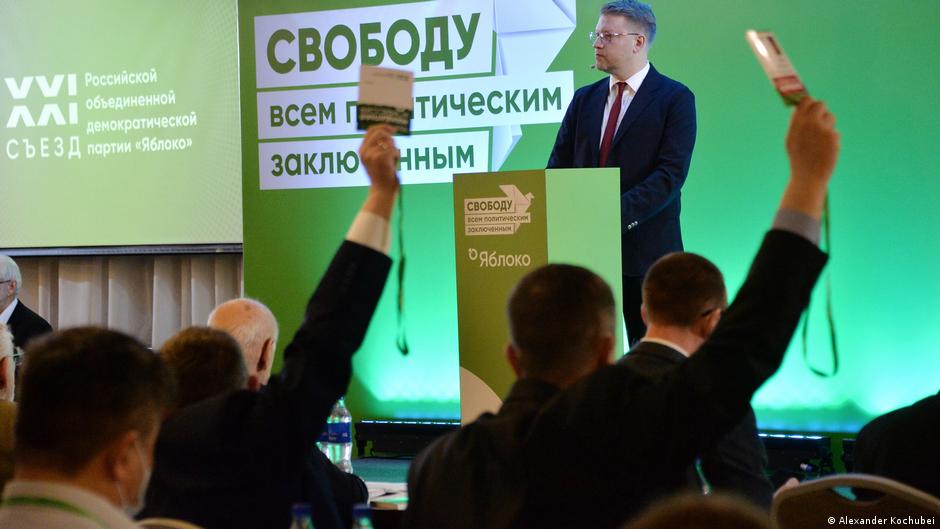
Yabloko’s 6.2% Novgorod result secures regional representation and preserves a key route into future State Duma elections.

U.S. prosecutors allege a Russian state-linked network financed attacks and plotted killings, raising wider geopolitical risk concerns.

The House cleared debate on a Graham sanctions bill that could impose 100% tariffs on major buyers of Russian oil and gas.

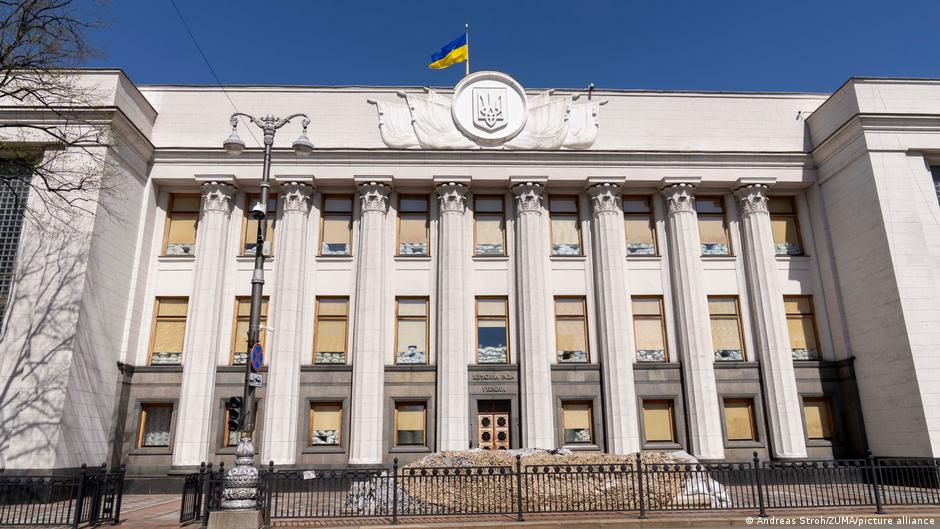
Ukraine’s parliament will consider seven difficult bills tied to Western aid as Kyiv seeks to close a major defense budget gap.

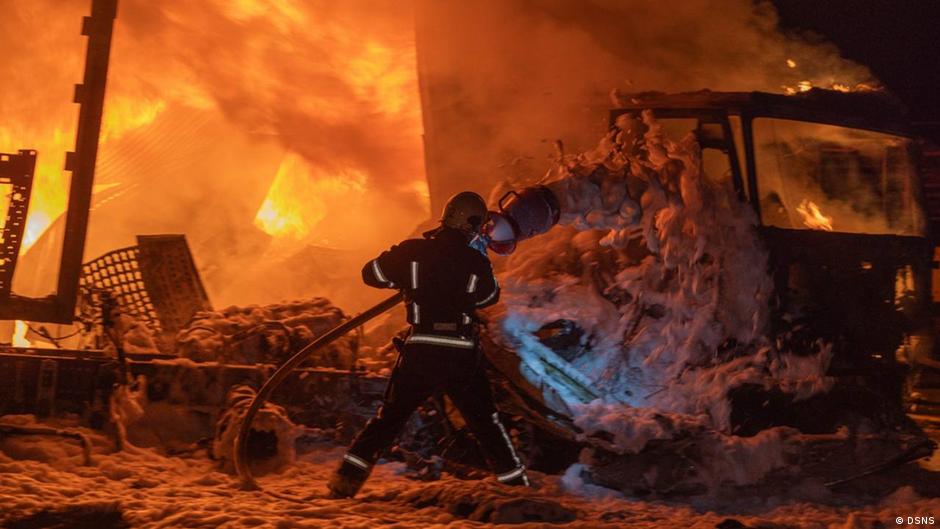
Russian attacks on Sumy and Mykolaiv killed civilians, wounded dozens and damaged retail, port, warehouse and postal infrastructure.

Norway’s seizure of the Professor Molchanov gives Naftogaz fresh leverage in its campaign to enforce a $5 billion award over expropriated Crimean assets.

Uzbekistan has overhauled tax, licensing and business protections since 2016, reshaping market entry, compliance costs and the wider corporate environment.

Washington reportedly told Moscow not to expect sanctions relief or wider economic deals before the war in Ukraine ends, reinforcing a hard-line policy stance.

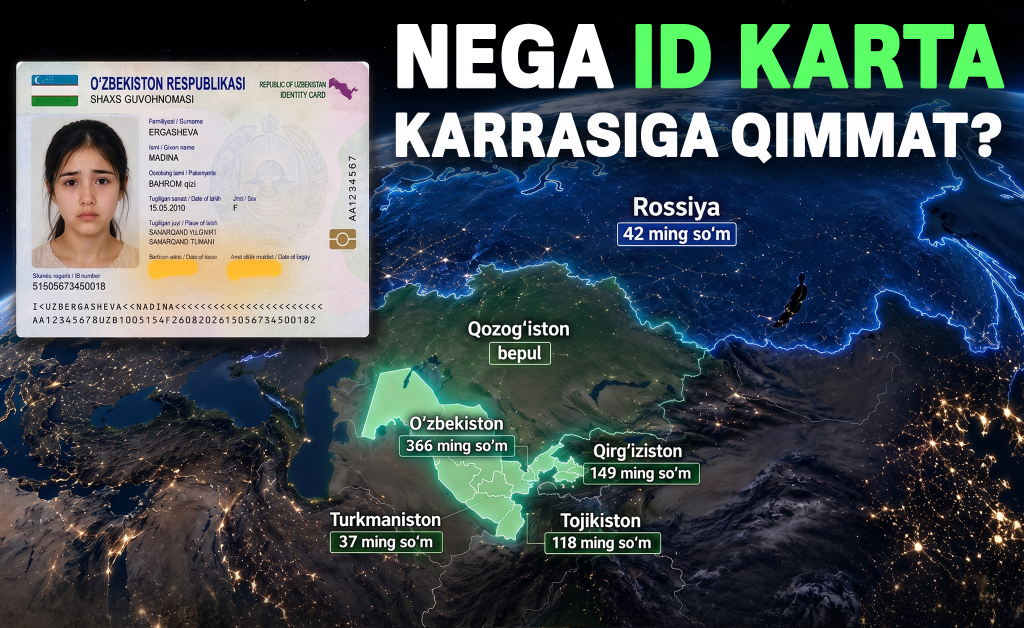
A social-media outcry over Uzbekistan's first ID card fee has widened into a policy test as regional peers charge less or waive first-time issuance.

Uzbekistan’s state announces auction of 100% stake in 'Fonon' jewelry plant, priced at 316.7 billion UZS, amid ongoing financial restructuring and significant debt obligations.

Meta’s $18 billion settlement requires sweeping child-safety changes on Facebook and Instagram, but success depends on flawed age-verification technologies and strategic industry positioning.

Russia is reportedly orchestrating covert sabotage on European defense plants using criminal networks, testing NATO's response limits without triggering collective defense actions.

Humo payment system tripled its net profit to 410.9 billion UZS in H1 2026, maintaining strong margins despite losing IT Park tax benefits.
Uzbekistan launches unified digital platforms and national navigation system while expanding IT sector incentives to enhance competitiveness and digital governance.

The Russian State Duma has amended tax laws to refine the fuel dampener system and import compensation, aiming to stabilize domestic fuel prices and supplies amid sector disruptions.

Two German brothers admitted to breaching EU sanctions by routing machine component shipments through shell companies in Kyrgyzstan and Turkey to Russia.

The UN faces a financial crisis due to delayed payments from the US and China, forcing cutbacks and operational restructuring amid governance constraints.

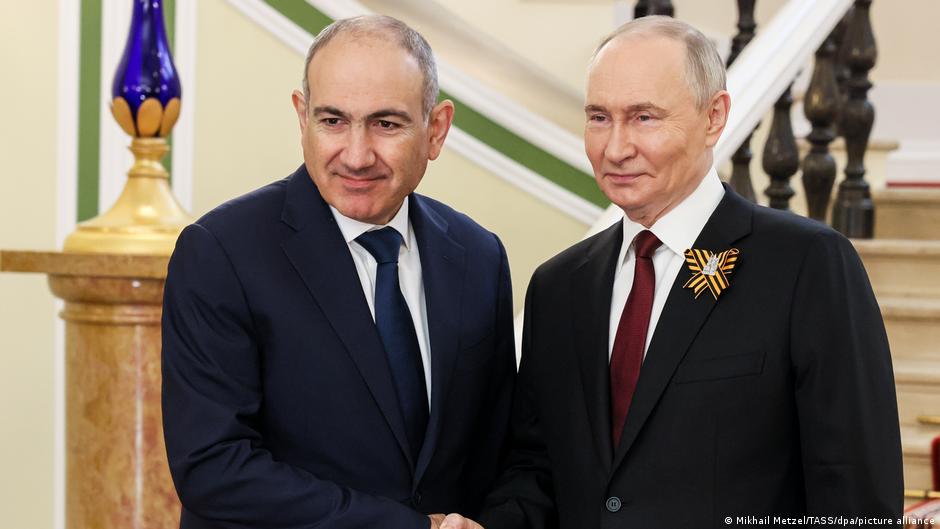
Russia threatens to suspend duty-free gas and oil supplies to Armenia as Yerevan pursues closer ties with the EU, risking critical energy and trade cooperation.

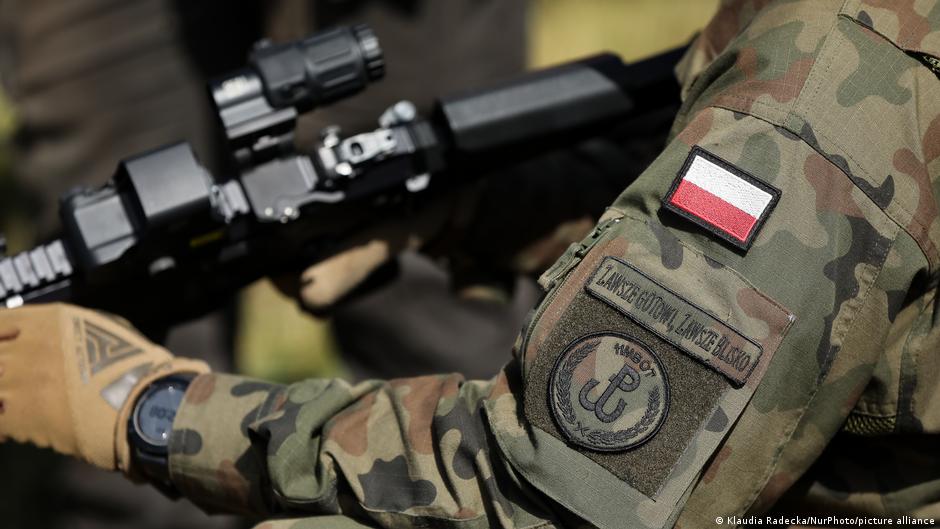
Poland secures a €44 billion EU loan under the SAFE program, marking a major investment to modernize its defense industry despite presidential opposition.

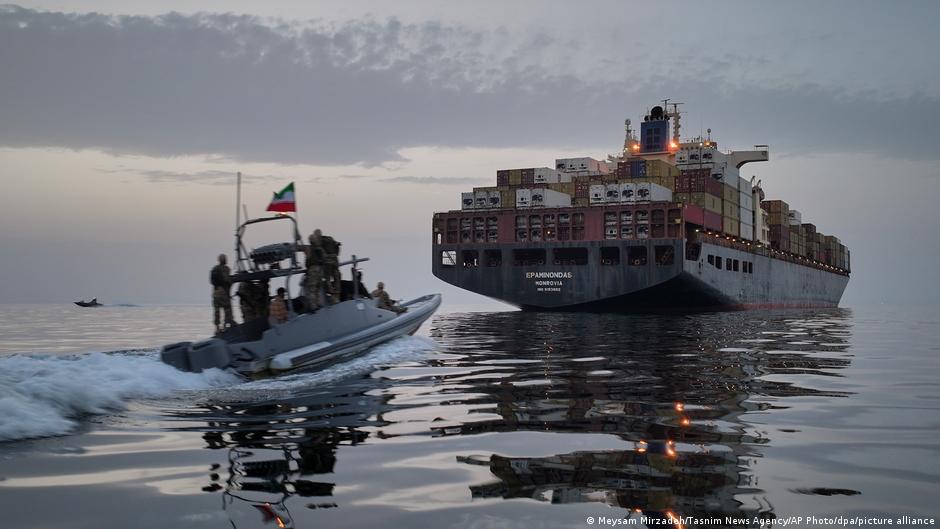
Iran mandates detailed vessel data for tankers in the Strait of Hormuz, raising strategic and compliance challenges amid U.S.-Iran tensions and possible transit fees.

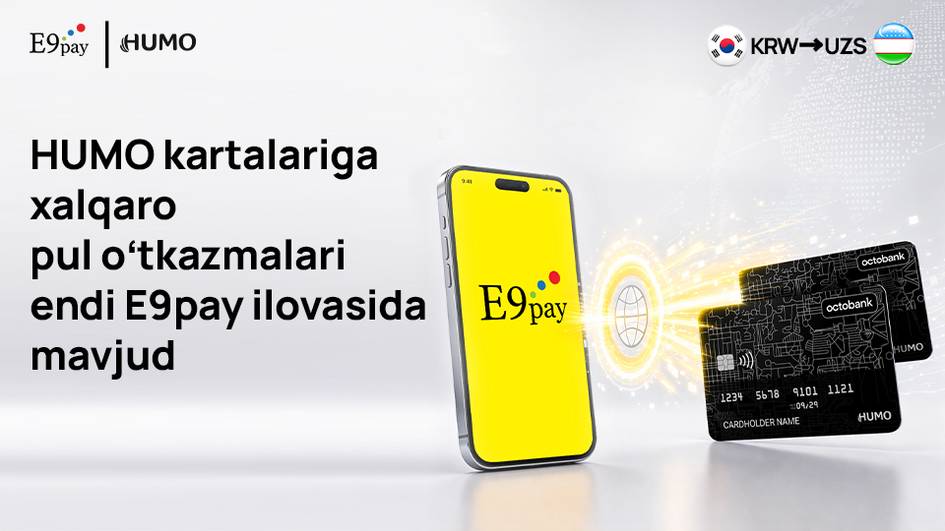
Octobank launches E9PAY-enabled money transfers to South Korean HUMO cards, enhancing cross-border payment options and strengthening international financial services.

Paynet leads Uzbek payment firms with a 313.7% profit surge in Q1 2026, driven by strategic acquisition and dividend inflow, while Payme and Click post steady growth.

Uzbek banks expanded their credit portfolios by 19.3 trillion UZS in Q1 2026, while non-performing loans rose by 1.8 trillion UZS, mainly driven by state-owned banks amid evolving risk challenges.

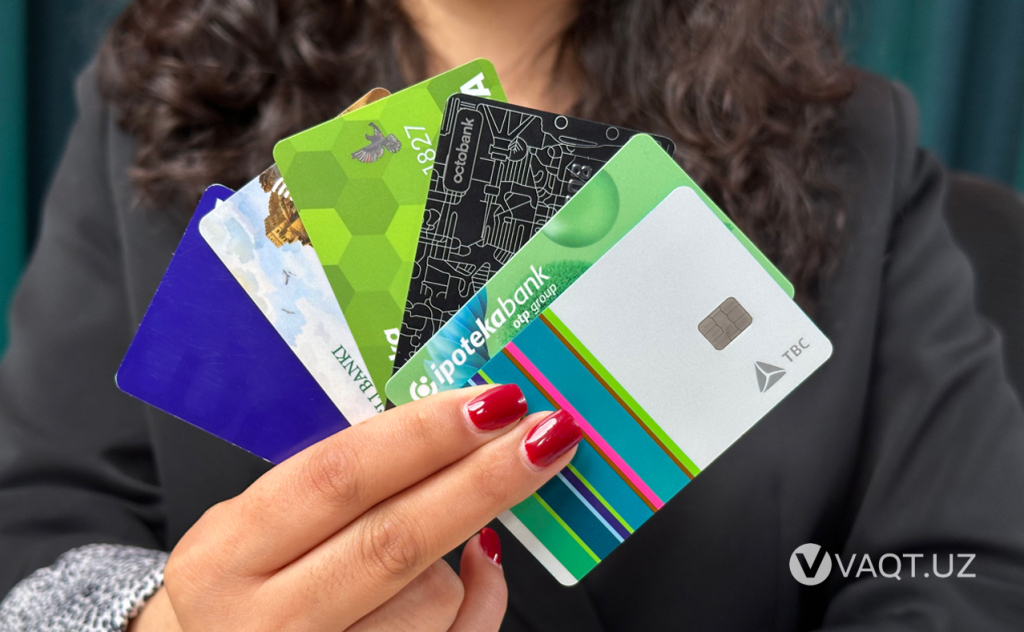
Uzbek banks must now retain a minimum balance of 1.236 million UZS on client cards during automatic debt repayments, preventing complete fund depletion.

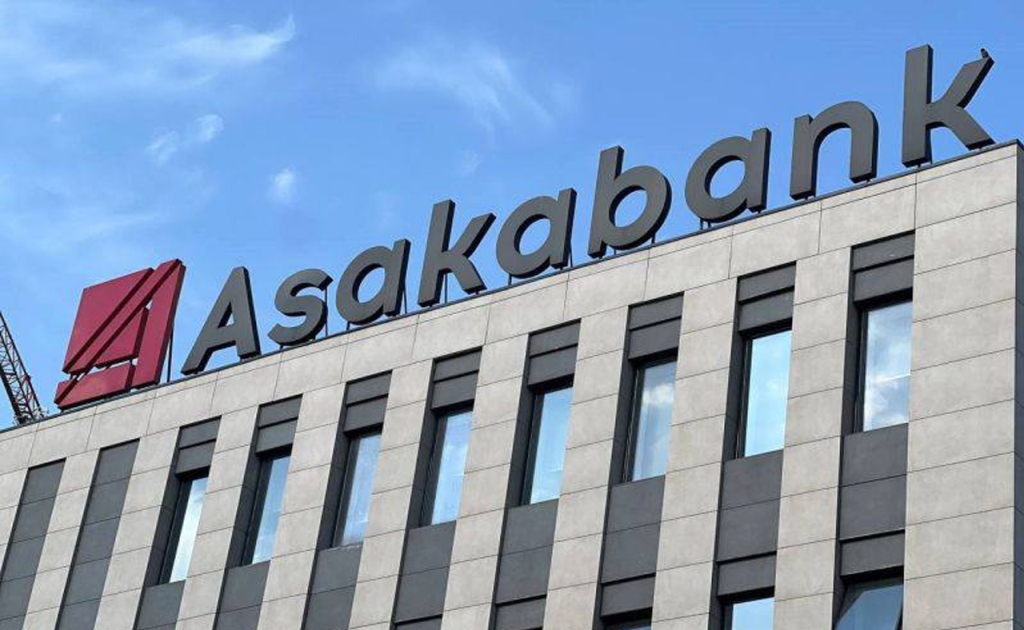
Uzbekistan accelerates Asakabank privatization, transferring assets and securing state capital to enhance the bank's market viability and strategic competitiveness.

Tencent and key investors acquire a major stake in Kaspi.kz, advancing the fintech firm’s strategic growth and regional expansion with enhanced capital and expertise.