UN Faces Financial Crisis Amid Delayed Payments from US and China Impacting Global Operations
The United Nations struggles with a budget shortfall as major contributors delay payments, prompting urgent cost-cutting and operational restructuring.
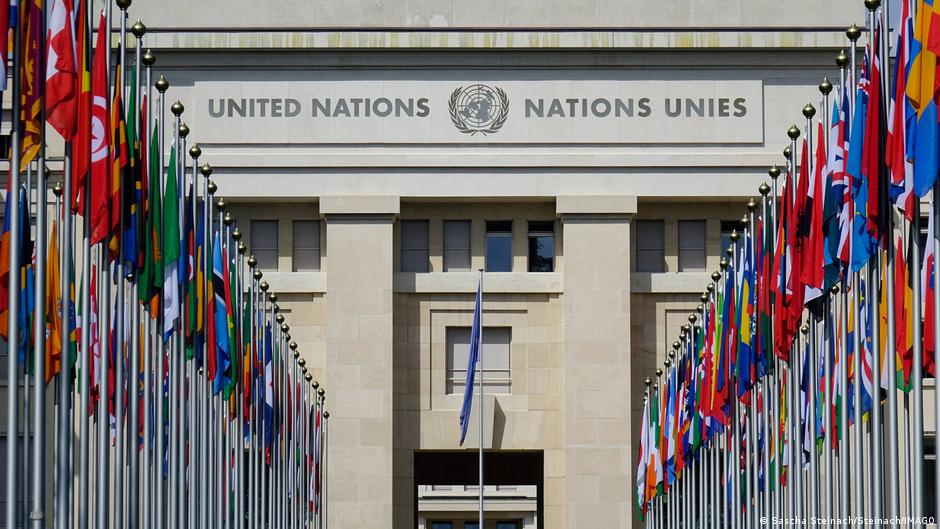
The United Nations (UN) is on the brink of a financial crisis due to delayed payments from its two largest contributors, the United States and China, which together account for 42% of the organization's budget. This shortfall threatens the UN's ability to maintain its global operations and forces unprecedented cost-cutting measures.
Financial Strain and Strategic Impact
According to recent reports, the United States owes the UN more than $4 billion. Meanwhile, despite a partial payment of nearly $850 million during Chinese Foreign Minister Wang Yi's visit to the UN headquarters in New York, China still owes approximately $455 million. China continues to assert its commitment as a key financial backer, describing itself as the "de facto main sponsor" of the organization.
The US government has linked its future financial contributions to the implementation of significant spending cuts within the UN. Proposed measures include reducing workforce headcount, limiting business-class flights, and increasing the use of machine translation to lower costs.
Additional major donors such as Germany and the United Kingdom have also reduced funding for critical humanitarian programs addressing hunger and disease. Political shifts toward the right in countries like Sweden and the Netherlands have further constrained contributions, exacerbating the funding gap.
UN Secretary-General António Guterres warned in October 2023 that the organization was "on a fast track to bankruptcy," highlighting a "very real prospect of financial collapse."
The financial dilemma is expected to become acute by mid-August, when the UN's funds may be depleted. This looming crisis coincides with the upcoming appointment process for the next UN Secretary-General, whose selection is scheduled by the end of 2026.
Cost-Cutting Measures and Operational Challenges
In response to the budget shortfall, the UN has undertaken sweeping expense reductions. Notably, the secretariat has cut a record 3,000 positions and shuttered several offices. Other austerity efforts include reducing translator shifts, disabling escalators in its New York headquarters, and postponing maintenance work on the building's facade.
Peacekeeping operations have also been scaled back. Troop withdrawals from conflict zones in Africa have been accelerated, and payments to less wealthy nations providing personnel—such as Nepal and Bangladesh—have been deferred. These cutbacks threaten the UN's capacity to maintain stability in critical regions.
One of the organization's structural challenges is its inability to borrow funds. Moreover, the UN leadership faces limited authority in restructuring activities or personnel, with salaries representing roughly 70% of total expenses. Efforts to save relatively small amounts, like closing a secured entrance to the headquarters, have met resistance from diplomats, illustrating the difficulties in implementing reforms.
These financial and governance constraints highlight the complex strategic environment in which the UN operates. The delays in payments from key member states not only jeopardize ongoing programs but also raise questions about the organization's future management and strategic direction.