Russia Threatens Armenia with Gas Supply Suspension Amid EU Integration Moves
Moscow signals potential halt to duty-free gas and oil exports as Armenia deepens ties with the European Union.
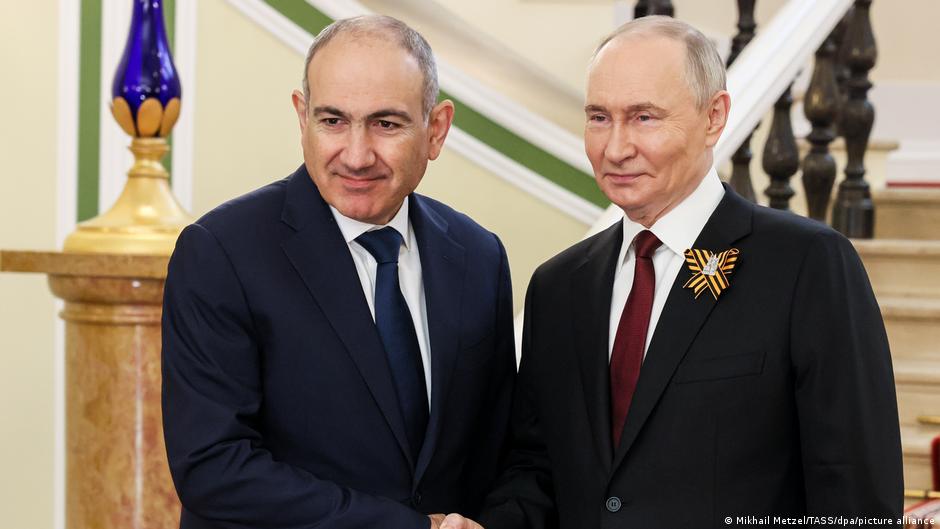
The recent intensification of Armenia's rapprochement with the European Union poses a significant risk to its longstanding trade and economic cooperation with Russia. According to a letter from Russian Energy Minister Sergey Tsivilev to Armenia's Ministry of Territorial Administration and Infrastructure, Russia may suspend or terminate its duty-free supply agreements on gas, petroleum products, and rough diamonds if Armenia continues on its path toward EU integration.
Strategic Implications for Armenia's Energy Security
The duty-free trade regime for these key commodities has been in place since December 2013, underpinning bilateral economic relations and energy security for Armenia. The agreement permits Russia to supply Armenia with petroleum products and gas volumes aligned with Armenia's domestic consumption targets, while explicitly prohibiting re-export to third countries. However, the Russian government now deems the continuation of this arrangement "impossible," citing Armenia's deepening cooperation with the EU and declared aspirations to join the bloc.
"The ongoing concrete steps to deepen Armenia's engagement with the European Union and the government's declared ambition to join the EU jeopardize the preservation and development of the fundamentally high Russian-Armenian trade, economic, and investment cooperation," the letter states.
This shift reflects broader geopolitical tensions as Russia perceives its strategic interests threatened by Armenia's pivot towards the EU. The 2013 agreement also stipulates that if either party terminates the deal, Armenia must honor existing financial obligations to Russia, possibly recognizing unpaid sums as sovereign debt until full repayment.
Economic Dependence and Potential Risks
Currently, Armenia is critically dependent on Russian energy supplies, with a near-total reliance on Russian natural gas and a majority share of petroleum products imported from Russia. This dependence makes any disruption in supplies potentially destabilizing for Armenia's energy market and broader economy.
In addition to energy supply risks, Russian authorities have hinted at possible curtailments of other bilateral privileges. On May 26, Russian State Duma Deputy Speaker Pyotr Tolstoy warned that simplified migration regimes for Armenian citizens, including extended stays without registration and eased employment conditions in Russia, may be revoked if Armenia loses its status as a strategic Russian ally.
Earlier in May, Russia imposed restrictions on imports of certain Armenian goods, including select wines, brandies, fruits, vegetables, and flowers, signaling a broader economic pressure campaign linked to geopolitical alignment.
Outlook and Strategic Decisions
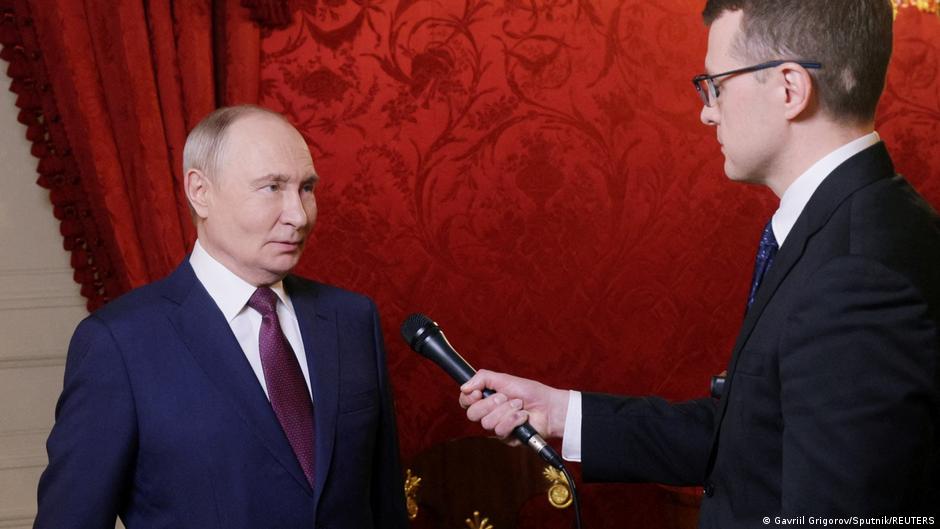
Russian President Vladimir Putin’s statement on May 9 underscored Moscow’s demand for Armenia to clarify its participation choice between the EU and the Eurasian Economic Union (EAEU). Putin indicated that depending on Armenia’s decision, Russia would pursue a "soft, intelligent, and mutually beneficial divorce," highlighting the gravity of the situation for bilateral relations.
At the time of reporting, Armenian government agencies, including the Ministry of Territorial Administration and Infrastructure and the Prime Minister's office, had not commented on the letter or potential repercussions.
This development places Armenia at a critical crossroads. Decision-makers face the challenge of balancing geopolitical ambitions for EU integration against the pragmatic realities of economic dependence on Russia. The unfolding scenario will significantly impact Armenia’s corporate and energy sectors, national economic stability, and the broader competitive landscape of regional trade partnerships.