Greens Hold Key Lower Saxony Cities as AfD Loses Runoffs
Lower Saxony’s runoffs showed strong local incumbency, Green urban gains and the AfD’s limited ability to turn vote share into executive power.

Lower Saxony’s runoffs showed strong local incumbency, Green urban gains and the AfD’s limited ability to turn vote share into executive power.

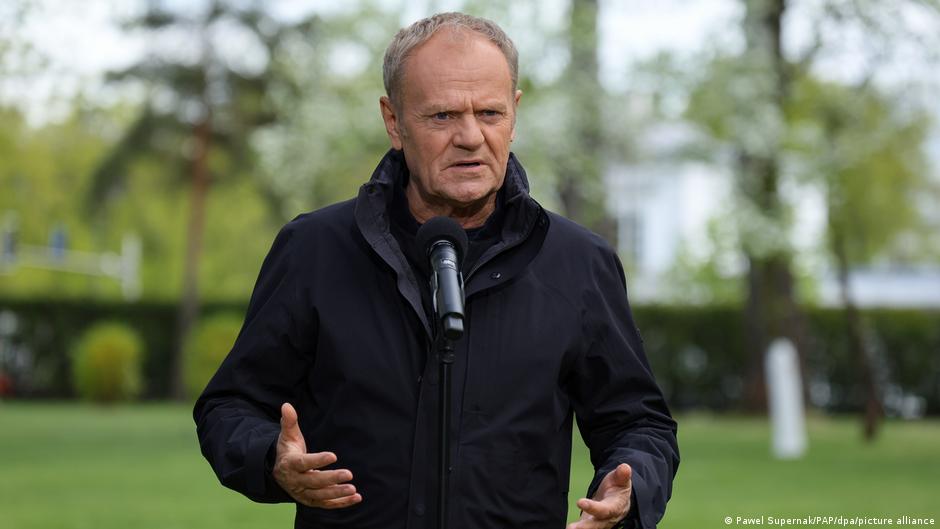
Daniel Peters resigned after the CDU won 4.9% in Mecklenburg-Western Pomerania, missing a state parliament for the first time in German history.

The Left Party’s Berlin win raises business questions over housing expropriation, coalition stability and the city’s governing strategy.

AfD’s projected win in Saxony-Anhalt drew sharp reactions from Poland, Czechia and France, raising questions over coalition strategy in Europe.

AfD won Saxony-Anhalt with 43.8 percent, but coalition arithmetic leaves BSW, the CDU and minority-government scenarios at the center of the next phase.

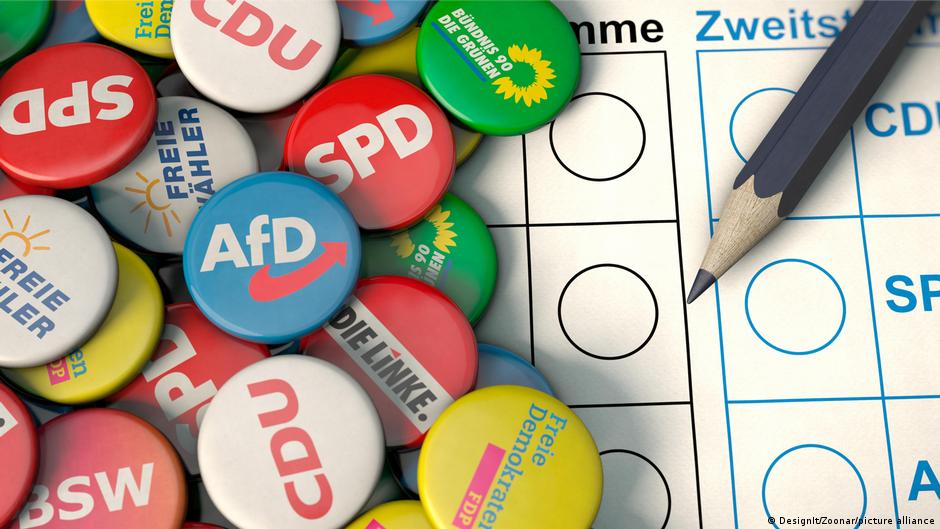
Germany’s conservative CDU/CSU block falls to 20% support, while far-right AfD leads at 28%, signaling strategic shifts ahead of regional elections.

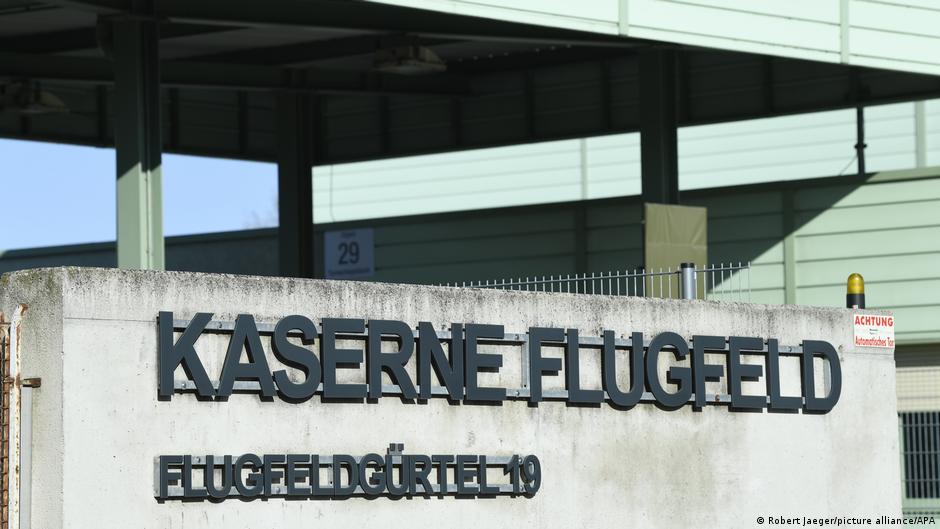
Austria plans to extend mandatory military service to nine months and introduce recurring training to strengthen defense amid increased security threats in Europe.

A recent Insa poll shows 45% of Germans oppose banning the far-right AfD party despite its lead over CDU/CSU, highlighting political divisions and implications for Germany's corporate landscape.

The Communist Party of Austria solidified its leading position in Graz’s municipal elections, leveraging pragmatic housing policies and moderate discourse amid a complex political landscape.

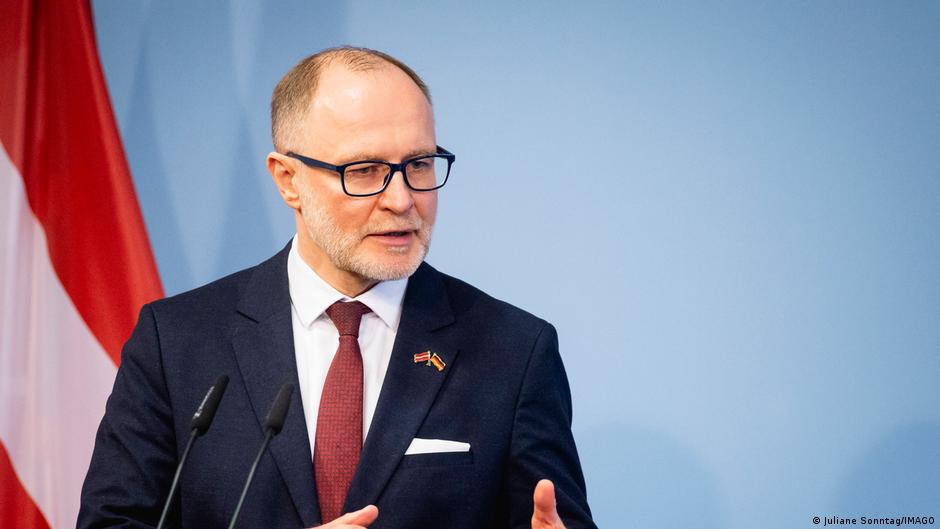
Latvia's ruling coalition collapses following the Defense Minister's resignation after a drone airspace breach, prompting political instability ahead of elections.