Western Criticism Mounts Over Israeli Security Minister's Controversial Video of Detained Activists
Israel faces diplomatic backlash from the EU and US after national security minister publishes video showing restrained pro-Palestinian activists in degrading conditions.
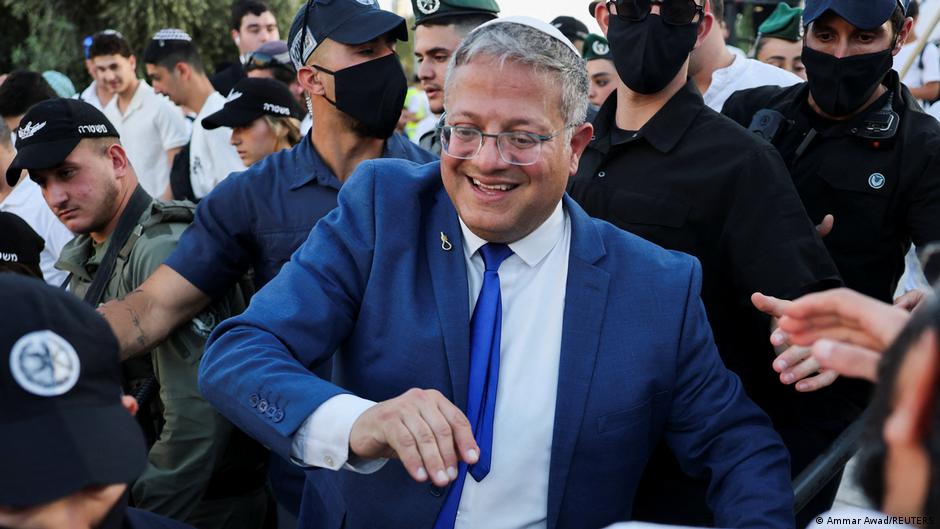
Israel has come under intense international scrutiny following the release of a video by its National Security Minister Itamar Ben-Gvir, depicting detained pro-Palestinian activists of the Sumud flotilla in a humiliating posture. The footage, which shows activists with hands bound and heads bowed, prompted several Western nations to summon Israeli ambassadors in protest.
Diplomatic Fallout and Political Repercussions
The video, shared on the social platform X, shows the activists on their knees at the Ashdod port after being intercepted en route to the Gaza Strip by Israeli naval forces. Ben-Gvir is seen carrying an Israeli flag and shouting, "Welcome to Israel, we are the masters here," while the caption refers to the activists as "terrorism supporters."
This publication sparked immediate condemnation from multiple countries including Italy, France, Canada, the Netherlands, Belgium, and Portugal, all of which summoned Israeli envoys to register their disapproval. Spain also called in Israel's chargé d’affaires due to the absence of an ambassador. The diplomatic protests reflect concerns over the treatment of detainees and the imagery's implications for Israel’s international standing.
Notably, Poland’s Foreign Minister Radosław Sikorski sharply criticized the maltreatment of detainees, some of whom reportedly hold Polish citizenship. He emphasized that "in a democratic world, detainees should not be subjected to cruel treatment or public humiliation," demanding accountability and justice for Polish nationals involved.
"The behavior of Israeli Minister Ben-Gvir is unworthy of any public office holder in a democratic state," stated European Union's High Representative for Foreign Affairs and Security Policy, Kaja Kallas.
The European Union echoed these sentiments, calling Israel's conduct "wholly unacceptable" and urging adherence to international legal standards concerning detainee safety and dignity. EU spokesperson Anuar El-Anuni called for the immediate release of the activists.
In the United States, Ambassador Mike Herzog described the flotilla's attempt to reach Gaza as a "foolish stunt" yet criticized Ben-Gvir’s conduct as diminishing the nation’s dignity. German officials also condemned the minister’s actions, with Foreign Minister Johann Wadephul labeling the incident "totally unacceptable" and inconsistent with shared democratic values.
Internal Israeli Response and Strategic Context
Within Israel, Foreign Minister Gideon Sa’ar publicly reprimanded Ben-Gvir via social media, accusing him of deliberately harming the state’s reputation and undermining the diligent efforts of military and diplomatic personnel. Prime Minister Benjamin Netanyahu reaffirmed Israel’s sovereign right to prevent provocative flotillas from breaching its maritime boundaries but criticized Ben-Gvir’s handling of the detainees as inconsistent with Israeli values.
The Sumud flotilla, which departed from Marmaris, Turkey on May 14, was intercepted in international waters approximately 250 nautical miles from Gaza on May 18. Organizers reported 428 activists from over 40 countries were detained. This incident follows previous attempts, including a notable interception in October 2025 involving climate activist Greta Thunberg.
Israel maintains a naval blockade on Gaza, aimed at curbing the influence of Hamas, an organization designated as terrorist by the US and EU. The blockade and Israel’s responses to flotilla attempts remain highly contentious, balancing security concerns against international human rights advocacy.
Business and Geopolitical Implications
This diplomatic episode underscores the complex interplay between Israel’s domestic political decisions and its international relations, with potential ramifications for economic partnerships and regional stability. The public rebuke of a senior minister by Israel’s own foreign ministry signals internal tensions that could affect governance and policy coherence.
For multinational corporations and investors engaged in the region, heightened geopolitical sensitivity and reputational risks linked to Israel’s handling of humanitarian activism may influence strategic decisions. Additionally, ongoing maritime security measures could impact trade routes and logistics operations connected to the Eastern Mediterranean.
Monitoring Israel’s approach to security enforcement and international responses will be critical for stakeholders navigating the evolving balance between national security imperatives and compliance with global human rights norms.