Ukrainian Drone Attacks Target Leningrad Region Ahead of St. Petersburg Economic Forum
Mass drone strikes by Ukrainian forces hit Leningrad region hours before the St. Petersburg International Economic Forum, impacting regional security and logistics.

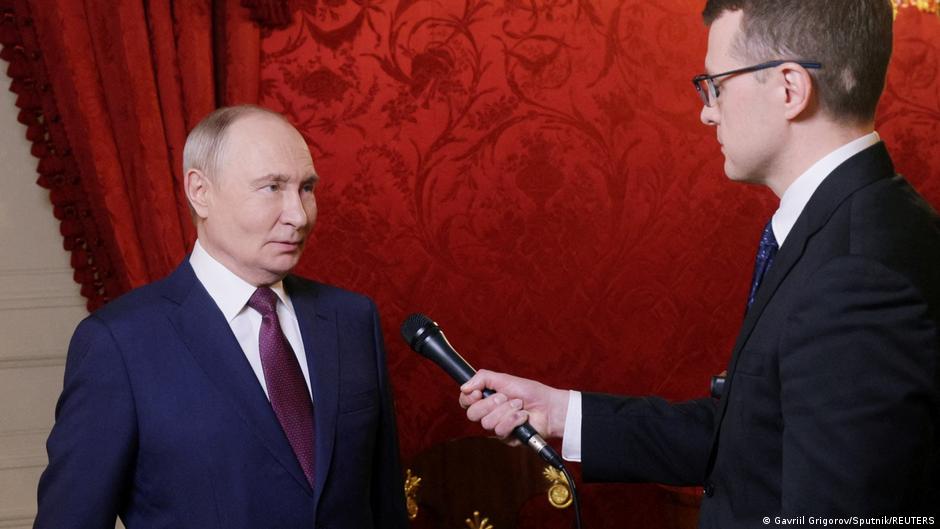
In a significant development just hours before the opening of the St. Petersburg International Economic Forum (SPIEF), Ukrainian forces launched a mass drone attack on Russia's Leningrad region. The strikes occurred overnight on June 3, intensifying security concerns ahead of the high-profile event which is scheduled to feature Russian President Vladimir Putin and a delegation from Germany among its key participants.
Impact on Regional Operations and Forum Preparations
Alexander Drozdenko, governor of the Leningrad region, confirmed the destruction of 30 unmanned aerial vehicles (UAVs) over the area, highlighting the continued efforts of regional air defense units. While the exact locations of the intercepted drones were not disclosed, the attack prompted restrictions at Pulkovo Airport, affecting flight arrivals and departures and potentially disrupting travel logistics for forum attendees.
The SPIEF, hosted at the Expoforum complex south of St. Petersburg near the Leningrad border, is a key platform for economic dialogue and international business engagement. Scheduled to commence at 10 a.m. local time on June 3, the forum’s agenda includes President Putin’s address on June 5 and the participation of significant foreign delegations, notably from Germany.
"Air defense forces shot down 30 drones over Leningrad region. Combat operations are ongoing," stated Governor Drozdenko via Telegram.
Strategic and Geopolitical Context
This drone attack takes place amid heightened tensions between Russia and Ukraine, with Kyiv indicating the possibility of intensified Russian strikes on Ukrainian cities. Ukrainian President Volodymyr Zelensky warned of renewed large-scale Russian attacks during the same night, following missile strikes that previously resulted in over 20 fatalities and more than 100 injuries predominantly in Kyiv and Dnipro.
From Ukraine’s side, Air Force data recorded isolated Russian drones in Ukrainian airspace overnight but reported no large-scale assaults. Meanwhile, Ukraine has not commented on the drone strikes in the Leningrad region.
The timing of the drone attack strategically coincides with the SPIEF, which is a crucial event for Russia’s economic diplomacy and investment strategy. The forum’s ability to proceed uninterrupted is critical for maintaining Russia’s business relations and international economic image, especially under the shadow of ongoing military conflict affecting regional security.
Implications for Corporate Strategy and International Engagement
The drone attacks underscore the complexities facing corporate entities and government stakeholders in Russia as they navigate investment and partnership opportunities under strained geopolitical circumstances. The increased risk to infrastructure and logistics may prompt companies attending SPIEF to reassess risk management strategies.
Moreover, the participation of the German delegation amid these security developments highlights the delicate balance between sustaining economic cooperation and responding to the unfolding conflict dynamics. Business leaders and policymakers must weigh the potential for disruption against the strategic importance of maintaining dialogue in forums like SPIEF.
In sum, the recent drone strikes serve as a stark reminder of the ongoing security challenges that intersect with Russia’s broader economic and diplomatic ambitions. They also reflect the evolving nature of conflict where military actions increasingly impact economic forums and corporate decision-making environments.