Ukraine Imposes Sanctions on Shipping Firms Over Illegal Grain Exports from Occupied Territories
Kyiv targets 13 vessels and 28 companies to curb unauthorized grain exports amid ongoing conflict and strengthens international sanctions coordination.
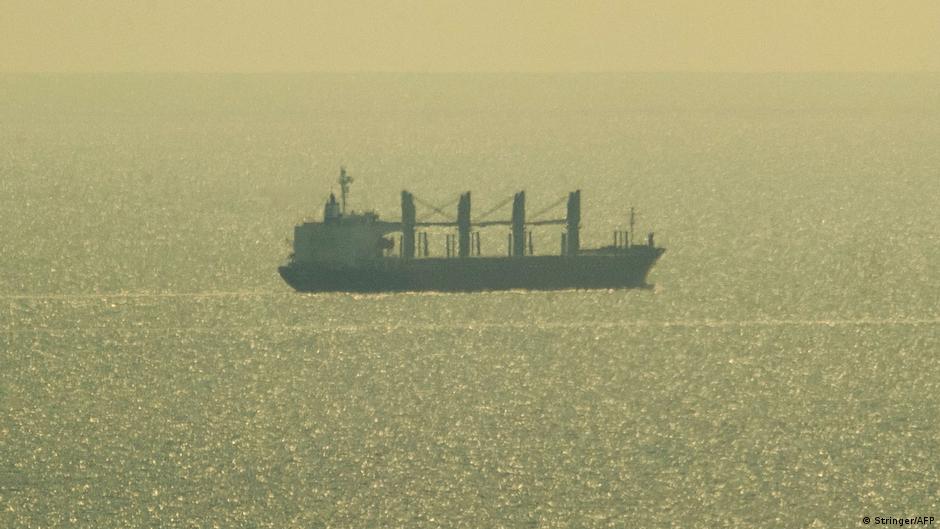
In a strategic move to protect Ukraine’s agricultural assets and assert control over exports, President Volodymyr Zelensky has enacted sanctions against 13 ships and 28 companies involved in the illegal export of grain from Russian-occupied Ukrainian territories. The decree, signed on August 14, enforces decisions by Ukraine’s National Security and Defense Council aimed at curbing unauthorized grain sales abroad.
Sanctions Target Vessels and Corporate Networks
The sanctions apply to vessels flagged under Russia (8 ships), Panama (3 ships), Belize (1 ship), and Saint Kitts and Nevis (1 ship). Alongside these ships, 11 Russian nationals and 28 legal entities have been sanctioned for their roles in facilitating the illicit grain trade. This action highlights Kyiv’s focus on disrupting complex logistical chains and corporate structures enabling the unauthorized removal of Ukraine's agricultural exports.
"Illegal export of Ukrainian grain from temporarily occupied territories must have consequences for all parties involved—from companies and owners to captains and vessels," said Vladyslav Vlasiuk, the presidential envoy for sanctions policy. This statement underscores the administration’s comprehensive approach to holding all stakeholders accountable.
Strategic Implications and International Coordination
Ukraine’s government plans to share detailed intelligence with allied nations to synchronize sanctions across international jurisdictions. By aligning global regulatory frameworks, Kyiv aims to prevent sanctioned entities from circumventing restrictions through alternate ports or flags of convenience, thereby safeguarding Ukraine’s critical grain exports against exploitation.
"Kyiv is committed to mobilizing international partners to enforce sanctions and halt illicit grain exports that undermine Ukraine’s economic sovereignty." — Ukrainian presidential office
This development comes amid ongoing tensions and conflicts affecting Ukraine’s export routes, with grain being a vital component of the country’s economy. Protecting these resources from illegal appropriation is essential to both national security and global food supply stability.
Historical Context and Future Outlook
Ukraine has a history of taking decisive action against the illegal export of agricultural products. In November 2022, the country imposed sanctions on 56 ships that had entered Russian-occupied ports to export wheat, sunflower seeds, and other foodstuffs unlawfully. The latest sanctions build upon this precedent, signaling a sustained commitment to protecting Ukraine’s agricultural interests amid the ongoing geopolitical conflict.
For companies engaged in logistics, shipping, and commodity trading, these measures send a clear message regarding risks associated with operating in contested regions. The enhanced sanctions regime not only disrupts illicit grain export channels but also pressures the corporate landscape to adhere to international legal and ethical standards.
As Ukraine continues to navigate the complex competitive environment shaped by geopolitical instability, the government’s assertive sanctions policy is a key element of its broader strategy to maintain economic resilience and assert sovereign control over critical resources.