UAE’s Covert Military Strikes on Iran Signal Strategic Shift Amid Gulf Conflict
The UAE has secretly conducted attacks on Iran, marking an assertive regional stance amid escalating hostilities and shifting alliances.
The United Arab Emirates (UAE) has engaged in covert military strikes against Iran, responding to attacks launched by Tehran. This marks a significant development in the Persian Gulf's volatile security landscape, highlighting Abu Dhabi’s transition from a cautious bystander to an active participant in the regional conflict.
Strategic Motivations Behind UAE’s Military Operations
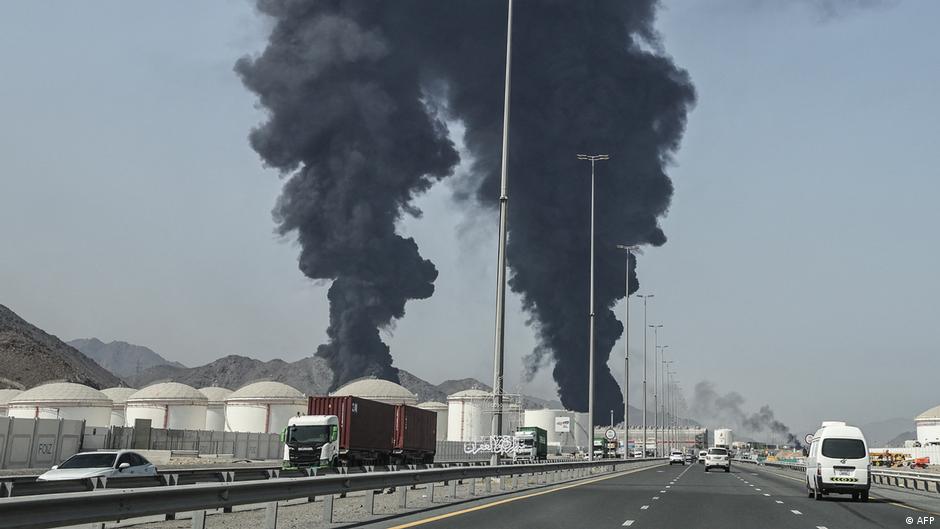
According to informed sources, one notable UAE strike targeted an Iranian oil refinery on Lavan Island in early April. This attack occurred at a critical juncture, shortly before the United States announced a temporary ceasefire in its ongoing conflict with Iran. While the UAE has not publicly acknowledged its involvement, evidence suggests it is directly retaliating against Iranian aggression.
“The UAE views Iran as a pariah state intent on undermining its economic and social model, prompting a fundamental strategic recalibration.”
Iran condemned the refinery strike as hostile aggression, subsequently launching missile and drone assaults against UAE and Kuwaiti targets. The UAE’s Ministry of Foreign Affairs declined to comment specifically on the Lavan Island incident but reiterated that Abu Dhabi reserves the right to respond militarily to hostile acts.
The Pentagon also refrained from commenting on the UAE’s role. Nevertheless, U.S. officials reportedly welcomed the participation of Gulf states like the UAE in countering Iranian provocations, viewing it as alignment in the broader regional security framework.
Implications for UAE’s Economy and Regional Posture
Since the onset of hostilities, Iran has conducted approximately 2,800 drone and missile attacks targeting the UAE—more than any other nation involved in the conflict. These sustained attacks have disrupted critical sectors in the UAE, including aviation, tourism, and real estate, leading to layoffs and unpaid leave within Emirati companies.
Faced with such pressure, UAE officials have recalibrated their strategic posture. The country now perceives Iran as a direct threat to its reputation as a stable, secure hub for international business and expatriate professionals. This perception has galvanized Abu Dhabi to adopt a more confrontational defense and foreign policy stance.
Militarily, the UAE possesses a sophisticated air force, including French Mirage fighters and advanced U.S. F-16 jets, piloted by highly trained personnel. This capability underpins its ability to carry out precision strikes and sustain a credible deterrent posture against Iranian aggression.
In sum, the UAE’s covert strikes against Iran represent a calculated escalation driven by the need to protect its economic interests and regional influence. This evolving dynamic underscores the increasingly complex interplay of military strategy and economic security in the Gulf region.