Trump Criticizes Netanyahu Over Lebanon Strikes, Warning of Increased Isolation
Former U.S. President Trump harshly rebuked Israeli PM Netanyahu for military actions in Lebanon, highlighting risks to Israel’s diplomatic standing.
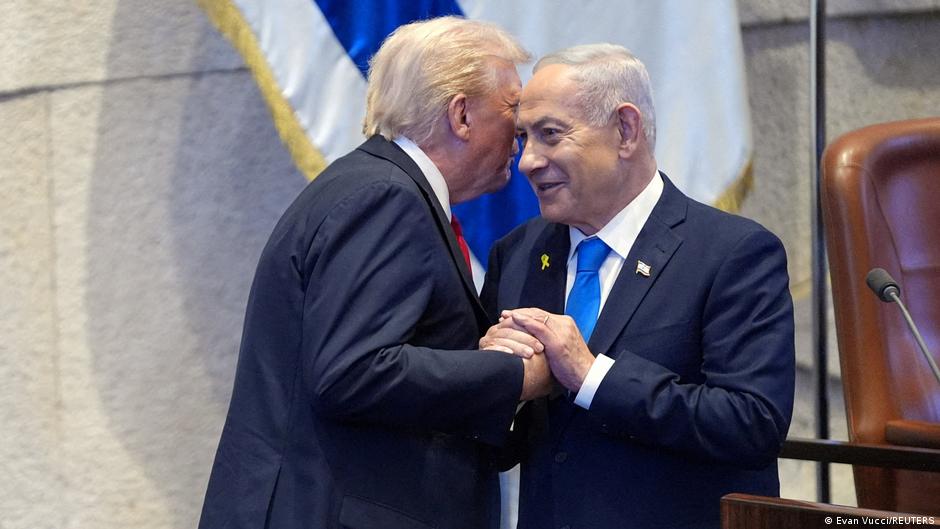
Former U.S. President Donald Trump reportedly delivered a sharp rebuke to Israeli Prime Minister Benjamin Netanyahu following Israeli Defense Forces' strikes on southern Beirut suburbs. According to sources cited by Axios, Trump labeled Netanyahu "crazy" over the disruption of a ceasefire in the Middle East.
Trump’s Call Highlights Tensions Over Israeli Military Strategy
During a phone conversation, Trump expressed frustration with Netanyahu's decision to escalate military operations against Hezbollah, an Iran-backed militant group, in Lebanon. The former president also reminded Netanyahu of his past assistance in helping the Israeli leader avoid prison on corruption charges. Trump cautioned that Netanyahu’s aggressive strikes risk alienating Israel internationally, potentially deepening the nation’s isolation.
"Due to the strikes in Lebanon, Netanyahu is 'hated by all,' which could lead Israel to greater international isolation," sources told Axios.
On June 1, Netanyahu authorized airstrikes targeting Hezbollah positions in southern Beirut, citing escalated threats from the group following attacks on northern Israeli regions. The Israeli operation also included an expansion of ground maneuvers into Lebanon.
US administration insiders revealed concerns over civilian casualties in Lebanon and the destruction of residential buildings during the targeted killings of Hezbollah commanders. These concerns underpin broader geopolitical risks associated with Israel’s military decisions.
Diplomatic Fallout and Iran’s Response
The Israeli strikes intensified tensions in the region, prompting Iran’s Tasnim news agency, affiliated with the Islamic Revolutionary Guard Corps (IRGC), to announce a suspension of indirect negotiations with Washington mediated by third parties. Iran reportedly sees the situation in Lebanon as a critical element of any ceasefire arrangement with the U.S., but ongoing hostilities continue to complicate diplomatic progress.
Trump, however, dismissed claims that negotiations were halted, affirming on his social media platform that talks between the United States and Iran were "progressing rapidly." He further asserted that he negotiated a mutual cessation of attacks between Israel and Lebanon, thereby enabling continued diplomatic engagement.
Strategic and Corporate Implications
This episode underscores the complex intersection of military strategy, regional diplomacy, and international relations which can influence global business environments. Heightened instability in the Middle East threatens energy markets and investor confidence, potentially impacting multinational corporations with interests in the region.
Furthermore, the discord between political leadership in allied states like the U.S. and Israel may affect defense sector contracts, security partnerships, and multinational risk assessments. Netanyahu’s aggressive stance, despite warnings, may reflect internal political calculations that could influence Israel's future economic and diplomatic positioning.
As the situation evolves, corporate strategists and risk analysts must closely monitor these developments to anticipate shifts that could affect market access, supply chain stability, and geopolitical risk premiums.