Russian Ballistic Missile Strikes Follow G7’s Pledge to Increase Support for Ukraine
Russia launched ballistic missile attacks on Kyiv and other Ukrainian cities shortly after G7 nations promised enhanced assistance to Ukraine.
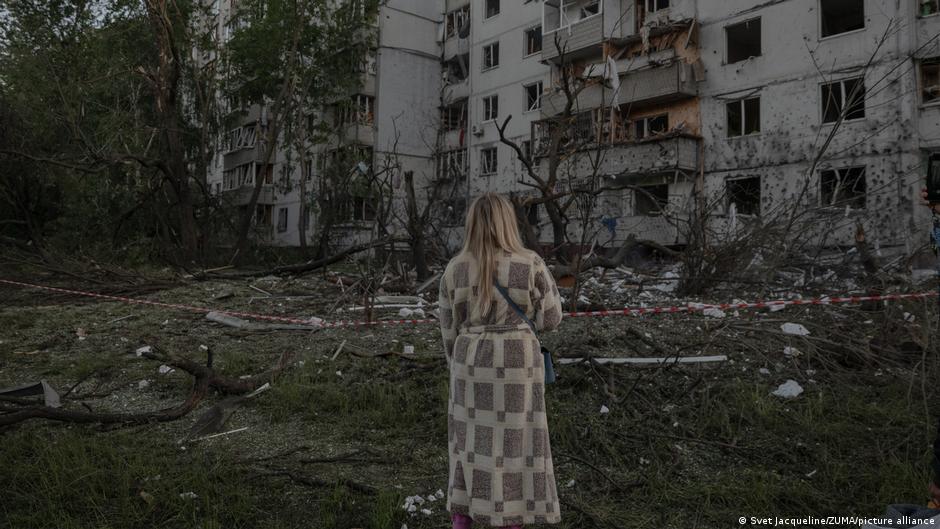
In a significant escalation, Russia conducted ballistic missile strikes on Kyiv during the night of June 17-18, shortly after the Group of Seven (G7) countries pledged increased support for Ukraine. The missile attacks resulted in alarm sirens sounding across Kyiv and multiple other Ukrainian cities, signaling heightened security threats amid ongoing conflict.
Strategic Implications for Corporate and Regional Stability
The missile strikes come at a sensitive geopolitical juncture, coinciding with G7 leaders' announcements to boost military and economic aid to Ukraine. The timing of Russia’s actions suggests a deliberate message aimed at deterring further Western support and destabilizing Ukrainian infrastructure and governance centers.
Timur Tkachenko, head of Kyiv's city military administration, issued urgent warnings on Telegram, advising residents to remain in safe locations until the air raid alert ended. The Ukrainian Air Force also reported threats of ballistic missile strikes in northern regions of Ukraine, further complicating regional security dynamics.
Beyond Kyiv, explosions were reported in Poltava and Sumy, with local authorities in Poltava confirming power outages linked to the attacks. Similarly, the Zaporizhzhia regional administration reported multiple explosions. The Ukrainian Air Force warned of potential strikes using precision-guided bombs in the Sumy region, indicating a broad geographic scope of the missile campaign.
"Be in safe places until the alarm is lifted," urged Kyiv city military chief Timur Tkachenko, highlighting the immediate threat to civilian and urban infrastructure.
The series of missile strikes overnight, accompanied by repeated air raid alerts across several Ukrainian regions, represent a significant escalation that challenges the resilience of Ukraine’s civil administration and infrastructure. For businesses and multinational corporations operating in or engaging with Ukraine, these developments underscore heightened risks and uncertainty.
From a corporate strategy perspective, the escalation could impact supply chains, investment decisions, and risk assessments for international companies exposed to the region. The increased military tension may prompt multinational investors to reevaluate their exposure, while governments and aid organizations may accelerate strategic resource allocation to counterbalance disruptions.
The competitive landscape for defense contractors and related industries is also likely to shift, as increased Western support for Ukraine translates into higher demand for military equipment and technology. Companies positioned to supply advanced defense systems may see expanded opportunities aligned with G7 commitments.
Overall, the missile attacks following the G7's pledge reflect the volatile intersection of international diplomacy, military conflict, and corporate risk in Eastern Europe, emphasizing the need for agile management and strategic foresight in navigating this complex environment.