Russia Launches Renewed Missile and Drone Strikes on Kyiv Amid Oreshnik Ballistic Threat
A series of strikes, including potential use of the Oreshnik missile, signals escalation in Russia's military strategy against Ukraine's capital and surrounding regions.
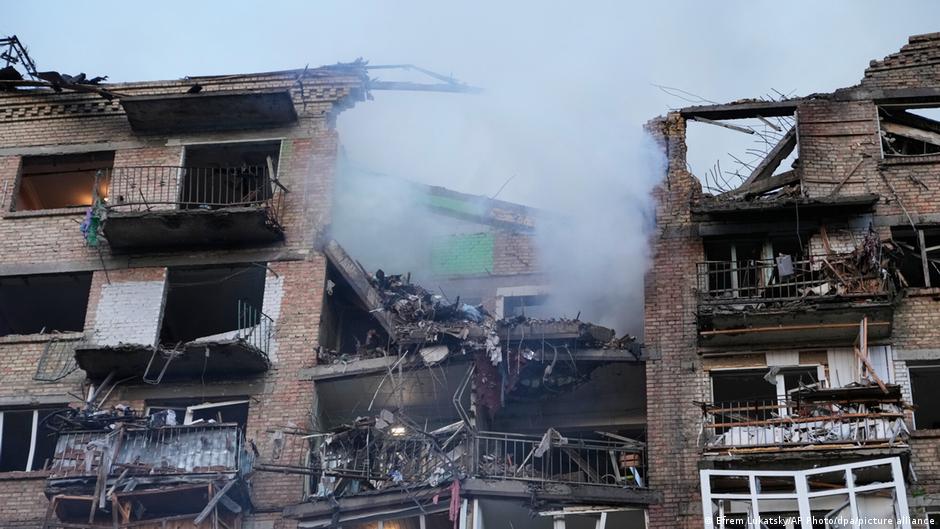
In the early hours of Sunday, May 24, Russian forces carried out a significant wave of missile and drone attacks targeting Kyiv and its surrounding areas. These attacks resulted in substantial damage to residential buildings and inflicted casualties, highlighting a strategic intensification in Russia’s military operations.
Impact and Tactical Approach of the Attacks
Kiev’s mayor, Vitali Klitschko, reported that one person died when a drone struck a nine-story residential building in the Shevchenkivskyi district, with an additional 21 individuals injured. Of those hospitalized, three remain in critical condition. Multiple residential buildings across various districts—Shevchenkivskyi, Obolonskyi, and Solomianskyi—were hit, with drones impacting at different floors, including a 16-story building struck near the 12th and 13th floors, and a 24-story building hit near the 20th floor.
These strikes have caused fires and widespread destruction, as corroborated by video footage circulating on social media. Debris from drones and rockets fell in different parts of Kyiv and its suburbs, triggering further fires.
"The repeated targeting of residential areas with drones and missiles demonstrates a calculated escalation intending to maximize disruption and civilian impact," said an expert analyzing current military strategies.
Emerging Evidence of Oreshnik Ballistic Missile Use
Significantly, there are unconfirmed reports and social media videos suggesting the deployment of the Oreshnik medium-range ballistic missile during these attacks. The missile is believed to have struck a yet unidentified target in Bila Tserkva, south of Kyiv. Videos show characteristic signs of the missile’s warhead separation and powerful explosions typical of Oreshnik strikes.
If verified, this would mark the third usage of the Oreshnik missile by Russian forces since the full-scale invasion began. Previously, Russia deployed Oreshnik missiles in November 2024 and again in January 2026, targeting critical infrastructure in Ukraine’s western regions, including Lviv. Russian authorities have framed these strikes as retaliatory or test launches, but skepticism remains among international observers.
Strategic and Political Implications
Ukrainian President Volodymyr Zelensky warned on May 23 of Russia’s preparations to deploy the Oreshnik missile again, citing intelligence sources. His call for a proactive international response underscores the escalating strategic threat posed by Russia’s missile capabilities.
This situation places increased pressure on Kyiv’s Western partners to enhance deterrence measures and impose more stringent sanctions on Moscow. The evolving use of advanced missile technology like the Oreshnik signals Russia’s intent to sustain pressure on Ukraine’s defense and civilian infrastructure amidst prolonged conflict.
Russia’s repeated missile strikes, coupled with the use of drones targeting urban centers, reflect a deliberate strategy to erode Ukrainian resilience and complicate defense operations. The combination of these tactics poses significant challenges to Ukraine’s security management and necessitates escalated support from allied nations.
As the conflict progresses, monitoring the deployment patterns of ballistic missiles such as the Oreshnik will be key to anticipating Russia’s operational priorities and potential shifts in its military doctrine.