Italian Foreign Minister Cancels US Visit Amid Diplomatic Fallout with Trump
Antonio Tajani cancels planned US trip following President Trump's remarks on Italy's Prime Minister Meloni, signaling tensions in bilateral relations.
Italian Foreign Minister Antonio Tajani has canceled his scheduled visit to the United States on June 21-22 in response to disparaging comments made by former President Donald Trump about Italy's Prime Minister Giorgia Meloni. The decision underscores a growing strain in Italy-US diplomatic relations and raises questions about the future of bilateral cooperation in business and innovation.
Impact on Italy-US Business and Diplomatic Relations
Tajani was slated to participate in the Italo-American Forum on business, investment, science, and innovation in Miami, where he was also expected to meet with US Secretary of State Marco Rubio. The US State Department had confirmed the meeting as part of the event on June 22.
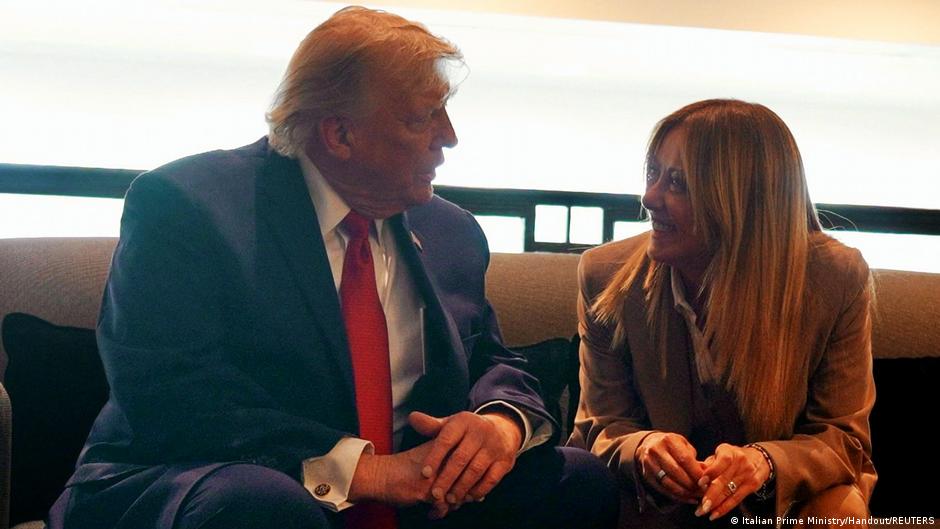
However, after Trump's public claim during a June 19 interview that Meloni "begged" him for a photo opportunity at the G7 summit in Évian-les-Bains, Tajani denounced the remarks as "serious and offensive". On his social media channel X, Tajani emphasized the statements were an affront not only to Meloni but to Italy as a whole, prompting him to cancel his trip.
"Serious and offensive statements by President Trump against Prime Minister Giorgia Meloni are an insult to all of Italy," Tajani stated.
Meloni herself expressed shock and disapproval of Trump's accusations. In a video posted on X, she called the claims "completely fabricated" and criticized the former US president's conduct toward allies, noting it was not the first time such behavior occurred.
She further lamented Trump's reportedly softer stance towards adversaries of the West and the United States, contrasting it with his confrontational approach toward allies like Italy. "One thing he must remember: neither I nor Italy ever beg," Meloni concluded.
Historical Context and Strategic Implications
This episode is part of a broader pattern of diplomatic friction between Trump and Meloni. In April, Trump publicly criticized Pope Leo XIV after the pontiff called for war leaders to engage in peaceful negotiations, labeling the pontiff "weak" on crime and "terrible" in foreign policy. Meloni defended the pope's position, underscoring the importance of his calls for peace.
Trump responded with harsh criticism of Meloni's stance on Iran's nuclear capabilities, accusing her of indifference to potential threats against Italy, thereby deepening the diplomatic rift.
From a corporate and strategic perspective, Tajani's withdrawal from the US forum disrupts planned dialogue on investment and innovation collaboration, which could have long-term consequences for Italian-American economic ties. The public nature of the dispute may deter cross-border cooperation initiatives and impact perceptions in global markets.
Business leaders and policymakers will be closely monitoring how this diplomatic spat evolves, particularly as it may influence Italy's positioning within G7 dynamics and its broader foreign policy alignment.