Israel Intercepts Global Sumud Flotilla Carrying Humanitarian Aid to Gaza Amidst Ongoing Naval Blockade
Israeli naval forces detained multiple vessels from the largest flotilla attempting to breach the Gaza blockade, complicating humanitarian relief efforts.
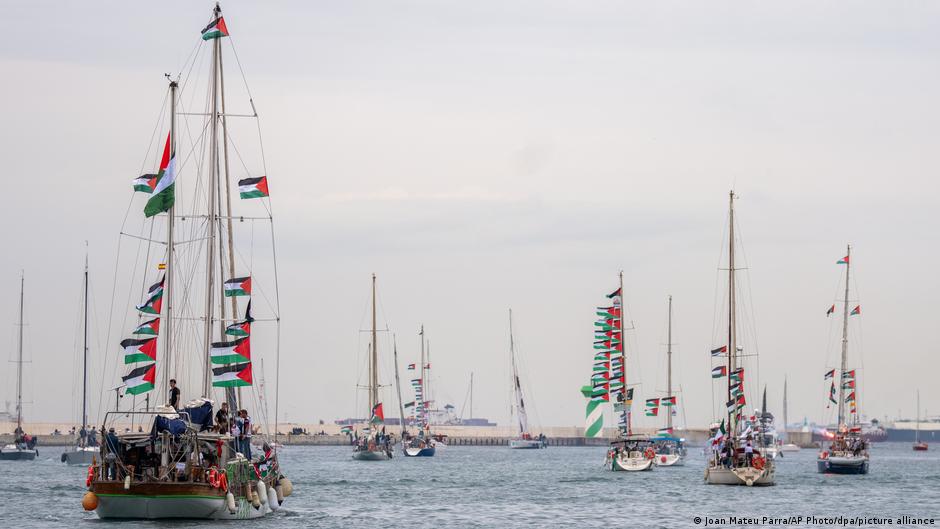
Israeli naval forces have intercepted and detained several vessels belonging to the Global Sumud Flotilla, a coalition attempting to deliver humanitarian aid to the Gaza Strip. According to statements from the organization, some of the ships are being towed into the Israeli port of Ashdod following the interception.
The flotilla, which represents one of the largest coordinated efforts to reach Gaza by sea, departed from a port in Sicily on April 26 with the declared mission of breaking the blockade imposed by Israel and Egypt since 2007. The blockade restricts access to Gaza via maritime routes, limiting the flow of goods and aid into the enclave.
Strategic Implications of the Naval Interception
The disruption of the flotilla's journey underscores the continuing enforcement of Israel’s maritime restrictions designed to control the movement of goods and materials into Gaza. Israeli authorities maintain that the naval blockade is a key element of their security strategy aimed at limiting the capabilities of Hamas, the governing authority in Gaza.
"Currently, Israeli armed forces are enforcing the maritime blockade of Gaza," the Global Sumud Flotilla reported, adding that communication with their vessels was lost and a distress signal (SOS) was sent.
The flotilla’s attempt highlights both the humanitarian concerns regarding Gaza’s isolation and the complex geopolitical dynamics involving Israel, Palestinian factions, and international actors. The Global Sumud Flotilla’s mission also includes advocating for the establishment of a permanent humanitarian corridor to facilitate aid deliveries to Gaza.
Notably, in August 2025, Swedish environmental activist Greta Thunberg publicly confirmed her participation in a similar humanitarian flotilla organized by Global Sumud Flotilla. Thunberg emphasized their goal to deliver aid and establish a sustainable humanitarian corridor for continuous assistance.
In the political arena, the Gaza situation has been subject to intense diplomatic efforts. In October 2025, Israel and Hamas agreed to a ceasefire brokered under a peace plan developed by then-U.S. President Donald Trump’s administration. The agreement included guarantees from the United States, Turkey, Qatar, and Egypt, focusing on prisoner exchanges and easing hostilities.
Further efforts to stabilize the region continued with the announcement in January by the White House of the second phase of Trump’s peace plan. This phase involves the establishment of a National Committee tasked with administering Gaza temporarily, aiming to transfer governance responsibilities to the Palestinian National Authority once conditions permit.
Business and Security Perspectives
From a corporate and strategic standpoint, the enforcement of the blockade and interception of aid shipments directly impact regional trade flows, the operations of logistics companies, and the broader humanitarian supply chain. The complex interplay between security protocols and humanitarian needs raises questions about alternative delivery mechanisms and the role of international organizations in mediating aid.
Moreover, the flotilla’s involvement of high-profile activists and international participants increases global scrutiny of Israel’s maritime policies and could influence diplomatic relations and foreign investment in the broader Middle East region. Businesses linked to maritime transport and humanitarian logistics will be closely monitoring developments, given their implications for operational risk and regulatory compliance.
As the situation unfolds, stakeholders across sectors must balance security concerns with humanitarian responsibilities, navigating an environment shaped by long-standing conflict and emerging diplomatic initiatives.