Impact of Russian Missile Strikes on Kyiv Highlights Risks to Ukraine’s Strategic Cultural and Urban Assets
Recent missile attacks on Kyiv caused fatalities and significant damage to key infrastructure and UNESCO heritage sites, raising concerns over Ukraine’s urban resilience and cultural preservation amid conflict.
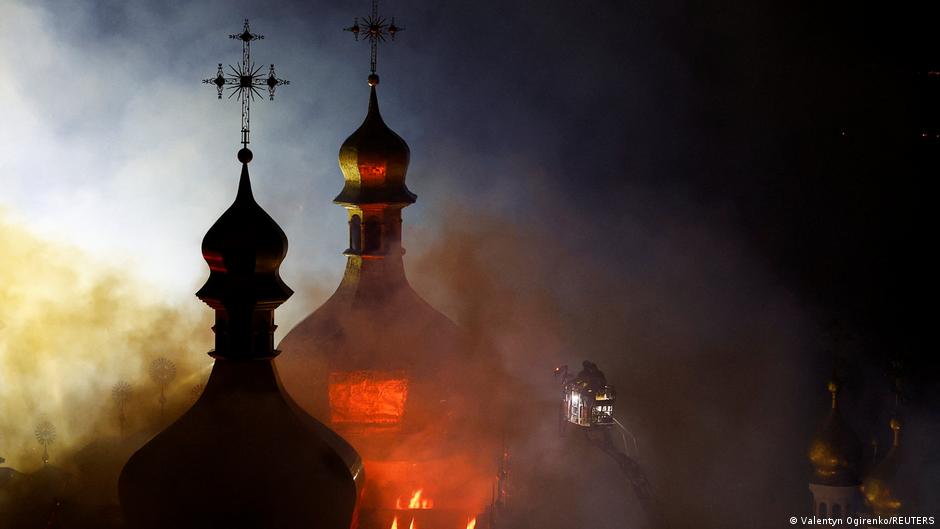
On June 15, Russian forces launched a series of missile strikes targeting Ukraine’s capital, Kyiv, resulting in multiple casualties and extensive damage to critical urban infrastructure and cultural landmarks. The attack notably impacted the Kyiv Pechersk Lavra, a UNESCO World Heritage site, underscoring the vulnerabilities facing Ukraine’s heritage assets amid ongoing hostilities.
Strategic Impact on Infrastructure and Cultural Heritage
The Kyiv Pechersk Lavra, a historic monastery complex and one of Ukraine’s most significant religious and cultural sites, suffered a major fire after the roof of the Dormition Cathedral was hit during the strikes. While initial reports did not confirm casualties within the site, the damage to such a symbolic asset highlights the broader strategic risks to Ukraine’s cultural heritage amid the conflict.
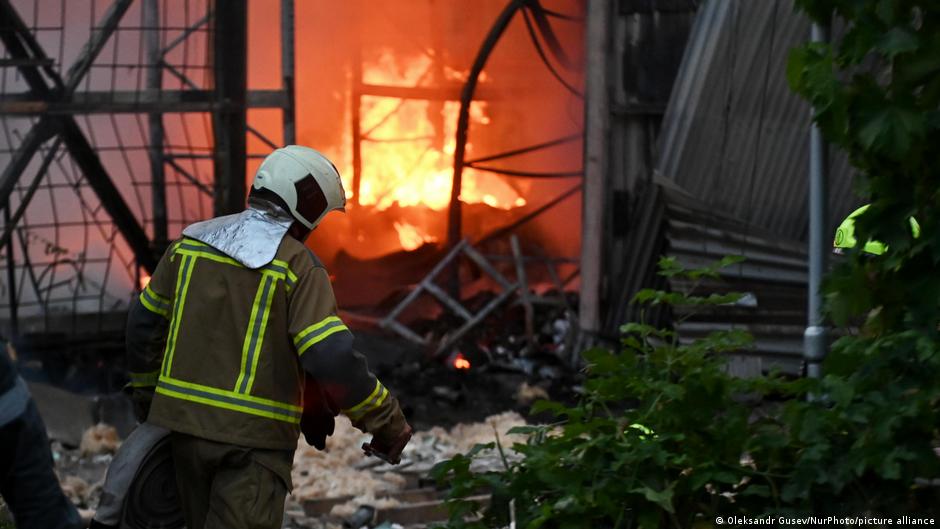
Kiev’s mayor, Vitali Klitschko, reported a total of four fatalities in the city and at least 25 injured individuals. The attacks also caused structural damage across multiple residential buildings in key districts including Pechersk, Solomyanka, Obolon, and Shevchenkivskyi. Notably, a partial collapse occurred in a residential building within Obolon district. Additionally, civilian infrastructure such as markets and grocery stores was targeted, further disrupting daily life and economic activity.
Power infrastructure sustained damage with lines in the northern part of Kyiv being hit, leaving approximately 140,000 subscribers without electricity. This electrical outage compounds the challenges facing city management and emergency services during sustained conflict operations.
“The repeated targeting of Kyiv’s cultural and residential infrastructure presents a dual threat—damaging not only physical assets but also eroding the social fabric and resilience of the city,” noted an urban security analyst.
Broader Security and Cultural Preservation Challenges
The Kyiv Pechersk Lavra had previously been damaged in January 2023 and remains a high-profile example of heritage sites under threat. The gallery leading to the Far Caves, a sacred area within the complex, was heavily affected during earlier strikes. UNESCO has officially recognized the risk to Ukrainian cultural heritage, including the Kyiv Pechersk Lavra and Saint Sophia Cathedral, emphasizing the need for international attention and protective measures.
Since the onset of the full-scale war, over 1,600 cultural heritage sites across Ukraine have been damaged or destroyed, representing a significant loss to the nation’s cultural and historical fabric.
Beyond Kyiv, the missile strikes also impacted Kharkiv, with five rescuers killed in a subsequent attack while responding to fires caused by the strikes. The loss of emergency personnel further complicates Ukraine’s ability to respond effectively to ongoing attacks, raising concerns about the sustainability of civil defense and emergency management systems under continuous pressure.
These attacks underscore the complex challenges facing Ukrainian leadership and urban management, balancing immediate humanitarian and security needs with long-term preservation of cultural assets and urban infrastructure. They also highlight the strategic importance of protecting critical infrastructure and heritage during protracted conflicts.