IMF Approves €604 Million Disbursement to Ukraine Amid Structural Reform Delays
The IMF confirms Ukraine’s satisfactory compliance with the EFF program, enabling a significant second tranche despite reform implementation setbacks.
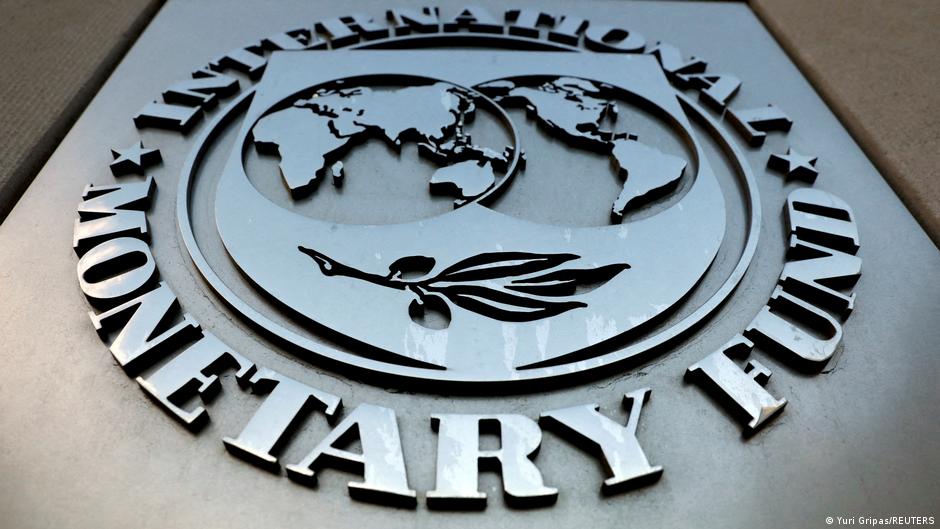
The International Monetary Fund (IMF) has completed the first review of Ukraine’s four-year Extended Fund Facility (EFF) program, endorsing the immediate release of approximately €604 million (around $690 million) as the second tranche of financial aid. The announcement, made on July 21, marks a crucial milestone for Ukraine’s fiscal and economic stabilization efforts amid ongoing conflict and reform challenges.
Program Evaluation and Financial Disbursement
The IMF Executive Board characterized Ukraine’s overall program execution as satisfactory, noting compliance with all quantitative performance criteria as of the end of March. However, the Fund highlighted delays in advancing several key structural reforms critical for sustainable recovery.
“Ukraine continues to demonstrate impressive resilience in the face of Russia’s devastating war. Prudent policies underpinned by the IMF-supported program, combined with robust international support, have preserved macroeconomic and financial stability under extremely difficult conditions,” stated IMF Managing Director Kristalina Georgieva.
The commitments embedded in the EFF program encompass fiscal discipline, governance enhancement, anti-corruption measures, and reforms in the energy and financial sectors. This tranche increases total IMF disbursements to approximately $2.2 billion (€1.9 billion) since program inception.
Strategic Implications for Ukraine’s Economic Outlook
Alongside financial assistance, the IMF finalized consultations aimed at maintaining macroeconomic stability amid the ongoing aggressive military conflict instigated by Russia and supporting Ukraine’s transition towards a dynamic market economy aligned with European Union accession objectives.
Despite progress, the IMF tempered expectations regarding Ukraine’s economic growth prospects. The Fund forecasted a contraction in GDP growth from 1.8% in 2025 to between 1% and 1.6% in the current year, largely attributable to intensified assaults on critical infrastructure and adverse geopolitical consequences linked to conflicts involving the United States, Israel, and Iran. Recovery is anticipated to gain momentum, with growth projected to accelerate to 3.5% by 2027.
Initial program approval granted Ukraine $8.1 billion (€6.8 billion) in financing over 48 months, with an upfront disbursement of $1.5 billion (€1.3 billion), as part of a broader international aid package totaling $136.5 billion (€115.6 billion) aimed at stabilizing and reconstructing the country.
Corporate and Fiscal Management Considerations
The IMF’s emphasis on governance reforms and fiscal policy sustainability underscores the strategic importance of strengthening institutional frameworks within Ukraine’s public and private sectors. Effective management of these reforms will be pivotal for attracting further international investment, optimizing budgetary allocations, and fostering conditions conducive to long-term economic growth.
Furthermore, the scale of Ukraine's reconstruction needs, estimated at nearly $588 billion (€498 billion) over the next decade by the World Bank, EU, UN, and Ukrainian government, highlights the imperative for coordinated policy execution and enhanced administrative capacity to maximize the impact of international assistance.
In conclusion, while immediate financial injections from the IMF provide critical support, the overarching challenge remains the timely and effective implementation of structural reforms to ensure Ukraine’s resilience and competitiveness in the post-conflict economic landscape.