EU Engages in Quiet Diplomatic Efforts with Kremlin to Prepare for Ukraine Peace Talks
High-level EU contacts with Kremlin officials aim to lay groundwork for potential negotiations amid shifting conflict dynamics.
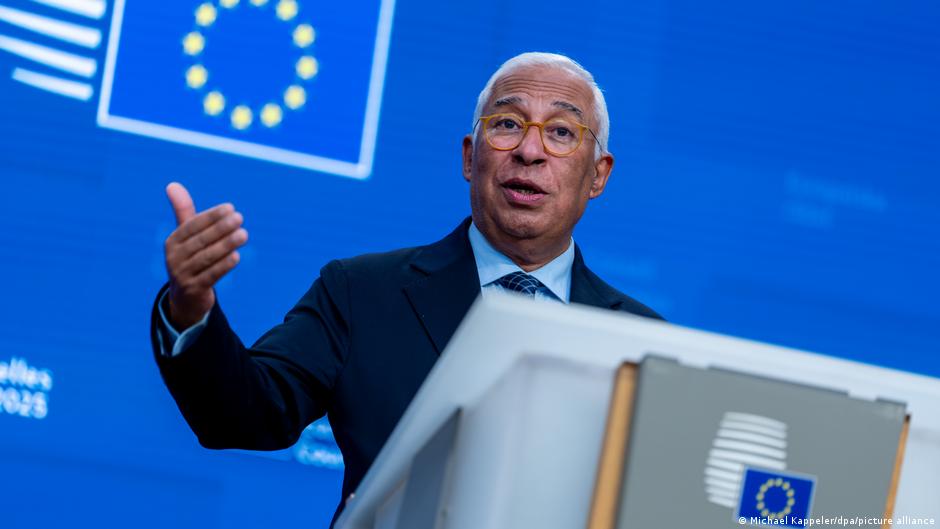
The European Union is reportedly conducting discreet diplomatic communications with Kremlin representatives to explore possibilities for ending the ongoing conflict in Ukraine, signaling a strategic shift in its approach to the war.
According to informed sources, the President of the European Council, António Costa, has taken preliminary steps by having his advisor engage in at least two phone conversations with a senior Russian official close to President Vladimir Putin. These discussions are understood to be preparatory in nature, intended to establish a basis for more substantive negotiations in the future.
Preparing for Potential Negotiations Amid Complex Strategic Landscape
Details about the timing of these communications or the identities of all participants remain confidential, with neither the European Council's spokesperson nor Kremlin representatives providing comments on the matter. However, this development comes against a backdrop of intensifying military pressure on Russian forces and escalating economic costs resulting from the conflict.
Earlier in May, António Costa publicly acknowledged the EU's readiness to engage in talks with Russia, emphasizing ongoing consultations with EU member state leaders to determine an optimal approach and agenda for such discussions. Costa expressed cautious optimism regarding the potential for negotiations with President Putin, indicating a strategic openness to dialogue.
"There is potential for negotiations with Putin," Costa remarked, highlighting the EU's intent to organize itself effectively for discussions when the timing is right.
Moreover, according to reports, Germany, France, and the United Kingdom—Europe's three largest economies—have independently explored strategies to encourage President Putin's involvement in peace talks, coordinating their approaches with the Ukrainian leadership under President Volodymyr Zelensky. This trilateral engagement underscores the complexity and high stakes involved in any prospective diplomatic resolution.
From the EU's perspective, several factors contribute to a possible shift toward dialogue: the stagnation of Russian military advances on the battlefield, increased Ukrainian counteroffensives targeting Russian territory, and mounting economic burdens faced by Russia due to sanctions and the protracted conflict. These dynamics may create a conducive environment for bringing Russia to the negotiating table.
While the EU's current contacts with Kremlin officials remain unofficial and exploratory, they reflect a nuanced corporate-level strategy that balances continued support for Ukraine with pragmatic efforts to reduce regional instability and economic uncertainty. The involvement of senior EU leadership in these initial diplomatic overtures signals a willingness to adapt policy tools amid evolving geopolitical conditions.