Drone Attacks in Russian Regions Result in Casualties and Heightened Security Measures
Drone strikes in Kursk and Belgorod regions cause fatalities and injuries, prompting increased regional security responses and transportation restrictions.
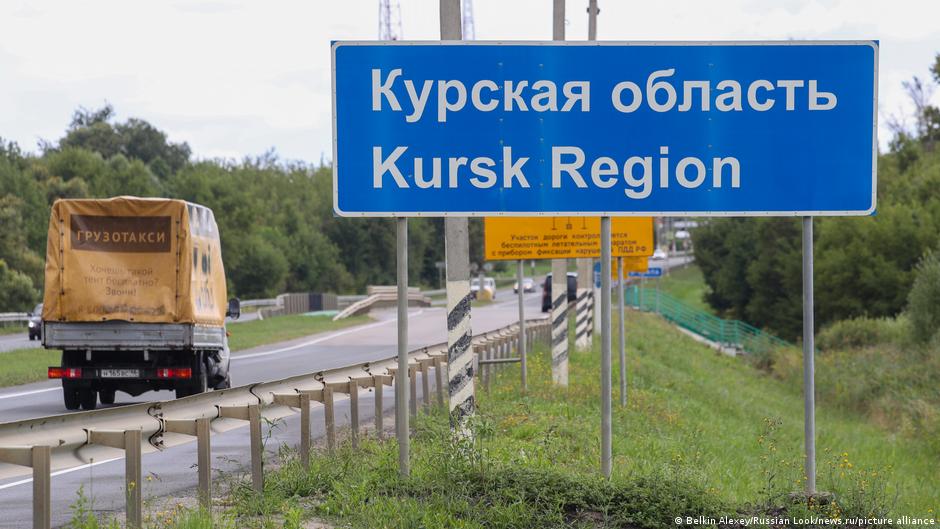
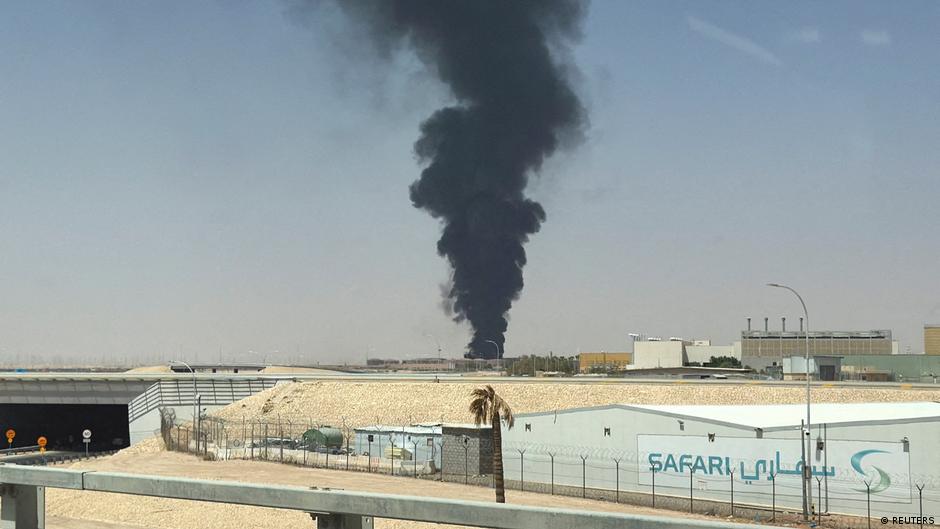
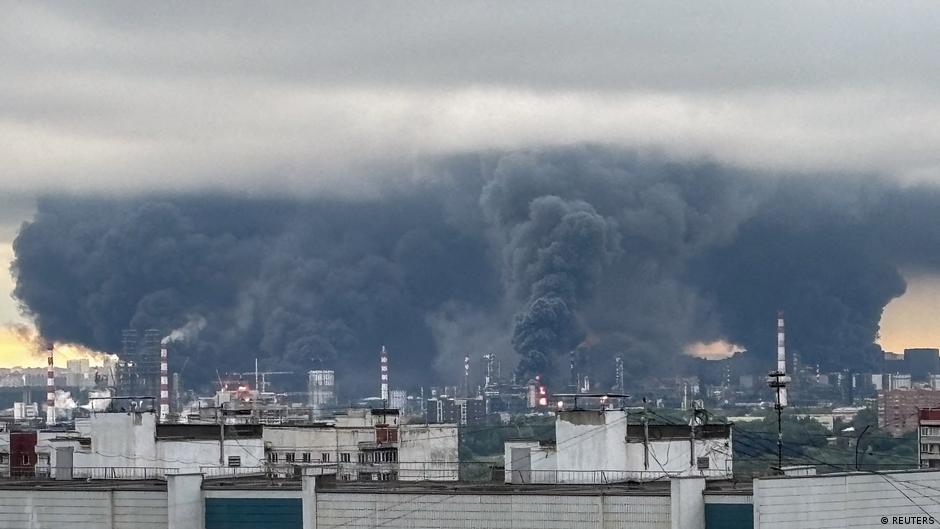
Recent drone attacks on Russian regions have resulted in one fatality and multiple injuries, highlighting emerging security challenges and the potential impact on regional stability and infrastructure. The strikes, which occurred in the Kursk and Belgorod regions, have led to a series of government responses including transport restrictions and increased defense measures.
Casualties and Damage in Kursk and Belgorod
On August 5, a drone attack targeted the Kursk region, striking a private residence in the village of Kozyrevka, Bolsheesoldatsky District, resulting in one confirmed death and six injuries. The regional head, Alexander Khinshtein, reported these casualties, underscoring the increasing use of drone technology in regional conflicts and the associated civilian risks.
Similarly, in the Belgorod region, two individuals were injured during drone strikes in the Shebekinsky District. Among the wounded is a member of the volunteer unit "Orlan," emphasizing the involvement of paramilitary groups in the ongoing conflict dynamics. Another victim sustained injuries when a drone struck a vehicle in the Maslova Pristan settlement, later seeking medical treatment independently for mine-explosive wounds.
"The evolving threat of drone attacks poses a significant risk to civilian populations and critical regional infrastructure," noted regional authorities.
Security Measures and Regional Impact
In response to these attacks, heightened security protocols have been implemented. On the night of August 6, Moscow's mayor, Sergey Sobyanin, announced the interception and destruction of three drones targeting the capital. No casualties or damage have been reported in Moscow.
Further preventive actions were taken in the Yaroslavl region, where authorities declared a drone threat and temporarily restricted transportation on the city’s exit routes toward Moscow. Regional head Mikhail Yevrayev advised residents to avoid travel in the affected areas or to seek alternative routes, illustrating the ripple effect of these security concerns on regional transportation and logistics.
Implications for Corporate and Regional Security Strategies
These recent drone incidents reflect a broader challenge for corporate and regional management, particularly in sectors reliant on secure transport and logistics. The attacks underscore the necessity for enhanced surveillance systems, risk mitigation strategies, and crisis response plans.
For businesses operating in these regions, understanding the shifting security environment is crucial. Companies may need to reassess supply chain vulnerabilities and engage with local authorities to ensure continuity. Additionally, regional administrations must coordinate cross-sector efforts to strengthen defense capabilities against drone threats, balancing public safety with economic activity.
As drone technology becomes increasingly accessible and utilized in conflict scenarios, stakeholders at all levels will need to adapt their strategic frameworks to address emerging risks effectively.