Drone Attacks Damage Residential Buildings in Kharkiv and Odessa, Injuring Seven
Recent drone strikes on Ukrainian cities highlight ongoing risks to civilian infrastructure amid escalating conflict.
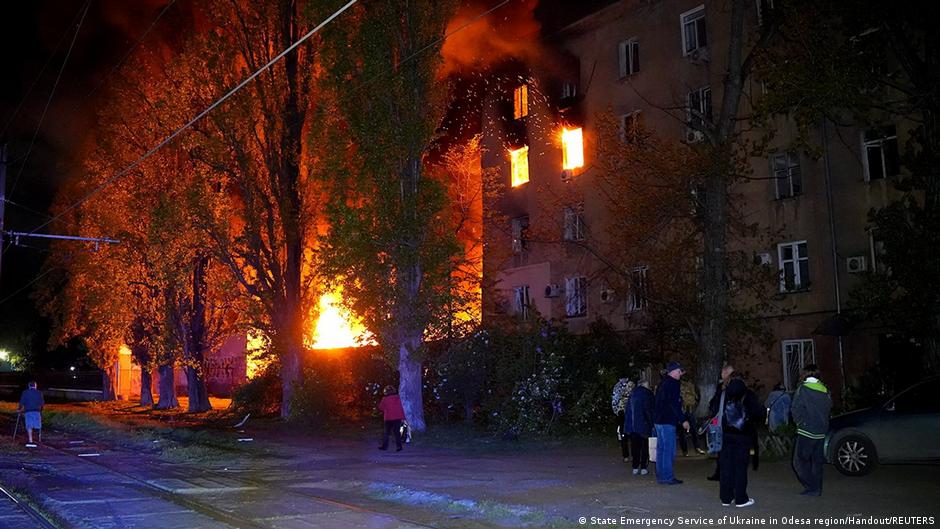
Overnight drone attacks targeted multifamily residential buildings in the Ukrainian cities of Kharkiv and Odessa, causing structural damage and injuries to seven individuals, according to local authorities. Additional strikes affected the town of Bohodukhiv in Kharkiv Oblast.
Impact on Urban Infrastructure and Civilian Safety
In Odessa, a Russian drone struck a nine-story residential building, partially destroying the first and second floors and igniting a fire. The building's facade and balconies also sustained damage. Separate fires were reported in one two-story non-residential building and two single-story structures. Four civilians were injured in Odessa as a result of these attacks.
Kharkiv suffered damage to a five-story residential building, multiple high-rises, garages, and vehicles in nearby areas. Fires erupted following the strikes. Further drone impacts were recorded in two other Kharkiv districts, damaging at least three private houses. The city of Bohodukhiv also experienced a drone strike. Three people were injured in the region, including a 34-year-old Kharkiv resident and a 39-year-old resident of Bohodukhiv.
"The attacks underscore the persistent threat drones pose to urban civilian infrastructure and the complexity of defense challenges in densely populated areas," local officials noted.
The scale of drone use is significant; on May 30-31, the Russian Armed Forces launched 229 drones against Ukrainian targets. Ukrainian Air Forces reported 14 strike drones successfully hit 11 different locations, with wreckage found in 5 others.
One notable strike occurred in the Korukivka district of Chernihiv Oblast, where a 58-year-old man was killed, and a fire at a parking lot destroyed seven vehicles.
Strategic and Operational Considerations
These drone attacks reveal the evolving tactics employed by Russian forces to target civilian infrastructure and disrupt urban life in Ukraine. The use of relatively low-cost unmanned aerial vehicles (UAVs) enables sustained pressure on multiple locations simultaneously, complicating Ukrainian air defense responses.
For businesses and municipal management in affected regions, the attacks raise concerns about urban resilience and risk mitigation strategies. Protecting residential and commercial property from drone strikes requires investment in early detection systems, counter-drone technologies, and coordinated emergency response capabilities.
Moreover, the attacks have broader implications for corporate entities operating in or near conflict zones. Disruptions to infrastructure and civilian safety can affect workforce availability, supply chains, and overall economic stability.
As the conflict endures, strategic analysis must factor in the growing role of unmanned systems in asymmetric warfare. Companies and local authorities need to adapt their operational and security frameworks to address this evolving threat landscape effectively.