US Military Strikes Gambian-Flagged Vessel in Strategic Strait Amid Iran Tensions
US forces disabled a cargo ship en route to Iran in the Gulf of Oman, enforcing a blockade amid ongoing regional hostilities and stalled nuclear negotiations.
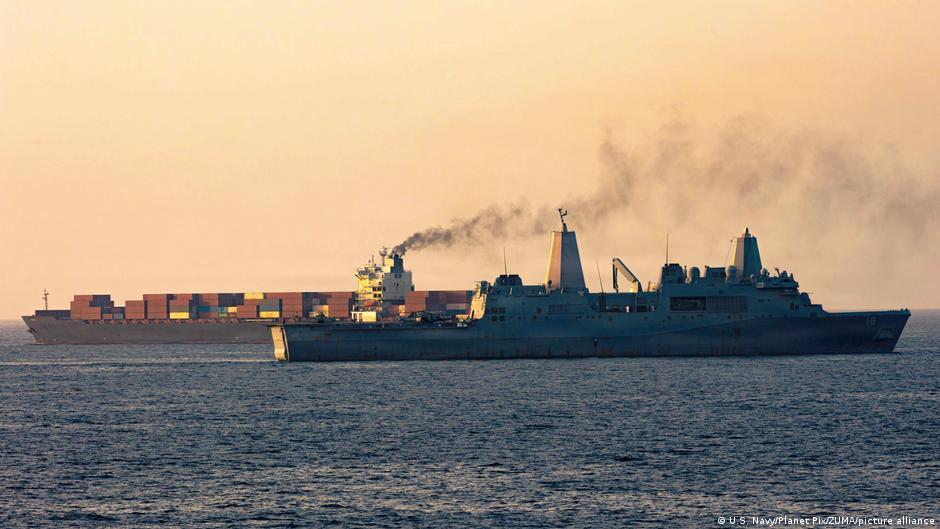
The United States military executed a missile strike against a vessel flying the Gambian flag in the Gulf of Oman, targeting the ship after it ignored repeated warnings not to enter an Iranian port. The action reflects the US commitment to enforcing a naval blockade around the Strait of Hormuz aimed at curtailing Iran’s maritime activities.
Details of the Incident and Strategic Context
According to the US Central Command (CENTCOM), the cargo ship named Lian Star was navigating through international waters toward an Iranian port when it received more than 20 warnings about violating the American-imposed blockade. When the vessel’s crew failed to comply, a US military aircraft launched a Hellfire missile targeting the ship’s engine room, effectively disabling it and diverting it from its intended route.
"The American plane disabled the vessel by striking its engine compartment after the crew did not comply with demands," CENTCOM stated, emphasizing the ongoing enforcement measures in the strategic waterway.
Since April, following a tentative ceasefire arrangement between Washington and Tehran, US forces have ramped up maritime interdictions. CENTCOM disclosed that five commercial ships have been disabled, and 116 others redirected under the blockade effort aimed at vessels linked to Iran. In a reciprocal move, Iranian authorities have blocked the Strait of Hormuz to ships connected to the US.
Implications for Corporate Shipping and Geopolitical Stability
This military intervention occurs amid heightened geopolitical tensions, particularly after an Iranian missile strike on the American Ali Al Salem airbase in Kuwait, injuring five personnel and damaging two US MQ-9 Reaper drones, each valued at approximately $30 million.
From a business perspective, these developments signal increased operational risks for commercial shipping in the Gulf region, impacting supply chains and insurance costs for companies with maritime logistics dependent on these routes.
Meanwhile, US-Iran diplomatic negotiations are reportedly advancing, with preliminary framework agreements on a conflict resolution reportedly reached according to sources cited by Axios. However, US President Donald Trump has yet to endorse any settlement, stipulating adherence to core conditions, including Iran’s abandonment of nuclear weapons ambitions. Tehran, on its part, confirms that no final agreement has been signed.
The evolving security landscape necessitates close monitoring by corporate strategists and risk managers engaged in Middle Eastern trade and energy sectors, as maritime access and regulatory conditions could shift rapidly with political developments.