US Covertly Aids 70 Commercial Vessels Through Strait of Hormuz Amid Iran Tensions
CENTCOM has secretly facilitated passage for around 70 ships through the Iran-blocked Strait of Hormuz in recent weeks without public naval escort.
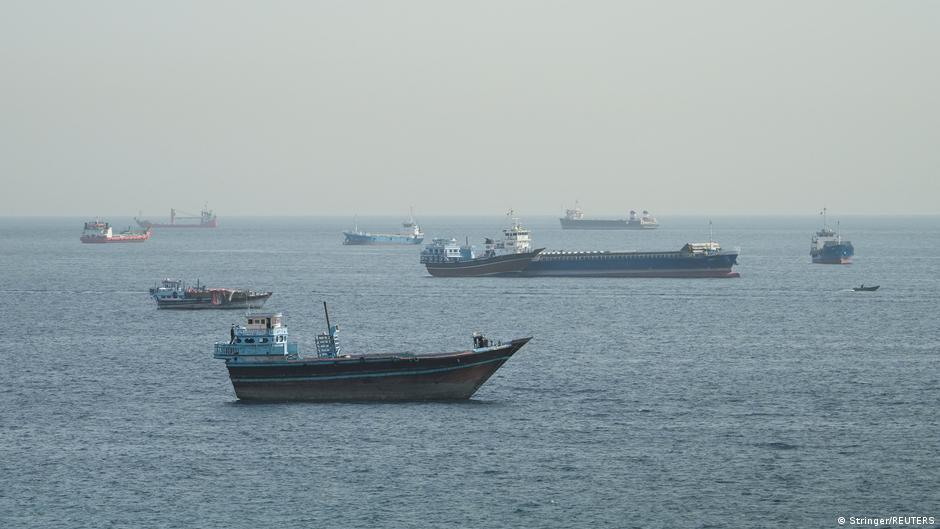
Over the past three weeks, the United States Central Command (CENTCOM) has covertly assisted approximately 70 commercial vessels in passing through the Strait of Hormuz, a vital maritime chokepoint currently obstructed by Iran. This operational support was conducted largely without public acknowledgment and involved ships navigating with their transponders switched off, according to anonymous U.S. officials.
Strategic Implications of US Support in the Strait of Hormuz
The Strait of Hormuz, a critical artery for global oil shipments, has become a flashpoint amid heightened US-Iran tensions. CENTCOM’s discreet facilitation aims to ensure commercial traffic continuity while mitigating the risk of Iranian strikes, which are described as "almost guaranteed" if vessels transit close to Iran’s coastline without authorization.
One source detailed that in at least one instance, US assistance enabled a vessel to navigate far from the Iranian shore to avoid potential attacks. Despite support, CENTCOM has not provided overt naval escorts, particularly after President Donald Trump paused the "Freedom Project"—an initiative initially intended to publicly safeguard shipping lanes in the Strait.
"Our efforts reflect a balancing act—helping commercial vessels navigate a contested waterway without escalating military confrontation," a US official remarked.
Before the escalation of hostilities on February 28, over 100 commercial vessels passed through the Strait daily. Recent data shows this number has plummeted to about three ships daily, underscoring the operational and economic disruptions caused by the conflict.
While secret US backing exists, most vessels still opt for official passage through Iranian-coordinated routes. Shipping analytics firm Kpler reports that between March 1 and May 19, 895 transits were recorded: just over half followed Iranian-approved paths, while roughly 40% utilized “dark” routes with disabled transponders, indicating increased risk and operational complexity.
Contextualizing the Maritime Blockade and Diplomatic Efforts
The ongoing blockade of the Strait by both the US and Iran began in April, with Tehran requiring vessel clearance and Washington prohibiting tankers from entering Iranian ports. This impasse has severely constrained maritime trade and escalated security concerns among global stakeholders.
Recent reports from the Axios news portal indicate preliminary framework agreements have been tentatively reached between US and Iranian negotiators aimed at resolving the conflict. However, President Trump has yet to endorse these accords, emphasizing strict conditions such as Iran’s abandonment of nuclear weapons ambitions.
Iranian leadership has also confirmed that no final agreement to end hostilities has been reached, leaving the region’s commercial navigation environment fraught with uncertainty.
For multinational corporations, shipping firms, and geopolitical strategists, these developments underscore the critical need to monitor evolving security dynamics in the Strait of Hormuz. The covert US assistance reflects an adaptive corporate and governmental strategy to sustain maritime commerce while managing risk in a volatile arena.