US Conducts Defensive Strikes on Southern Iran Amid Ongoing Ceasefire and Negotiations
CENTCOM targets Iranian missile launch sites and mine-laying vessels in defensive operations to protect American forces.
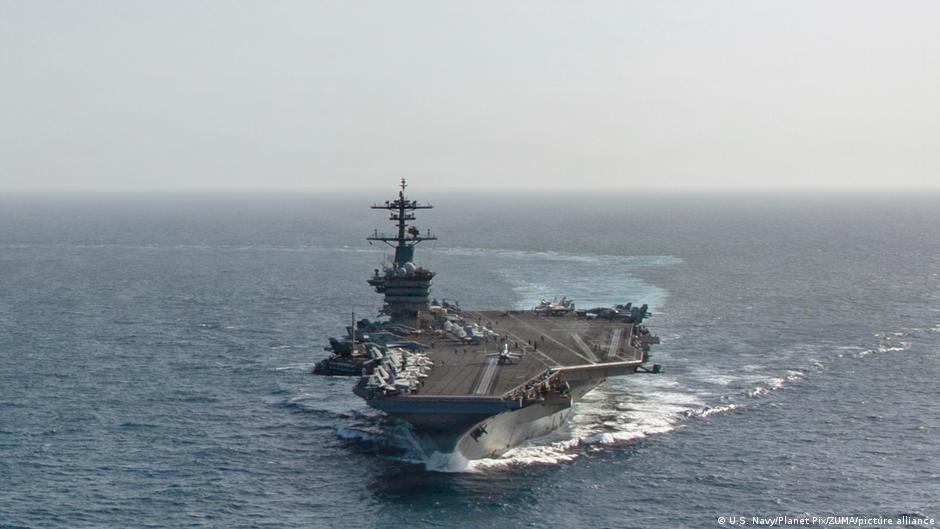
In a strategic move reflecting escalating tensions in the Middle East, the United States military executed targeted strikes on various sites in southern Iran, including missile launch facilities and vessels suspected of laying mines. The Central Command of the US Armed Forces (CENTCOM) confirmed the operations occurred overnight on May 26, characterizing the actions as "defensive" measures aimed at protecting American military personnel from threats posed by Iranian forces.
TIM HAWKINS, CENTCOM spokesperson, emphasized that the strikes were carefully measured within the parameters of the existing ceasefire agreement, which has been in effect since April 8. "CENTCOM continues to safeguard our troops while exercising restraint throughout the ongoing truce," Hawkins stated. This balance between defense and restraint illustrates the complexity of maintaining security without escalating conflict.
Strategic Implications for Corporate and Geopolitical Landscapes
The timing and nature of these strikes carry significant implications for multinational corporations, particularly those involved in energy, shipping, and defense sectors. Iran’s southern region, strategically located along critical shipping lanes such as the Strait of Hormuz, is a vital corridor for global oil and gas exports. Disruptions or increased military activity here pose potential risks to supply chains and raise insurance and operational costs for shipping companies and energy firms.
Furthermore, the targeting of mine-laying vessels highlights the ongoing maritime security concerns which could impact global logistics and trade flows. Companies with vested interests in these waters must recalibrate risk assessments and consider contingency plans amid fluctuating regional stability.
From a corporate governance perspective, these developments underscore the importance of agile risk management frameworks capable of responding to geopolitical volatility. Firms with exposure to Middle Eastern markets or those dependent on regional infrastructure should elevate scenario planning and engage in active monitoring of military and diplomatic developments.
"CENTCOM continues to safeguard our troops while exercising restraint throughout the ongoing truce." — Tim Hawkins, CENTCOM Spokesperson
On the diplomatic front, these military actions occurred against the backdrop of ongoing peace talks between the United States and Iran. President Donald Trump, in a social media post on May 25, described the negotiations as progressing well but issued a stark warning of either "a great deal for all or no deal, returning to fighting on a scale never seen before." This rhetoric signals that while dialogue persists, the window for a sustainable agreement remains fragile.
For investors and market analysts, these dynamics advise caution. The potential for renewed conflict could trigger volatility in commodity markets, especially oil prices, and influence strategic decisions within defense contracting and international trade sectors.
In conclusion, the US defensive strikes represent a critical juncture in US-Iran relations with broad ramifications across business, security, and diplomatic domains. Companies with strategic stakes in the region must navigate these developments carefully, balancing risk with opportunity amid an evolving geopolitical landscape.