Ukraine Positions as Key Supplier of Long-Range Drones and Missiles to NATO Amid Strategic Gaps
Kyiv offers advanced long-range UAVs and missile systems to NATO, aiming to fill critical capability gaps in alliance’s precision strike potential.
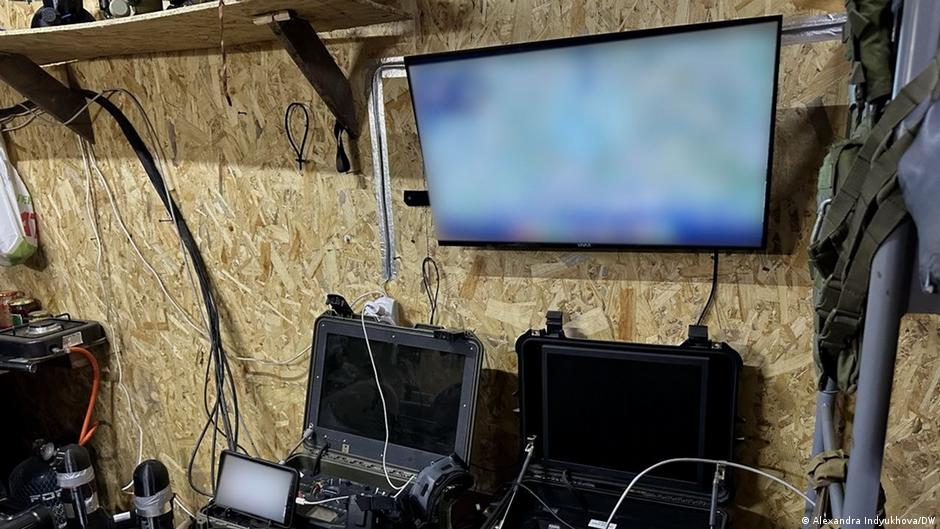
Ukraine is preparing to become a vital supplier of advanced long-range drones and missile systems to NATO, potentially transforming the alliance’s precision strike capabilities and addressing critical gaps in its strategic arsenal.
Strategic Implications of Ukraine’s Offer to NATO
In a recent interview, Alena Hetmanchuk, Ukraine's ambassador to NATO, revealed that Kyiv could soon close existing "capability gaps" within the alliance, particularly in the domain of long-range unmanned aerial vehicles (UAVs) and missile technologies. She emphasized Ukraine's unique expertise and innovative defense solutions, which extend beyond drone defense to include precision strike capabilities.
"If NATO members such as Germany request it in the future, we are ready to offer our experience and highly effective weapons: long-range drones and missiles," Hetmanchuk stated.
This development comes amid growing concerns within NATO about its ability to counter Russia’s expanding arsenal, which includes nuclear-capable 9M729 cruise missiles (NATO designation SSC-8) and Iskander ballistic missiles capable of striking strategic targets deep within European territory.
Compounding NATO's challenges was a recent decision by U.S. President Donald Trump to cancel plans for deploying American Tomahawk cruise missiles in Germany. This move effectively removed a key deterrent for European NATO members by limiting their options for striking high-value targets on Russian soil, such as command centers, power plants, and ammunition depots.
Against this backdrop, Ukraine's offer to supply long-range strike systems gains strategic weight. By integrating Ukrainian UAVs and missile technology, NATO could rebuild and enhance its deep strike capabilities, rebalancing the alliance's deterrence posture vis-à-vis Russia.
Germany’s Strategic Engagement and Future Cooperation
The timing of Ukraine's announcement aligns with heightened defense collaboration between Germany and Ukraine. On May 11, German Defense Minister Boris Pistorius visited Kyiv, underscoring the importance of bilateral defense cooperation. Pistorius highlighted plans for joint development of advanced UAV systems of varying ranges, with a particular focus on "Deep Strike" capabilities designed to conduct precision attacks far behind enemy lines.
"This cooperation will enhance the security of both our countries," Pistorius remarked, signaling Germany's strategic intent to deepen ties with Ukraine in defense technology development.
In parallel, reports from European and NATO diplomats indicate that the German government is exploring the establishment of a joint German-American enterprise to manufacture Tomahawk cruise missiles domestically by 2028. This initiative reflects Germany’s commitment to restoring and expanding its long-range strike arsenal, potentially complementing Ukrainian contributions.
For NATO, Ukraine’s emerging role as a supplier of cutting-edge long-range UAVs and missiles not only fills a capability gap but also represents a significant shift in the alliance’s defense industrial base and strategic partnerships. It positions Kyiv as a critical player in shaping the future of European defense and deterring Russian aggression.
As geopolitical dynamics evolve, NATO’s integration of Ukrainian defense technologies could become a cornerstone of its strategy to maintain credible and effective deterrence in the region.