Ukraine Issues Apology to Greece Over Maritime Drone Incident Amid Regional Security Concerns
Kyiv attributes drone presence near Lefkada to ongoing Russian aggression and emphasizes commitment to international maritime law and bilateral relations.
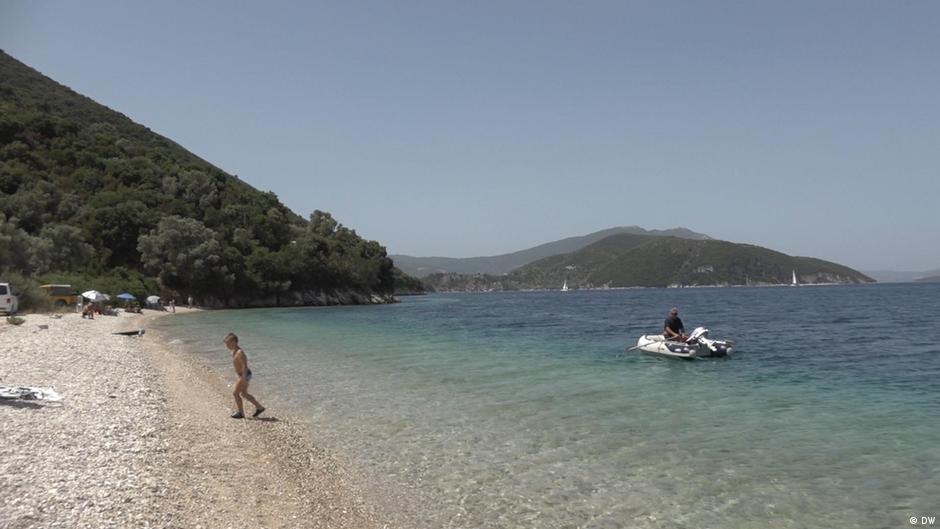
Ukraine has formally apologized to Greece following the discovery of a maritime drone carrying explosives near the Greek island of Lefkada in the Ionian Sea. The incident, disclosed by Ukrainian Foreign Ministry representative Georgiy Tykhyy on June 5, highlights the complex security challenges arising from the ongoing conflict with Russia and its wider regional implications.
Incident Overview and Geopolitical Context
The maritime drone, reportedly carrying approximately 100 kilograms of explosives, was found by fishermen in May near Lefkada, a Greek island located over 1,000 kilometers from Ukraine’s Black Sea coast. Initial assessments suggest the drone's remote control malfunctioned, leading to its accidental presence in Greek territorial waters. Ukrainian authorities indicated that the device was likely intended to target vessels linked to Russia's "shadow fleet" operating in the Mediterranean Sea.
"This incident, like similar cases in other regions, demonstrates that ongoing Russian aggression against Ukraine poses a threat not only to our country but also to neighboring friendly states, Europe, and the world at large," stated Georgiy Tykhyy.
Greece officially lodged a diplomatic protest with Kyiv on June 3, emphasizing that it will not permit the Mediterranean Sea to become a theater for military confrontation. The island of Lefkada's location far from Ukraine's maritime boundaries underscores the broader regional reach of the conflict's security dynamics.
Strategic Implications and Regional Security
Though Ukraine lacks direct access to the Mediterranean and Ionian seas, reports from sources including dpa suggest Ukrainian forces may be deploying maritime drones from bases in western Libya, targeting Russian maritime logistics and shadow shipping operations. Notably, in early March, a Russian liquefied gas tanker en route to Egypt was attacked east of Malta by similar drones allegedly operated by Ukraine.
This evolving use of maritime unmanned systems reflects a strategic adaptation in Kyiv’s military and intelligence operations. By extending maritime influence beyond the Black Sea, Ukraine aims to disrupt Russian supply chains and complicate Moscow’s naval operations in key Mediterranean corridors.
Diplomatic and Corporate Considerations
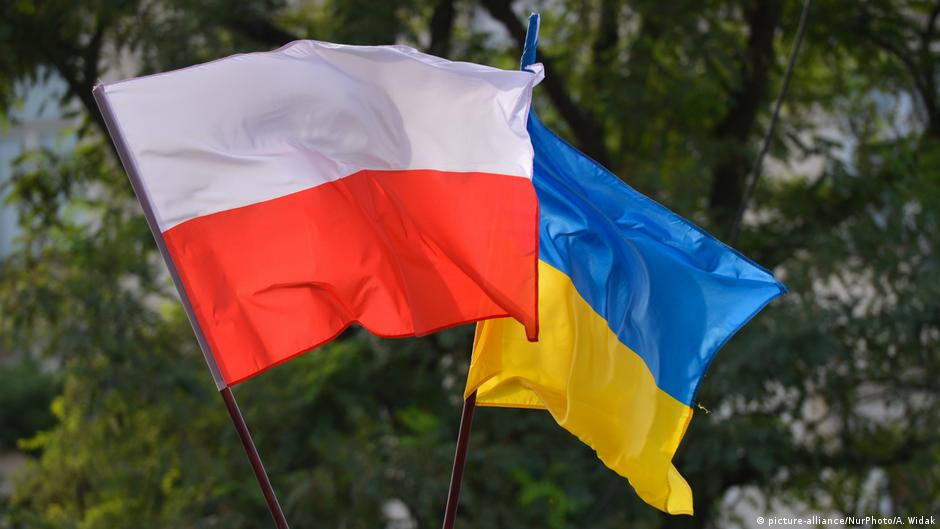
Ukraine’s apology and emphasis on adherence to international maritime law indicate an acute awareness of the diplomatic risks involved. Kyiv expressed gratitude to Greece for its steadfast support since the onset of Russia’s full-scale invasion and reaffirmed its commitment to maintaining friendly relations and constructive dialogue.
From a corporate and business strategy perspective, this incident showcases the critical intersection of military innovation, geopolitical risk, and international partnerships. Greek authorities’ swift diplomatic response serves to protect maritime commerce and regional stability, vital to Mediterranean trade and energy routes.
Furthermore, the employment of maritime drones in contested waters signals potential shifts in naval warfare and defense procurement priorities, likely affecting regional defense contractors and international security collaborations.
Ukraine’s approach underlines the balancing act between leveraging advanced tactical capabilities and managing the diplomatic fallout within allied nations’ jurisdictions.
Outlook
As the conflict between Ukraine and Russia persists, incidents such as the maritime drone near Lefkada underscore the transnational nature of modern warfare and security threats. Both Kyiv and Athens have expressed a mutual interest in deepening bilateral relations and ensuring that international norms and civilian maritime safety are upheld.
Effective management of these incidents will be essential for sustaining regional stability, protecting commercial interests, and navigating the complex competitive landscape involving state and non-state actors in the Mediterranean sphere.