Ukraine Calls for Ban on Russian Military Participation in UN Peacekeeping Missions Amid Sexual Crime Allegations
Ukraine urges the United Nations to prohibit Russian forces from peacekeeping roles following documented sexual offenses during the Ukraine conflict.
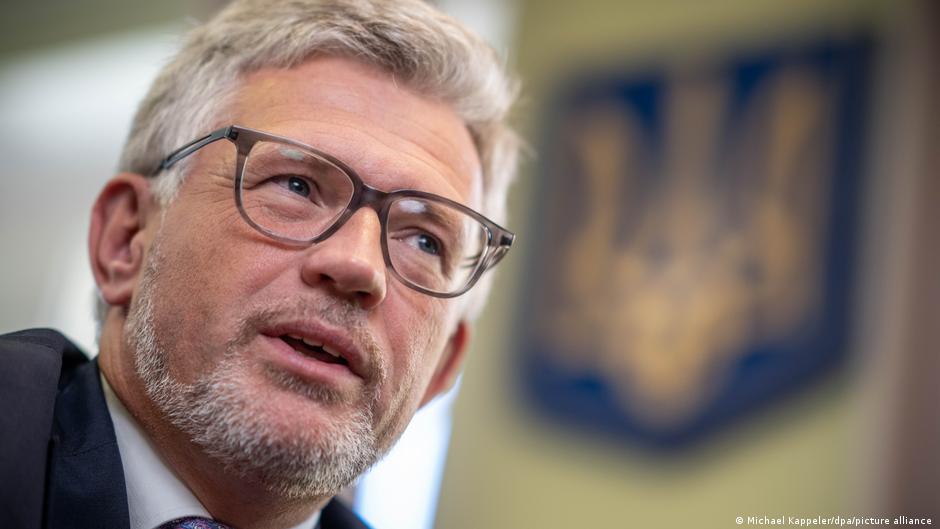
Ukraine's Permanent Representative to the United Nations, Andriy Melnyk, has formally called for the exclusion of Russian military personnel from all United Nations peacekeeping and policing missions. This appeal comes in the wake of documented cases of sexual crimes committed by Russian forces during the ongoing conflict in Ukraine.
Addressing an emergency session of the UN Security Council on June 8, Melnyk stated, "Armed forces, which the UN Secretary-General has again included on the list for sexual violence related to the conflict, cannot and should not participate in any operations under the UN flag. Russian personnel must be banned from UN peacekeeping and police missions."
The Ukrainian diplomat's statement follows a recent UN report that, for the first time, listed the Russian military on a blacklist for involvement in rape and other sexual crimes against prisoners of war and civilians detained during the war in Ukraine. This report has intensified international scrutiny over the conduct of Russian troops and raised questions about their suitability in global peace operations.
Strategic Implications for UN Peacekeeping Operations
Melnyk’s proposal has significant ramifications for the United Nations' management of peacekeeping forces and its commitment to upholding human rights standards. The UN’s credibility hinges on the integrity of its peacekeepers, who are responsible for maintaining security and protecting vulnerable populations in conflict zones. Excluding a major military contributor like Russia could disrupt existing peacekeeping deployments but may be necessary to preserve the UN’s moral authority.
From a strategic standpoint, Ukraine’s demand places the UN at a crossroads regarding the balance between inclusive international cooperation and adherence to human rights principles. It also signals a broader challenge for Russia’s diplomatic and strategic positioning within international institutions.
"Perhaps it is time to say goodbye and leave the UN," Melnyk remarked, urging Russia to reconsider its membership if it continues to reject General Assembly resolutions and UN findings.
This stark suggestion underscores the escalating tensions between Ukraine and Russia on the international stage and highlights the potential isolation Russia may face if allegations against its military persist.
Management and Diplomatic Reactions
Melnyk specifically criticized the stance of Russia’s UN Ambassador Vasily Nebenzya, who dismissed the annual UN report on sexual misconduct as an attempt to "discredit Russia." The Ukrainian envoy's comments reflect a growing frustration with Russia’s refusal to acknowledge credible allegations and the impact this has on international peace and security frameworks.
Furthermore, Melnyk emphasized that Russia has rebuffed Ukraine’s diplomatic overtures, including a proposed meeting between the two countries' leaders on neutral ground to negotiate an end to hostilities. "Ukraine has proposed a concrete path forward—a meeting of the two leaders on neutral territory. In response, from Mr. Putin, we hear: 'No, again and again, no,'" he lamented during his address.
Context of Recent Escalations
The Security Council meeting was convened following a significant escalation in hostilities, including a large-scale Russian missile strike on June 2 that killed at least 22 people in Kyiv and Dnipro, with over 100 injured nationwide according to Ukrainian authorities. The attack marked one of the deadliest single assaults since the full-scale invasion began, further exacerbating the urgency of addressing Russia’s role in global peace and security efforts.
Ukraine’s call to bar Russian military participation in UN missions, coupled with its proposal for Russia’s departure from the UN, represent critical junctures in the evolving geopolitical landscape. These developments are likely to influence the UN’s strategic decisions on peace operations and international diplomatic relations moving forward.