Trump Sets Firm Red Lines for Iran Nuclear Deal Amid Ongoing Negotiations
US President Donald Trump insists Iran must never possess nuclear weapons as a precondition for any agreement.
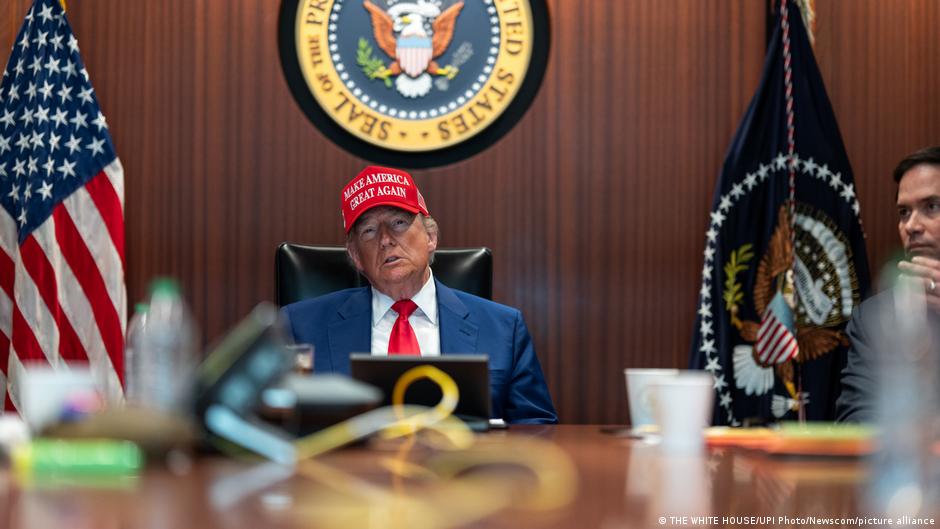
US President Donald Trump has stated that he will only enter into an agreement with Iran if Tehran strictly adheres to the United States' "red lines," with the foremost condition being that Iran must never acquire nuclear weapons. This stance was communicated by a White House representative following confidential consultations held on May 30.
Strategic Positioning and Negotiation Dynamics
After a two-hour meeting in the White House Situation Room with his senior advisers, President Trump emphasized that any deal with Iran must serve US interests and fully respect the administration's fundamental conditions. The representative noted, "President Trump will only conclude an agreement that benefits America and respects his 'red lines.'"
This firm posture underscores the administration’s cautious approach to the ongoing diplomatic efforts aimed at resolving the long-standing tensions surrounding Iran's nuclear ambitions.
"Iran must never possess nuclear weapons," the White House official stressed, highlighting the strategic imperative behind the United States’ negotiation stance.
Meanwhile, Iranian authorities have indicated that no final agreement has yet been reached. Esmail Baqaei, an official spokesperson for Iran’s Ministry of Foreign Affairs, stated that message exchanges between the two sides are continuing, but a definitive accord remains elusive.
Recent media reports, notably from Axios citing two unnamed US officials, suggest that US and Iranian negotiators have tentatively agreed on a framework deal aimed at conflict resolution. However, the ultimate approval from President Trump is still pending, signaling that the administration retains significant leverage in shaping the final terms.
From a corporate strategy perspective, the president’s insistence on uncompromising red lines reflects an emphasis on maintaining strong leverage and reassessing alliance benefits before committing to terms that could impact geopolitical stability and US global standing.
The evolving negotiation landscape will require continuous assessment of risk, alignment of diplomatic objectives, and potential recalibration of enforcement mechanisms in any eventual agreement.