Trump Aims to Renew Nuclear Talks with Kim Jong Un at November APEC Summit
Former U.S. President Donald Trump plans to meet North Korean leader Kim Jong Un this fall to revive stalled nuclear negotiations.
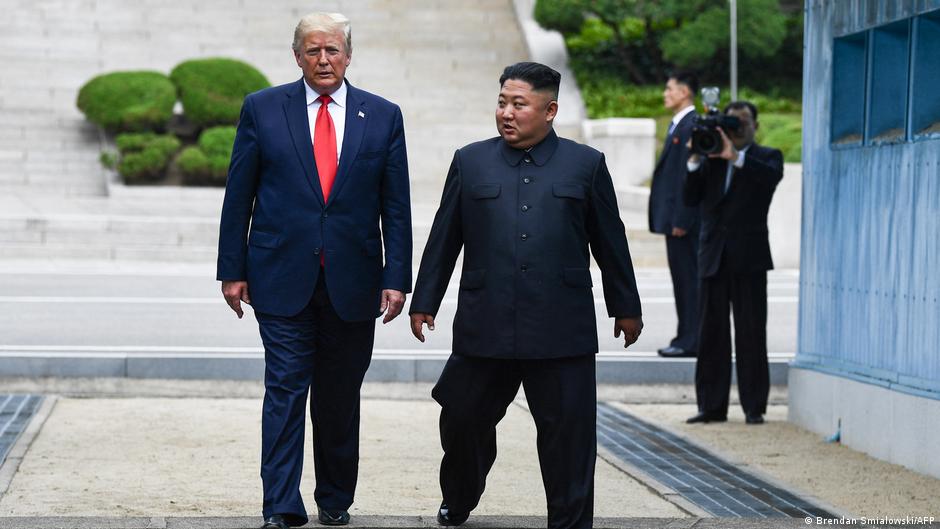
Former U.S. President Donald Trump is reportedly seeking to meet with North Korean leader Kim Jong Un during the upcoming Asia-Pacific Economic Cooperation (APEC) summit in November. The meeting would mark an attempt to restart dialogue on North Korea's nuclear program, which has significantly advanced since prior talks faltered.
Strategic Implications of the Proposed Summit
According to informed sources, the APEC summit in Shenzhen, China, may provide a suitable platform for this high-stakes meeting. While no official preparations have commenced, the prospect of dialogue signals a potential shift in the diplomatic landscape surrounding North Korea’s nuclear ambitions.
During Trump’s previous presidential term, he and Kim met three times, initiating a historic dialogue that ultimately stalled without dismantling North Korea's nuclear infrastructure. Since then, experts note a significant expansion of Pyongyang’s nuclear arsenal.
"Judging by the hundreds of demonstrated launch platforms and the increasing annual production of plutonium and highly enriched uranium, North Korea’s arsenal likely numbers in the hundreds," commented Jeffrey Lewis, a nuclear program expert at Stanford University’s Center for International Security and Cooperation.
Trump earlier indicated a willingness to reduce the scale of U.S.-South Korea military exercises and extended a proposal for a peace agreement with North Korea, signaling a strategic recalibration aimed at facilitating denuclearization talks.
In 2025, Trump had also expressed interest in engaging Kim during a planned Asian tour. Though Pyongyang showed openness to discussions, logistical challenges prevented the meeting. Trump later suggested that such a summit could overshadow scheduled talks with Chinese President Xi Jinping in South Korea.
The evolving situation presents key considerations for corporate and geopolitical stakeholders, as renewed diplomacy could affect regional stability, trade relations, and investment climates within Northeast Asia. Businesses with exposure in the region should monitor developments closely, given the potential impacts on supply chains and international markets.