Russia’s Renewed Missile and Drone Strikes on Ukraine Cause Civilian Casualties and Infrastructure Damage
Massive Russian attacks on Ukrainian cities result in fatalities, injuries, and power outages amid escalating conflict.
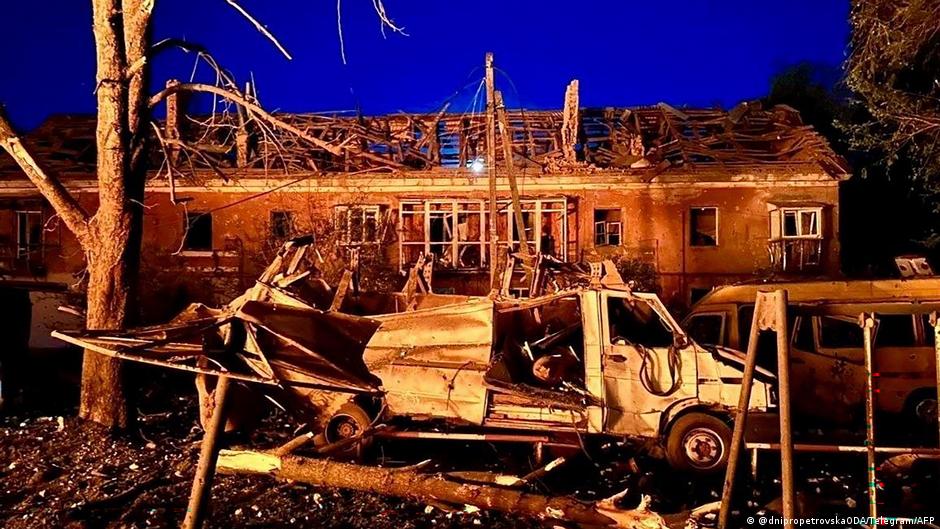
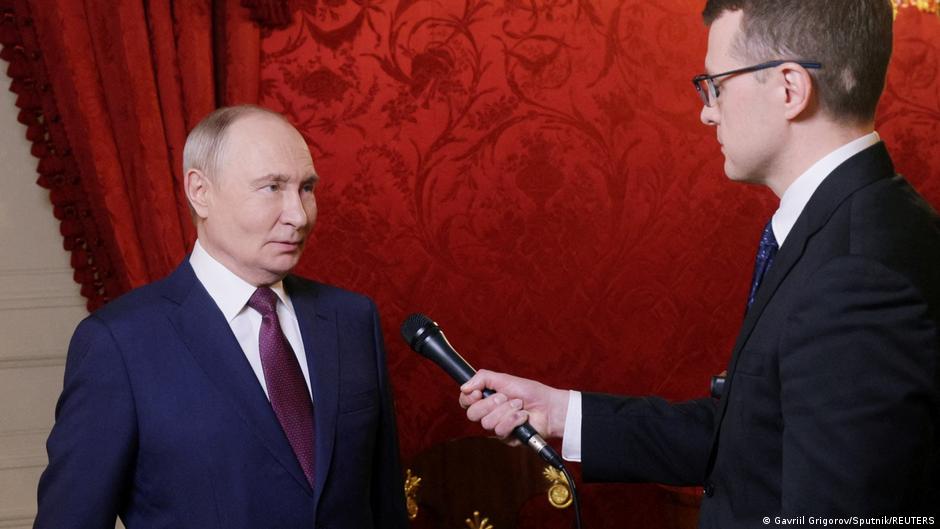
In the early hours of June 2, 2024, Russian forces launched a series of coordinated missile and drone attacks across multiple Ukrainian cities, leading to civilian deaths, injuries, and significant infrastructure damage. These strikes come shortly after Russian President Vladimir Putin characterized recent Ukrainian military actions as elevating the war to a "new level." Ukrainian officials had previously warned of a potential large-scale Russian offensive.
Overview of the June 2 Attacks
According to the Ukrainian Air Forces, the Russian military employed a combination of ballistic missiles and unmanned aerial vehicles to target urban areas. Notably, the Russian forces launched "Kalibr" cruise missiles from the Caspian Sea region, signaling a strategic attempt to extend their operational reach and pressure Ukraine's critical urban centers.
The Ukrainian capital, Kyiv, suffered multiple hits. Vitali Klitschko, the mayor of Kyiv, reported four fatalities, 51 injuries, and 35 hospitalizations. Power outages affected three districts of the city. Timur Tkachenko, head of the Kyiv City Military Administration, detailed an incident in the Podilskyi district where debris from a downed missile struck a residential rooftop, igniting a fire and shattering windows.
In Dnipro, the regional governor, Oleksandr Ganja, confirmed five deaths, including a 73-year-old woman, and 25 injuries. One missile struck a residential area, causing a fire and exacerbating humanitarian concerns in the city.
Kharkiv also faced consequences of the attacks, with six individuals wounded, including an 11-year-old girl, according to the local military administration leader, Ihor Terekhov. Authorities continue to monitor the situation as debris from missiles and drones fall in various locations, complicating civilian safety and emergency response efforts.
"The latest strikes represent a dangerous escalation in Russia's campaign, targeting civilian infrastructure and residential areas," said a Ukrainian defense analyst.
Context and Strategic Implications
These attacks follow a recent statement by President Putin on June 1, where he referenced a Ukrainian strike against the city of Starobilsk in the annexed Luhansk region as introducing a "new quality" to the conflict. The Starobilsk strike partially destroyed a local college, reportedly killing 21 students according to occupation authorities, though these figures remain contested and politicized.
Ukrainian President Volodymyr Zelensky had preemptively warned about the possibility of intensified Russian offensives on Ukrainian cities, reflecting heightened tensions and an evolving battlefield dynamic. This anticipation proved accurate with the June 2 missile and drone raids.
The attacks bear resemblance to the significant strike on May 24, when Russian forces targeted Kyiv and its surrounding region with advanced missile types, notably the "Oreshnik" missile, used by Russia for the third time in that operation. That assault resulted in two deaths and approximately 80 injuries.
Business and Strategic Analysis
For businesses operating in Ukraine and international investors monitoring the region, these developments underscore the ongoing volatility and operational risk. Infrastructure damage, power outages, and civilian casualties disrupt supply chains, workforce stability, and local markets. The repeated use of advanced missile technology by Russian forces signals a calculated approach to apply maximum pressure on Ukraine’s urban and industrial hubs, which could prolong the conflict and impede economic recovery.
In terms of corporate strategy, enterprises with assets or operations in Ukraine must prioritize robust risk management frameworks, including contingency planning for asset protection and employee safety. Multinational companies might consider accelerating diversification of supply chains and exploring alternative markets to mitigate exposure.
The conflict’s trajectory also influences regional geopolitical alignments and investment flows. Heightened military activity may prompt further sanctions or countermeasures, affecting trade and capital movement. Therefore, strategic decision-making requires continuous monitoring of military developments, political statements, and humanitarian impacts.
In summary, the June 2 missile and drone strikes mark a significant escalation in the ongoing conflict, impacting civilian populations and complicating Ukraine’s economic landscape. Businesses and policymakers must adapt to the evolving security environment to navigate challenges and support resilience efforts.