Russian Missile and Drone Strike on Kyiv Results in Civilian Casualties and Infrastructure Damage
Russian forces launched a concentrated missile and drone attack on Kyiv, causing multiple civilian deaths and damaging residential and strategic infrastructure.
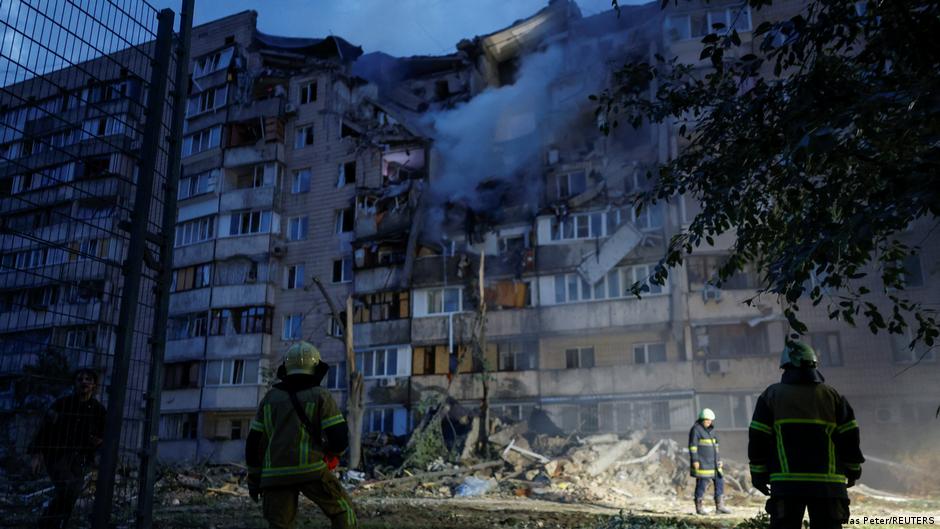
In the early hours of July 6, Russian military forces executed a concentrated missile and drone strike on Ukraine's capital, Kyiv, marking a significant escalation in hostilities amid ongoing conflict. The assault involved ballistic and cruise missiles alongside attack drones, targeting various districts across the city and its surrounding region.
Impact on Kyiv and Surrounding Regions
The strike resulted in at least seven civilian fatalities and 24 injuries, of which 14 individuals—including two children—were hospitalized, according to reports from Ukrainian city officials. Residential buildings in multiple districts sustained damage, with some structures partially destroyed and residents trapped on higher floors.
"At the level of the 7th to 9th floors, people were blocked," reported the mayor of Kyiv, Vitali Klitschko, referring to a partially destroyed residential building in the Podilskyi district. Rescue operations successfully evacuated 15 residents from the affected building, including three women and six children from the upper floors.
Further damage was reported in the Podilskyi, Darnytskyi, and Holosiivskyi districts, where residential homes and local infrastructure suffered significant impacts. Fires broke out in a five-story building in Holosiivskyi district, illustrating the broader human and structural toll of the assault.
Beyond Kyiv city limits, the Kyiv region also endured the strike's repercussions. The Bucha district recorded one fatality and ten injuries, six of which required hospitalization. Damage was noted in the Bucha, Vyshhorod, and Brovary districts, affecting private residences, enterprises, and other civilian infrastructure.
Emergency and operational services mobilized promptly to contain fires, conduct search and rescue, and provide medical assistance, underscoring the immediate response challenges faced by local authorities.
Strategic Context and Implications
The attack coincided with warnings from Ukrainian President Volodymyr Zelensky, who cited intelligence indicating Russia's preparation for a large-scale offensive. President Zelensky highlighted the timing of the assault as strategically aligned with geopolitical events, specifically referencing the U.S. Independence Day and the upcoming NATO summit in Ankara set for July 7-8.
"This is in Putin's style—immediately after America's Independence Day and just before the NATO summit," Zelensky stated, urging international partners to expedite supplies of missile defense systems to bolster Ukraine's air defense capabilities.
Concurrently, the southern city of Odesa experienced similar attacks, resulting in injuries and damage to private properties, emphasizing the broad geographic reach of the military operation.
From a corporate and strategic perspective, these attacks significantly impact the region's civilian infrastructure and economic environment. The destruction of residential buildings and damage to enterprises disrupts the local economy and could pose operational challenges for businesses dependent on regional stability and infrastructure integrity.
In addition, the increased scale and timing of these strikes indicate a potential strategic calculation by Russian military command to exert pressure ahead of key international diplomatic events. The heightened security risks and infrastructural damage may influence foreign investment decisions, supply chain dynamics, and the operational strategies of multinational corporations active in Ukraine and neighboring regions.
Given this evolving security landscape, corporate stakeholders and policymakers must monitor developments closely, adjusting risk management frameworks and contingency planning to mitigate adverse impacts on business continuity and regional economic stability.