Russian Forces Accused of Executing 345 Surrendered Ukrainian Soldiers Since 2022
The Ukrainian Human Rights Commissioner reports systematic war crimes against surrendered POWs, highlighting severe violations impacting conflict dynamics and international law.
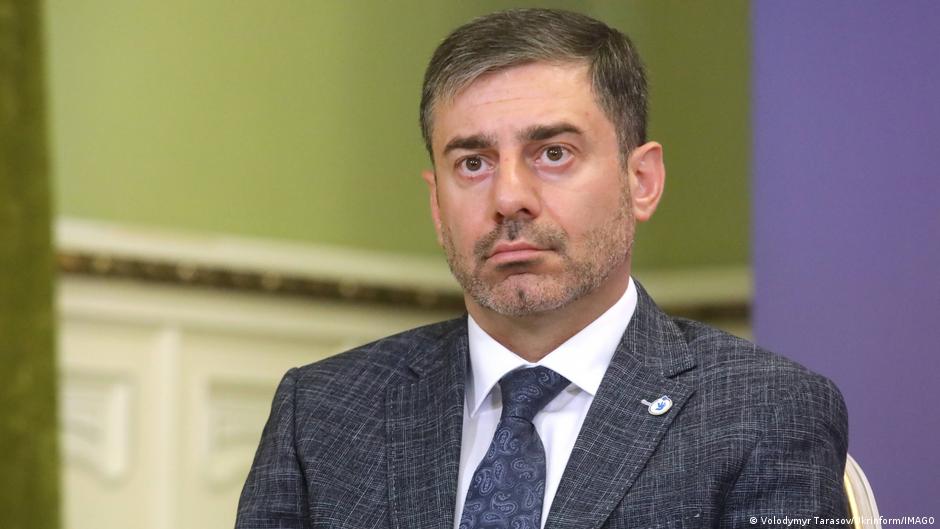
Since the escalation of the conflict in February 2022, at least 345 Ukrainian soldiers who surrendered on the battlefield have reportedly been executed by Russian military personnel, according to a statement by Ukraine's Parliamentary Commissioner for Human Rights, Dmytro Lubinets.
Speaking at a press conference on August 12, Lubinets detailed that the victims had clearly signaled their intention to surrender by disarming, raising their hands, or lying down, yet they were still shot at close range. This conduct, he emphasized, constitutes a grave violation of the Geneva Conventions and qualifies as the execution of prisoners of war—a war crime under international law.
Implications for Conflict and International Accountability
Lubinets' report extends beyond battlefield killings, revealing that Ukraine currently has verification for 375 deceased Ukrainians who had been recognized as prisoners of war by the International Committee of the Red Cross (ICRC). These individuals included both military personnel and civilians, whose bodies were returned to Ukraine by Russia, underscoring the human toll and ongoing suffering amid the conflict.
“All of them returned home on shields, meaning the Russian Federation handed over the bodies of 375 tortured Ukrainian citizens,” Lubinets stated.
The commissioner also exposed the widespread use of torture against Ukrainian prisoners held in Russia, citing almost every form listed in the Istanbul Protocol—an internationally recognized standard for identifying and documenting torture. Reported abuses include beatings, electric shocks, sexual violence, psychological pressure, intimidation using dogs, and staged executions.
According to Lubinets, 695 instances of torture and 860 cases of inadequate detention conditions have been documented. Alarmingly, 95% of Ukrainian prisoners have reportedly suffered systematic torture while in Russian custody. These revelations not only highlight severe humanitarian breaches but also raise significant concerns about Russia’s adherence to international humanitarian law and its effect on the broader conflict dynamics.
For analysts and corporate strategists monitoring the geopolitical environment, these disclosures underscore elevated risks related to sanctions, reputational damage, and legal accountability for entities engaged with Russian interests. The increasing documentation of war crimes intensifies international scrutiny and may compel further policy responses affecting global business operations and investment decisions involving Russia and its sectors.