Russian Drone Strikes on Ukrainian Cities Raise Security and Strategic Concerns
Recent drone attacks on residential areas in Zaporizhzhia and Konotop highlight evolving military tactics impacting urban infrastructure and civilian safety.
Recent Russian drone strikes targeting residential districts in Ukrainian cities have resulted in civilian casualties and significant damage to urban infrastructure, raising critical questions about the evolving security landscape and the broader strategic implications for regional stability and corporate risk management.
Impact of Drone Strikes on Urban Areas and Civilian Population
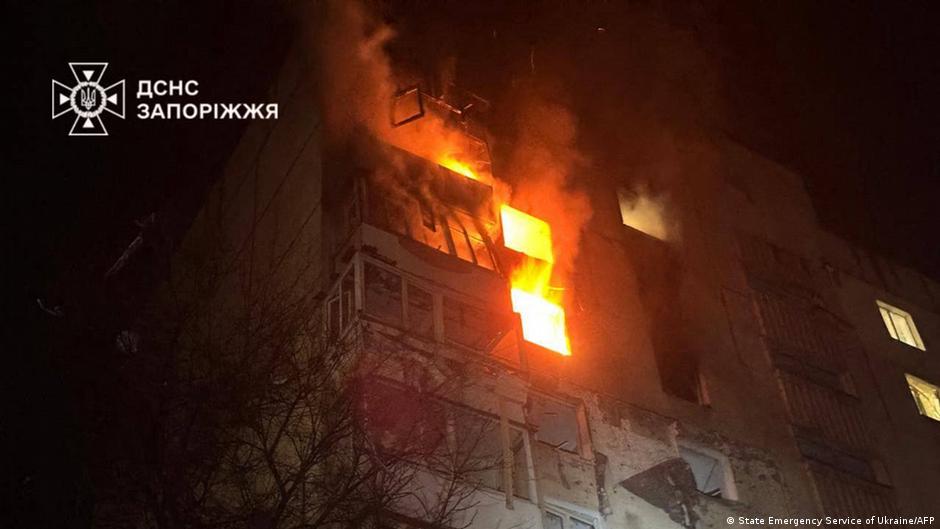
On June 4, Russian unmanned aerial vehicles (UAVs) struck residential areas in Zaporizhzhia and Konotop, causing the death of a woman and injuring multiple civilians, including children. In Zaporizhzhia, the attack damaged a multi-story residential building and nearby vehicles. According to local authorities, the strike resulted in one fatality—a 44-year-old woman—and 11 others sustaining injuries of varying severity.
Similarly, in Konotop, located in the Sumy region, drone strikes hit residential buildings and civilian infrastructure, leaving at least five people injured. The local mayor reported a private home caught fire during the assault, with two adults and three children inside at the time. All three children, along with their mother born in 1988, were hospitalized due to injuries sustained during the incident.
The consequences of these attacks extended beyond immediate physical harm. Local governance reported disruption to essential services, with Konotop experiencing water shortages and partial power outages, exacerbating the humanitarian impact and challenging municipal service continuity.
“The drone strikes have not only caused devastating physical damage but also disrupted critical civilian infrastructure, highlighting an evolving threat landscape that demands strategic reassessment,” a regional security analyst noted.
Additionally, in Kherson, a drone attack resulted in the death of a 75-year-old man, further illustrating the persistent threat posed by UAVs to civilian populations in contested areas.
Strategic and Corporate Implications
The use of drones in targeting urban and civilian areas underscores a shift in tactical approaches that complicate traditional defense strategies. For businesses, especially those operating in or near conflict zones, these developments carry significant implications:
- Operational Risks: The unpredictability of drone attacks increases risks for local operations, necessitating enhanced security protocols and contingency planning.
- Infrastructure Vulnerability: Damage to utilities like water and electricity supply impacts business continuity and employee safety.
- Supply Chain Disruptions: Regional instability can hinder logistics and distribution networks, affecting supply chains.
- Investment Climate: Ongoing hostilities and civilian harm can deter foreign investment and complicate mergers and acquisitions in affected regions.
From a strategic management perspective, corporations must integrate geopolitical risk assessments into their decision-making frameworks, emphasizing resilience and adaptability. The increasing deployment of UAVs in asymmetric warfare scenarios calls for investments in advanced surveillance, risk mitigation technologies, and collaboration with local authorities.
In sum, these drone attacks not only represent immediate humanitarian crises but also signal broader security challenges with direct implications for business strategy and regional economic stability.