Russian Combined Strike on Zaporizhzhia Inflicts Civilian and Infrastructure Damage
Russian military’s coordinated missile and aerial bomb assault causes casualties and disrupts key industrial and urban infrastructure in Zaporizhzhia.
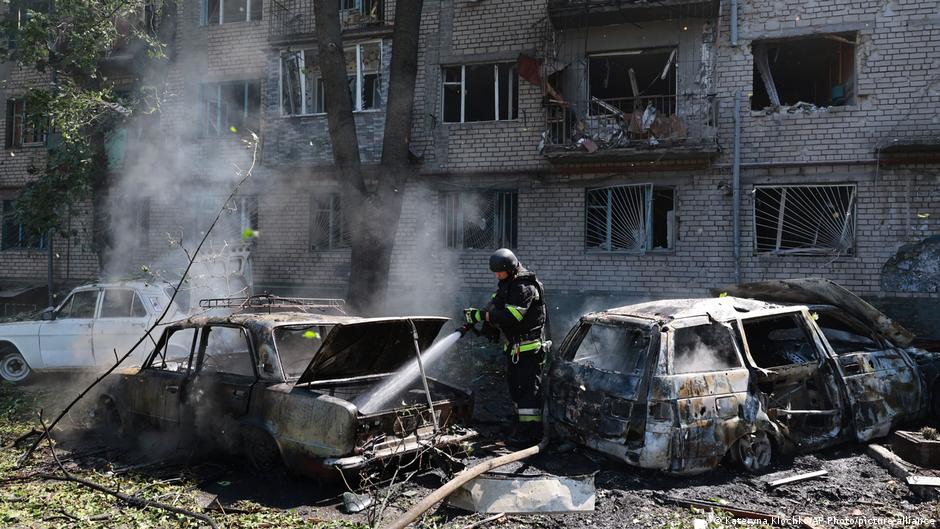
On August 11, the Russian Armed Forces launched a combined missile and aerial bomb attack on the city of Zaporizhzhia, resulting in significant damage and civilian casualties. According to Ivan Fedorov, head of the Zaporizhzhia Regional Military Administration, the strike killed five people and injured twenty others. The attack targeted industrial facilities, residential buildings, and vital infrastructure, causing power outages and fires.
Strategic Impact on Regional Infrastructure and Industrial Assets
The coordinated strike involved precision-guided missiles and aerial bombs, indicating a deliberate effort to disrupt critical infrastructure and industrial capabilities within the regional center. Damage was reported not only to residential areas but also to non-residential buildings and a garage cooperative, reflecting the broad scope of the assault. These attacks risk undermining regional economic stability and operational continuity for businesses dependent on the affected facilities.
"The city was hit by missiles and aerial bombs targeting industrial sites and infrastructure, resulting in fires and power cuts," stated Ivan Fedorov.
Video footage shared by regional authorities depicted burning buildings and vehicles, underscoring the extent of destruction and chaos inflicted. The power outage further complicated emergency response and recovery efforts, emphasizing the vulnerability of urban infrastructure to combined arms strikes.
In Kyiv, multiple air raid alerts were sounded overnight due to the threat of ballistic weapon deployment by Russian forces. At least one injury was reported in the Ukrainian capital, with medical teams dispatched to affected districts. This highlights the broader security challenges faced by urban centers amid escalating military actions.
Additionally, Vitaliy Dyakivnych, head of the Poltava Regional State Administration, reported drone debris from Russian UAVs falling on a multi-story residential building's roof in the Poltava district. Although no casualties or damage claims were made, the incident illustrates the expanding reach of unmanned aerial systems in the conflict and associated risks to civilian areas.
These developments follow prior daytime strikes on Zaporizhzhia involving guided aerial bombs, with continued UAV attacks resulting in at least 26 injuries among local residents. The ongoing use of diverse weapon systems reflects a tactical approach aimed at sustained pressure on regional centers through multi-domain operations.