Russian Airstrikes on Kramatorsk Raise Strategic and Economic Concerns amid Ongoing Conflict
A series of Russian aerial bombings in Kramatorsk highlights continuing regional instability impacting local infrastructure and economic prospects.
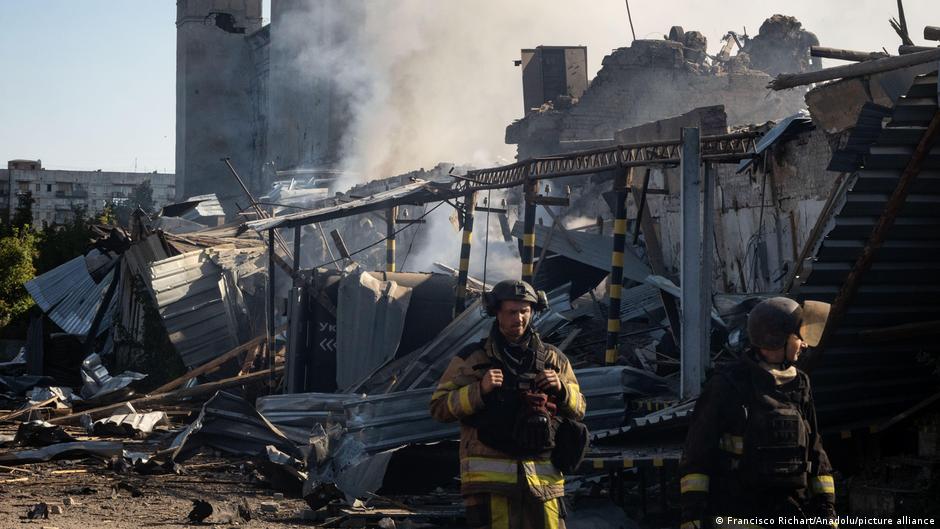
On the evening of August 13, Russian armed forces conducted multiple airstrikes targeting the city of Kramatorsk and the nearby urban-type settlement of Bilenke in Ukraine's Donetsk region. Preliminary reports indicate the use of aerial bombs, resulting in one fatality and 15 injuries, according to the regional military administration head, Vadym Filashkin.
The strikes occurred between 8:30 and 8:56 p.m. local time, comprising eight separate attacks on residential areas. In Kramatorsk, several multi-story residential buildings sustained damage, with at least one nine-story building partially collapsing and igniting fires. Emergency services continue to search for potential victims trapped under rubble.
Business and Strategic Implications of Persistent Conflict
Kramatorsk, positioned near the frontline, has repeatedly been subjected to Russian aerial bombardment, undermining regional stability and economic recovery. The persistent targeting of civilian infrastructure disrupts local businesses, deters investment, and exacerbates humanitarian challenges.
"The repeated strikes not only threaten lives but also severely impair the economic fabric of the city and surrounding areas," remarked a regional analyst.
Earlier incidents include the July 31 airstrike, where four aerial bombs struck Kramatorsk, causing one death and injuring 11, with fires affecting approximately 685 square meters of urban area. The day prior, five FAB bombs hit the city, including one that struck a residential high-rise, causing fires and injuring six. On July 20, six separate attacks on residential neighborhoods resulted in further casualties.
These ongoing attacks pose significant challenges to local governance and infrastructure management, forcing regional authorities to allocate substantial resources toward emergency response and rebuilding efforts. The unpredictability of such strikes further complicates long-term corporate planning and investment strategies in the area, impacting sectors ranging from real estate to manufacturing and services.
From a management perspective, companies operating in or near conflict zones like Kramatorsk face elevated operational risks, including workforce safety concerns, supply chain disruptions, and damage to physical assets. The conflict redefines competitive dynamics by shifting priorities toward resilience and crisis management.
Furthermore, the broader geopolitical tensions influencing these attacks have ripple effects on Ukraine’s economic environment, potentially affecting market confidence and foreign direct investment inflows.
As the conflict continues, stakeholders must weigh these multifaceted challenges in strategic decision-making, balancing immediate safety concerns with the pursuit of sustainable economic development in the region.