Russia Halts Azov-Don Canal Navigation After Ukrainian Drone Attacks Impact Grain Exports
Russian authorities suspend shipping through key Azov-Don canal indefinitely following drone strikes on vessels, disrupting critical grain transport routes.
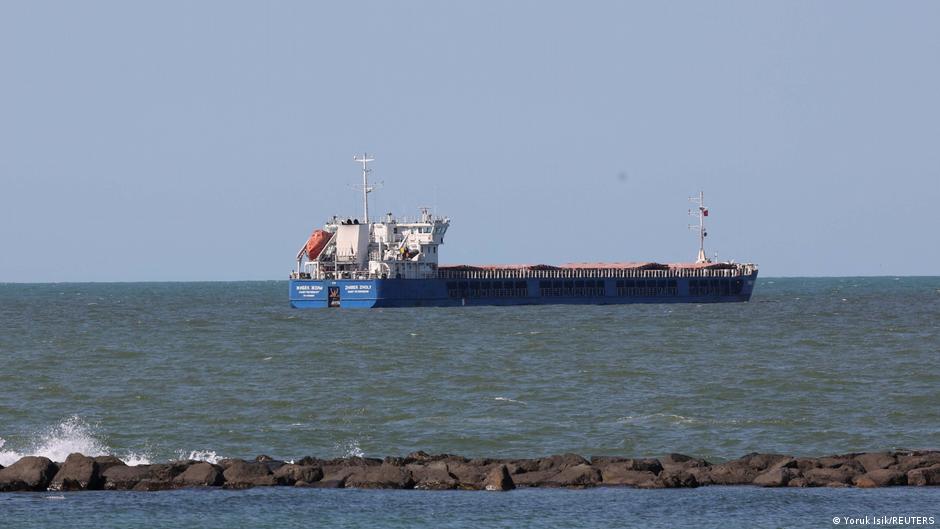
Russian border authorities have indefinitely closed the Azov-Don canal, a vital maritime artery connecting the Don River to the Sea of Azov, following a series of drone attacks on vessels in the area. The closure was communicated to shipping companies by the Russian Border Service, which operates under the Federal Security Service (FSB).
This move comes after Ukrainian armed forces announced that they had targeted at least 25 ships in the Sea of Azov using unmanned aerial vehicles (UAVs), with several vessels reportedly attacked multiple times. The majority of these were oil tankers identified as part of Russia's so-called 'shadow fleet' and subject to international sanctions due to Russia's full-scale invasion of Ukraine.
Strategic Impact on Grain Exports and Regional Shipping Routes
The Azov-Don canal is a crucial transportation route for Russian grain exports, linking major agricultural regions such as the Rostov and Krasnodar areas to maritime shipping lanes. The suspension of vessel passage through this canal disrupts established supply chains, raising concerns about export delays and increased logistical challenges.
In addition to the canal closure, sources indicate that ship transit through the Kerch Strait—the maritime passage connecting the Black Sea and the Sea of Azov—has also been suspended, further constraining regional navigation and compounding transport bottlenecks.
"The cessation of ship movements along the Azov-Don canal signals a significant escalation in maritime risk, compelling exporters to seek alternative, costlier routes or postpone shipments," maritime analyst Elena Petrovna commented.
While Russian ministries overseeing agriculture and transport have not publicly commented on the closures, local officials have acknowledged drone strikes on vessels. The governor of the Rostov region reported minor damage to multiple tankers in the Taganrog Bay, underscoring the operational hazards facing commercial shipping in the conflict zone.
The restriction on navigation has already influenced commodity markets. Following the news of the attacks and subsequent suspension of navigation, wheat prices on the Euronext exchange surged by over 4% within a single day, marking the highest level observed in six weeks. This price movement reflects growing market concerns regarding the stability of Russian grain exports amid the ongoing conflict.
Broader Implications for Corporate Strategy and Regional Trade
The sudden closure of the Azov-Don canal presents significant challenges to Russian exporters and shipping companies. Firms reliant on this corridor must reassess logistics strategies, potentially rerouting shipments through alternative Black Sea ports, which may incur higher costs and longer transit times.
Moreover, the targeting of vessels tied to Russia's sanctioned 'shadow fleet' adds complexity to maritime operations, as companies must navigate heightened security risks and intensified international scrutiny. This environment pressures maritime and export firms to adapt rapidly to evolving security conditions, balancing operational continuity with regulatory compliance.
As the situation develops, stakeholders across the Black Sea grain supply chain will closely monitor how Russian authorities manage these closures and whether diplomatic or security measures emerge to restore safe navigation. Meanwhile, competitors in global grain markets may leverage these disruptions to capture market share, potentially reshaping the competitive landscape in agricultural exports.