Russia Continues Military Strikes on Ukraine Despite Unilateral Ceasefire Proposal
Russian forces launched attacks on multiple Ukrainian regions despite Kyiv's call for a ceasefire starting May 6
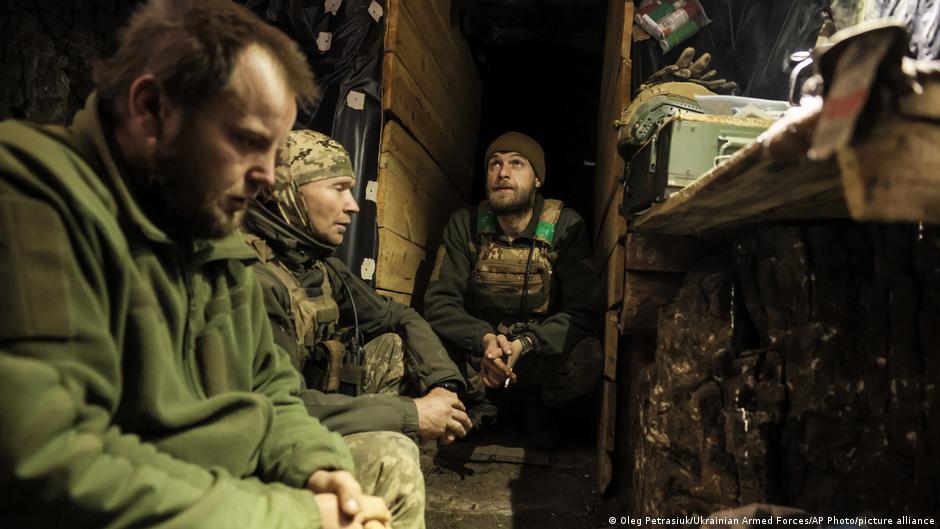
On the night of May 6, Ukraine initiated a unilateral ceasefire proposed by President Volodymyr Zelensky as an alternative to Russia's announced temporary truce for May 8-9. Despite this gesture aimed at de-escalation, Russian armed forces continued their offensive operations against several Ukrainian regions.
Strategic Implications of Continued Russian Attacks
The Ukrainian military reported multiple Russian strikes targeting critical infrastructure and regions. In Zaporizhzhia Oblast, a significant industrial facility was attacked overnight, according to Ivan Fedorov, head of the local military administration. Ukrainian Air Force data indicated the use of cruise missiles in this strike, with similar launches recorded in Kharkiv, Sumy, and Donetsk oblasts. Russian drones were also sighted over Kharkiv and Dnipropetrovsk oblasts, signaling a continued strategic pressure on Ukraine’s eastern and central areas.
"We view human life as vastly more valuable than any commemorative occasion," President Zelensky stated when proposing the ceasefire, urging Russia to reciprocate.
Despite Kyiv’s willingness to halt hostilities from midnight on May 6, Moscow maintained offensive operations, reflecting a calculated approach to leveraging military pressure while projecting a conditional willingness for truce. Earlier announcements from the Russian Ministry of Defense declared a unilateral ceasefire limited to May 8 and 9, coinciding with Victory Day celebrations. The statement included a stark warning of massive retaliatory missile strikes on Kyiv if Ukraine disrupted the festival.
Ukrainian leadership, however, rejected Russia's limited truce window and emphasized the importance of a genuine cessation of hostilities, even offering to extend the ceasefire contingent on Russia’s compliance. Kirill Budanov, head of the Ukrainian Presidential Office, reaffirmed Kyiv’s readiness to maintain the truce provided Russia ceases its attacks.
Management and Messaging in the Conflict Context
From a corporate strategy perspective, the contrasting approaches highlight divergent management styles and communication tactics. Ukraine’s unilateral ceasefire proposal reflects a strategic move to position Kyiv as the party seeking peace and to garner international support by emphasizing humanitarian values. Conversely, Russia’s selective truce and continued strikes signal a tactical decision to maintain military leverage while controlling the narrative around Victory Day.
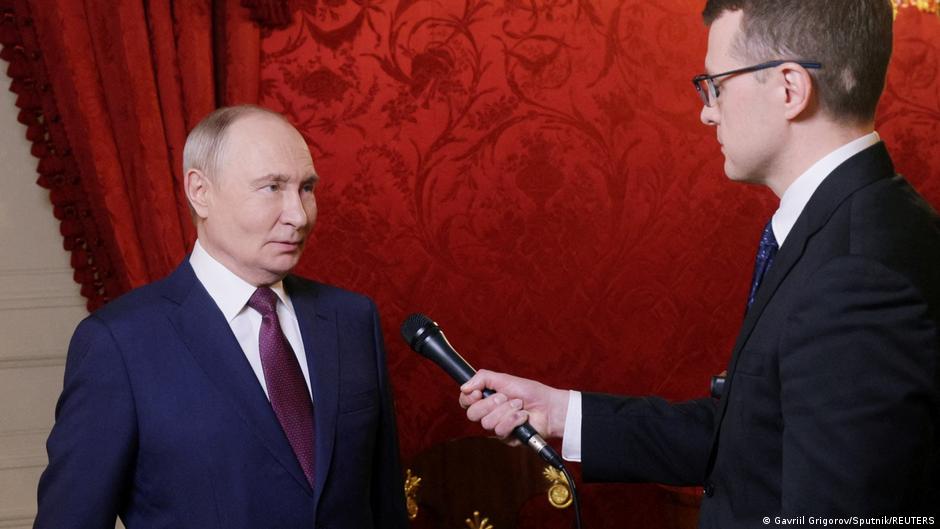
Earlier reports that Russian President Vladimir Putin first suggested a ceasefire during a call with former U.S. President Donald Trump introduce additional geopolitical context to the timing of Moscow’s declarations. These interactions underscore the complex interplay between diplomatic signaling and on-ground military strategy.
Further complicating the dynamics, pro-Russian authorities in annexed Crimea reported casualties resulting from Ukrainian drone attacks on the city of Dzhankoy. The incident, resulting in five civilian fatalities, demonstrates the expanding operational scope of Ukrainian forces and the increasing risks to Russian-controlled territories.
Overall, the continuation of Russian strikes despite Ukraine’s ceasefire proposal illustrates the challenges of negotiating temporary pauses in conflict where strategic objectives and symbolic dates are intertwined. For business analysts and strategists monitoring the conflict, these developments underscore the unpredictable nature of operational decision-making in wartime and the importance of assessing both military actions and public messaging in understanding broader competitive dynamics.