Putin Backs Expanded Drone Defense Role for Medically Unfit Volunteers
The proposal signals another attempt by Moscow to stretch military manpower while avoiding a politically costly new mobilization.
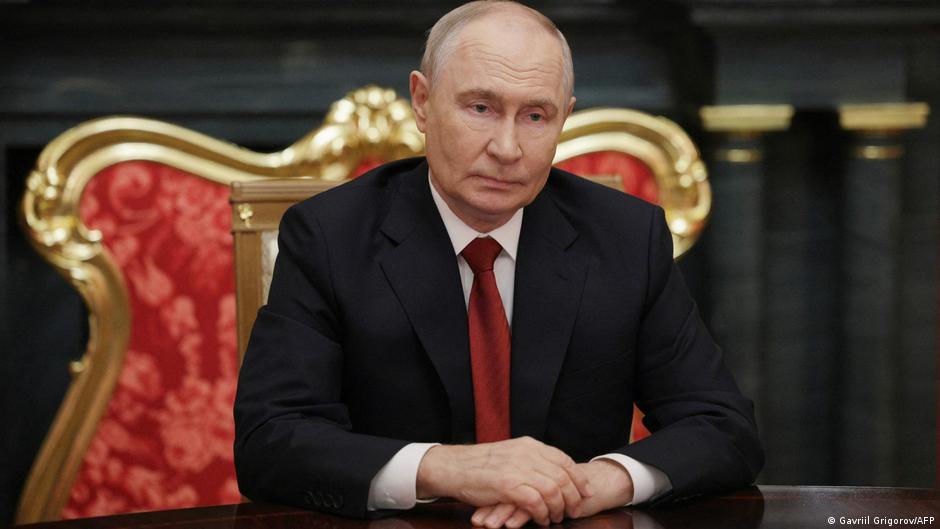
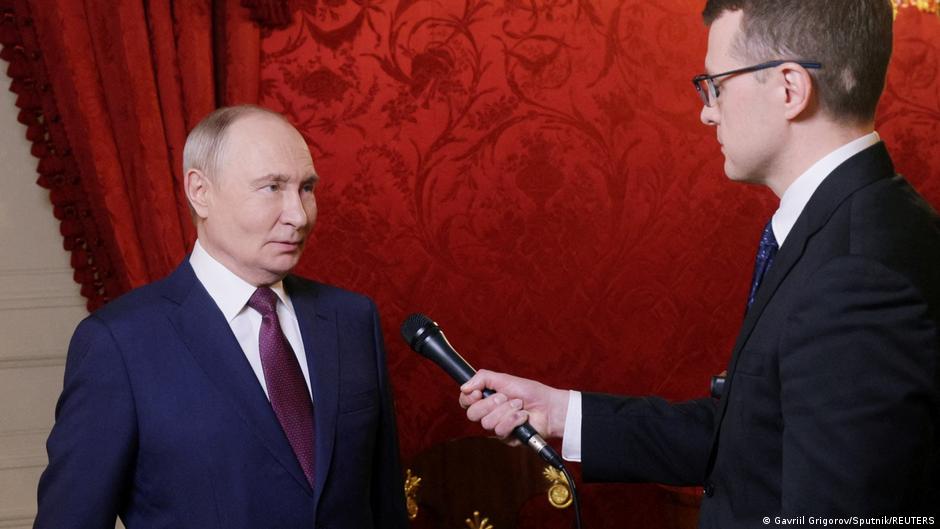
Russian President Vladimir Putin has endorsed a proposal to allow volunteers deemed completely unfit for military service to take part in Russia’s war effort against Ukraine, specifically in rear-area roles protecting facilities from drone attacks. The idea, advanced by pro-Kremlin military correspondent Yevgeny Poddubny, points to a widening search for manpower as Moscow tries to sustain its campaign without formally announcing a new wave of mobilization.
The proposal was raised at a meeting of the leadership of the ruling United Russia party. According to media reports, Poddubny said the request had come from fighters who received the most severe medical classification as a result of combat wounds. He argued that such people could still perform tasks in regional units, including helping repel Ukrainian drone attacks away from the front line. Putin supported the proposal at the same meeting.
For the Kremlin, the business and management logic is clear: rear-area drone defense has become a growing operational burden, while the political cost of broader mobilization remains high. By creating a path for medically disqualified volunteers to serve in limited functions, Moscow could free more capable personnel for combat roles, distribute responsibility to regional structures and reduce pressure on the formal recruitment pipeline.
A Manpower Strategy Built Around Avoiding Mobilization
The medical category at the center of the proposal is Category “D,” used in Russia for citizens considered absolutely unfit for military service. It is assigned in cases involving severe chronic illnesses, including active tuberculosis, HIV infection, cancer, schizophrenia, missing limbs, blindness or deafness. Citizens in this category are removed from military registration, and their personal files are sent to the archive. Under current Russian law, they cannot sign a contract with the Defense Ministry.
That legal barrier makes Putin’s endorsement strategically significant. It suggests the Kremlin is prepared to examine institutional workarounds for categories of citizens previously excluded from the military system. The immediate justification is defensive: protecting rear facilities from drones rather than sending medically unfit individuals to the front line. But as a management decision, it expands the pool of people who can be organized, tasked and potentially integrated into the state’s war infrastructure.
Poddubny said the proposal came from fighters who received Category “D” after combat wounds and who could perform tasks in regional units away from the front line.
The move also fits a broader pattern of decentralizing war-related obligations. Regional officials have already been under pressure to meet recruitment targets. If rear-area drone defense becomes more dependent on regional units staffed by volunteers with restricted medical status, Moscow could push more responsibility onto local administrations while keeping the formal national mobilization threshold unchanged.
Political Messaging Versus Recruitment Pressure
Putin’s support for the proposal comes days after he again addressed rumors of a new mobilization wave in Russia. Speaking at the plenary session of the Eastern Economic Forum in Vladivostok on September 3, he said there was no scenario requiring mobilization and described the rumors as an information attack by the enemy ahead of State Duma elections, intended to influence the result. It was his second recent statement on the subject. After the Shanghai Cooperation Organization summit in Bishkek, he dismissed such concerns as “dog nonsense.”
The official message is therefore designed to reassure the public that the Kremlin does not plan another disruptive call-up. Yet the operational signals point in another direction: continued recruitment, regional pressure and the search for additional categories of personnel. The partial mobilization decree issued in 2022 has not formally been canceled and remains in force. Russians have reported summonses, military training notices and intensified recruitment efforts for the war against Ukraine.
Pro-war Z-channels reported as early as July that compulsory conscription to the front could affect 1.2 million Russians and could be accompanied by informal arrangements with neighboring countries, under which men of draft age would be unable to leave for adjacent states. Those claims remain politically sensitive, but their circulation reflects the market of expectations around the Kremlin’s next manpower move.
Operational Demand From Drone Warfare
The focus on drone defense is not incidental. Ukrainian unmanned aerial vehicle attacks on Russian rear infrastructure have forced Moscow to rethink protection of facilities away from the immediate battlefield. Guarding such sites requires manpower, coordination, surveillance and rapid response capacity across a wide geography. For any large organization, this is a resource-allocation problem; for the Russian state, it is also a political-risk problem.
Using medically unfit volunteers in regional drone-defense units could be presented as a narrow, defensive measure. It would allow authorities to frame participation as voluntary, localized and distinct from front-line combat. That framing matters because a broad mobilization order would carry economic and social consequences, including labor-market disruption, household anxiety and renewed pressure on local governments and employers.
At the same time, the health conditions covered by Category “D” raise major questions about suitability, liability and command responsibility. The category exists precisely because those assigned to it are considered unable to serve. Integrating them into any war-related function would require either legal changes, administrative exceptions or a parallel structure outside the standard Defense Ministry contract system.
The pressure behind such measures is substantial. In August, according to the Institute for the Study of War, total Russian troop losses exceeded 40,000 people for the second consecutive month. Separately, the Financial Times reported, citing sources, that the Kremlin and Russia’s Defense Ministry had instructed Russian regions to recruit 409,000 contract soldiers by the end of 2026 for participation in the war. To meet that target, authorities are increasing pressure on local officials.
Seen through a corporate-strategy lens, Moscow is attempting to preserve strategic optionality. It wants to maintain force generation, protect rear assets and meet recruitment targets while avoiding the public shock of declaring another mobilization. The proposal to involve Category “D” volunteers is a small but telling example of that approach: expand the addressable manpower base, redefine roles around operational bottlenecks and shift implementation into regional channels.
Whether the idea becomes law or remains a political signal, it underscores the tightening constraints on Russia’s war-management model. The Kremlin is trying to balance battlefield requirements, domestic political control and administrative capacity. Drone defense may be the immediate rationale, but the larger issue is how far the state is willing to stretch existing legal and medical categories to keep the war supplied with people.