Over 40 Nations Call for Prior Notification of Ballistic Missile Tests to Enhance Global Security
More than 40 countries urge pre-launch notifications of ballistic missile tests to reduce risks and build trust among nuclear powers.
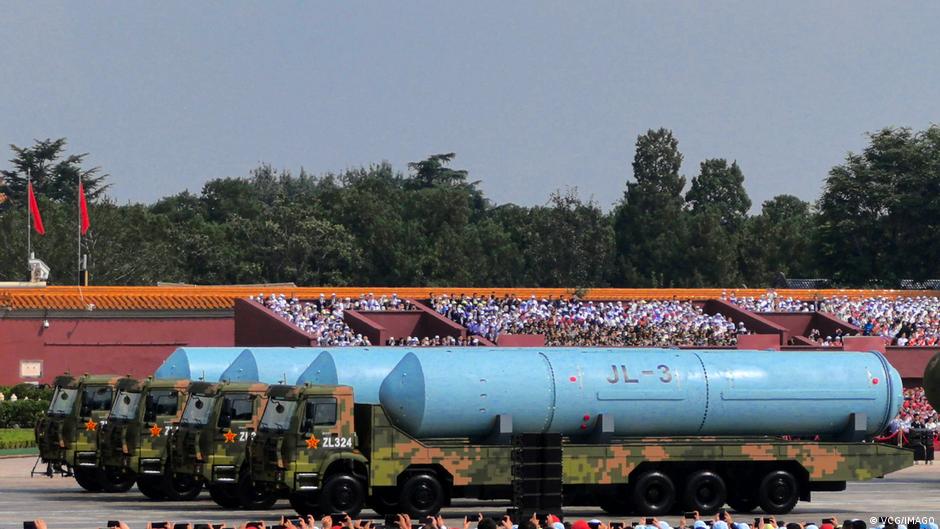
In a joint declaration released on August 11, over 40 countries, including the United States, South Korea, and Japan, have highlighted the security risks posed by ballistic missile tests conducted without prior notification. The statement strongly advocates for a standardized notification protocol requiring at least 24 hours' advance warning before missile launches, particularly focusing on intercontinental ballistic missiles (ICBMs), submarine-launched ballistic missiles (SLBMs), and carrier rockets.
Strategic Implications of Notification Protocols
The declaration emphasizes that instituting transparent and orderly notification mechanisms does not hinder a nation's military development or operational needs. Instead, such protocols serve to mitigate miscalculations and misunderstandings that could escalate tensions, enhancing trust and reaffirming global commitment to security.
"Orderly, transparent notification mechanisms reduce the risk of miscalculations and reflect a shared commitment to security among nations," the statement reads.
According to the document, notifications should detail the missile class, launch area, and intended trajectory. This level of transparency aims to prevent unforeseen escalations and foster a predictable security environment.
Context: Recent Missile Launches and Security Concerns
The statement alludes to recent missile tests in the Pacific Ocean where notification standards were reportedly violated, though it stops short of naming China. Earlier in July, China conducted a strategic missile test from a nuclear submarine in the Pacific with limited prior notification, informing only a few countries shortly before the launch.
Adding to regional tensions, on the night of August 12, North Korea conducted its eleventh ballistic missile test of the year, according to authorities in Tokyo and Seoul. The missile was launched from Wonsan on North Korea's east coast and flew eastward.
South Korean military officials have announced heightened surveillance and vigilance in anticipation of potential further tests. Japan’s Ministry of Defense estimates the missile reached a maximum altitude of approximately 90 kilometers and traveled less than 700 kilometers before falling into the sea roughly ten minutes after launch.
Implications for Corporate and Geopolitical Stakeholders
For multinational corporations and investors, particularly in sectors such as defense, aerospace, and insurance, these developments underscore the complex interplay between military strategy and regional stability. Companies operating in or engaging with countries involved in or affected by these missile activities should closely monitor policy shifts and geopolitical risk assessments.
The push for a formalized missile test notification system could influence defense procurement strategies, alliance dynamics, and international regulatory frameworks, potentially opening avenues for new cooperation or intensifying competitive pressures.