Israeli Air Force Strikes Targets in Iran Amid Rising Regional Tensions
Israel responds to Iranian missile attacks with targeted airstrikes as US pursues potential peace deal with Tehran
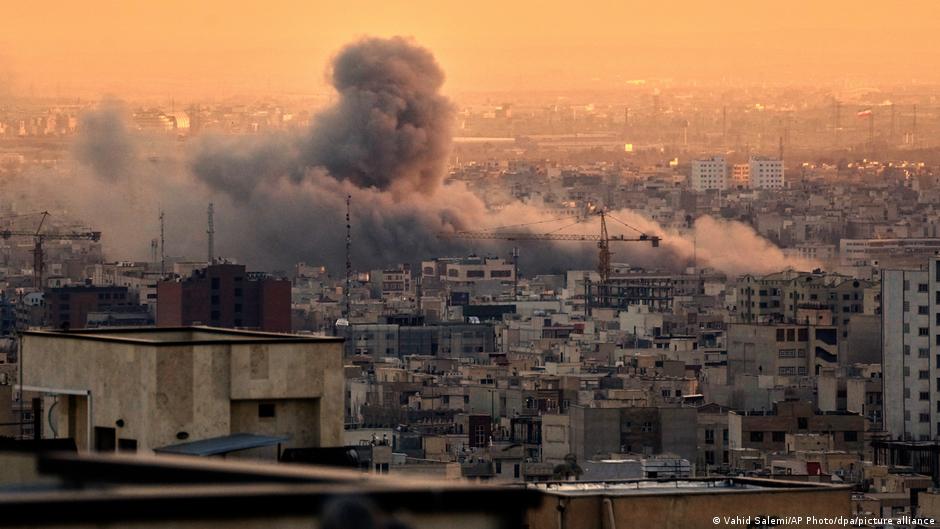
On June 8, the Israeli Defense Forces (IDF) conducted airstrikes on targets located in the western and central regions of Iran. The operation was a direct response to missile attacks launched against Israel by the Islamic Republic of Iran the previous evening. The IDF disclosed the air raids via their official social media channels but did not specify the exact locations or nature of the targets struck.
The prior day saw heightened alert across Israel, with authorities urging civilians to seek shelter in protected areas amid missile threats. Schools nationwide were closed as a precautionary measure to safeguard the population, demonstrating the seriousness of the security situation.
Escalating Military Exchanges and Strategic Messaging
Iran characterized Israel's initial strike as a "warning" following an Israeli attack earlier the same day on facilities associated with the radical Shiite movement Hezbollah in Lebanon. Israeli Prime Minister Benjamin Netanyahu and Defense Minister Israel Katz framed the IDF’s operations as targeting "terrorist headquarters" in Beirut, emphasizing the strategic intent to undermine Iran-backed proxy networks in the region.
"The purpose of the army's actions was to neutralize terrorist command centers," stated Israeli leadership, highlighting a focus on long-term security objectives beyond immediate retaliation.
This tit-for-tat exchange between Iran and Israel unfolds amid ongoing diplomatic initiatives, notably from the United States. President Donald Trump has reiterated his administration's goal of securing a peace agreement with Tehran, signaling a willingness to negotiate under terms favorable to Washington.
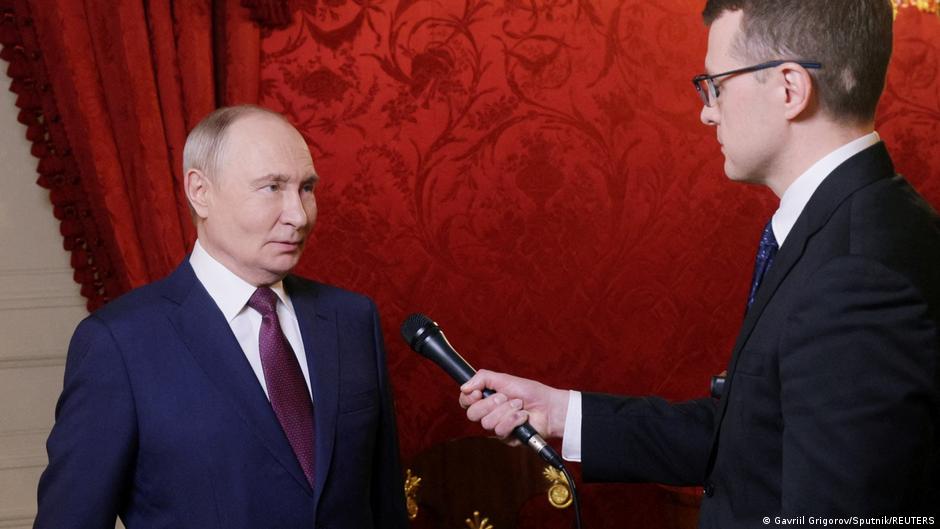
In a June 7 interview with the Financial Times, Trump asserted that Israeli Prime Minister Netanyahu would accept any peace deal approved by the United States, underscoring US primacy in decision-making. "I make all the decisions. He [Netanyahu] doesn’t make decisions," Trump said, reflecting the US's dominant role in shaping regional diplomacy.
Reports from late May suggested preliminary consensus between Iranian and US negotiators on a framework to resolve the ongoing military conflict that has persisted since late February. However, Trump has yet to formally endorse any agreement, maintaining stringent conditions including Iran’s abandonment of nuclear weapons ambitions.
Meanwhile, Iranian leadership has publicly stated that no final accords have been reached, signaling a cautious stance toward diplomatic engagement and indicating that military actions may continue to serve as leverage in ongoing negotiations.
Implications for Corporate and Strategic Stakeholders
The recent escalation brings heightened uncertainty to the Middle East's geopolitical climate, with implications for international businesses and investors engaged in the region. Energy markets, supply chains, and regional trade corridors face potential disruption amid fluctuating security conditions.
Companies with interests in defense, infrastructure, and risk management will be closely monitoring developments, while government relations and strategic planning functions must adapt to the rapidly evolving environment. The interplay between military actions and diplomatic efforts underscores the complexity confronting policymakers and business leaders alike.