Hungary Reinstates Ban on Ukrainian Agricultural Imports Amid Political Transition
Hungary's government restores import restrictions on Ukrainian agricultural products following a procedural lapse during a change in administration.
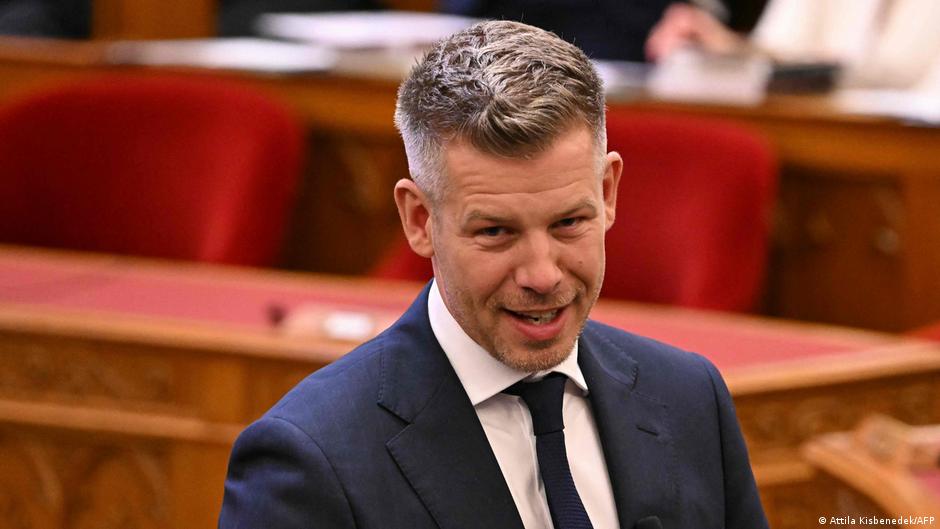
Hungary's government has announced the reinstatement of its ban on the import of agricultural products from Ukraine, a measure initially introduced in April 2023 but temporarily lifted due to a procedural oversight linked to the recent change in government. The announcement was made by Hungary's new Prime Minister Péter Medgyessy on the evening of May 22.
Background and Strategic Implications
The import ban was first imposed by the previous administration under Prime Minister Viktor Orbán as part of a broader set of emergency measures aimed at protecting domestic farmers from the influx of Ukrainian agricultural produce. The ban covered approximately 20 categories of products, including beef, pork, poultry, eggs, grain, flour, sunflower and rapeseed oils, with plans to possibly include honey in the restrictions.
However, the embargo was inadvertently lifted on May 14, 2026, when a procedural technicality coincided with the government transition. The temporary cancellation sparked immediate concern within Hungary's agricultural sector, prompting rapid governmental action to restore the ban. Agriculture Minister Szabolcs Bona emphasized that Hungarian authorities are committed to preventing Ukrainian imports from threatening the livelihoods of local farmers.
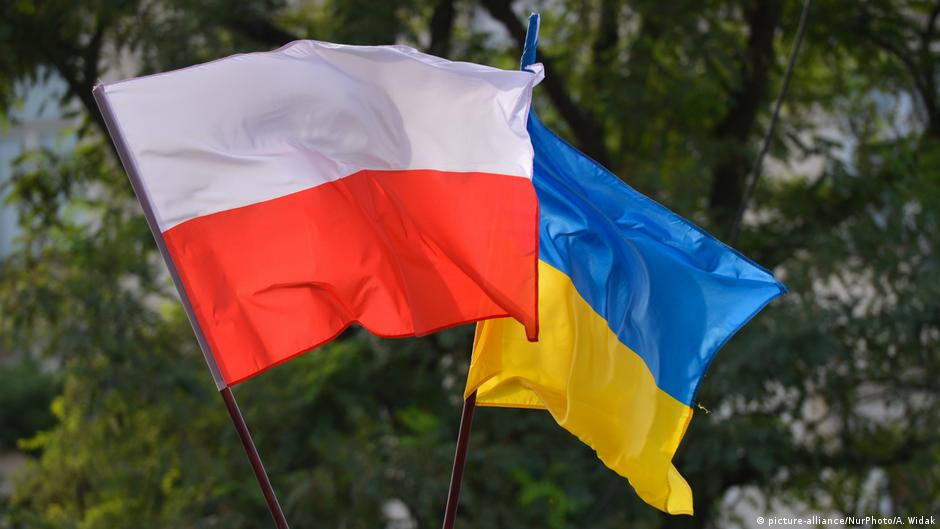
This move comes against the backdrop of the European Union's 2022 decision to waive tariffs on Ukrainian agricultural products to support Ukraine's economy following the full-scale Russian invasion. While well-intentioned, this policy has faced resistance from farmers in neighboring EU member states such as Hungary, Poland, and Slovakia, who have argued that the influx of Ukrainian goods undercuts their competitiveness. Consequently, these countries introduced temporary import restrictions to balance EU solidarity with domestic economic interests.
Revocation of Hungary's Withdrawal from the ICC
In a separate but significant policy reversal, Prime Minister Medgyessy announced that Hungary will retract its declaration of withdrawal from the International Criminal Court (ICC), which had been submitted by the previous government in April 2025. The withdrawal was expected to take effect approximately a year later.
This decision to rescind the exit reflects a strategic recalibration in Hungary's engagement with international institutions. The ICC, headquartered in The Hague, prosecutes crimes including genocide, war crimes, and crimes against humanity, and Hungary has been a party to the Rome Statute since ratifying it in 2001.
Notably, the initial announcement of Hungary's withdrawal coincided with a visit by Israeli Prime Minister Benjamin Netanyahu, allowing him to avoid arrest despite an outstanding ICC warrant. The latest reversal signals a renewed commitment to the ICC and may influence Hungary's diplomatic posture within the EU and on the global stage.
"We will not allow Ukrainian imports to threaten the means of subsistence of Hungarian farmers," said Agriculture Minister Szabolcs Bona.
These developments underscore Hungary's delicate balancing act between supporting Ukraine amid ongoing regional conflict and safeguarding national agricultural interests. The swift restoration of import restrictions and renewed dedication to international legal frameworks reflect calculated management decisions aimed at maintaining both domestic stability and international alignment.