Drone Attacks on Crimea Signal Escalation in Regional Security and Infrastructure Risks
Recent drone strikes targeted strategic infrastructure in Crimea, reflecting heightened military tensions and posing challenges to regional asset protection.
On the night of June 20-21, a series of drone attacks launched by the Armed Forces of Ukraine targeted critical infrastructure on the Russian-annexed Crimean Peninsula, marking an escalation in the ongoing conflict and raising concerns about security and asset vulnerability in the region.
Strategic Impact and Infrastructure Damage
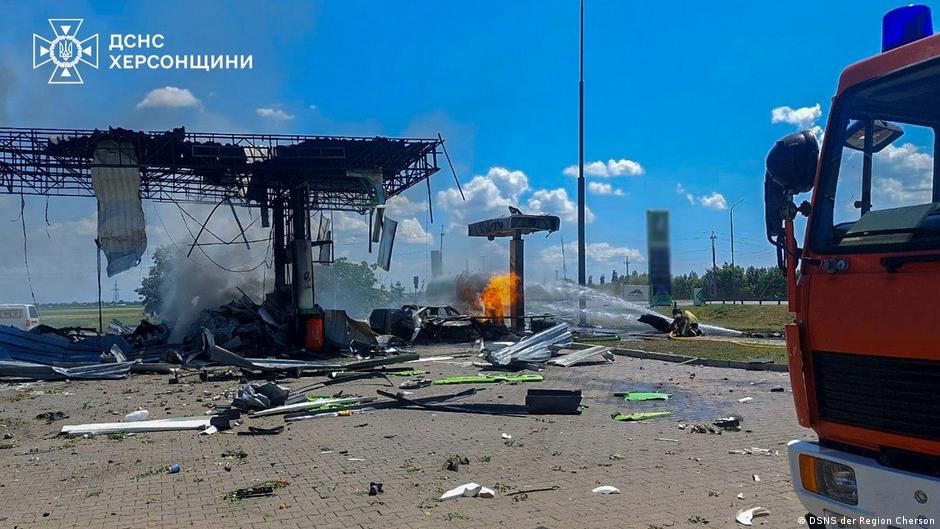
According to reports emerging from local administrative sources, the port of Kerch experienced a significant fire following the attack, specifically at the "TES-Terminal," a rail complex involved in the transshipment and storage of petroleum products and liquefied gas. The industrial zone suffered notable damage, underscoring the risks associated with concentrated energy and logistics assets in contested regions.
Additional incidents included fires in the settlement of Kurortnoye, home to an air defense facility, as well as on the grounds of military unit No. 98546 near Kerch. These attacks collectively suggest a coordinated strategy aimed at undermining the operational capabilities of both military and industrial infrastructure.
"Military forces in Sevastopol are actively repelling drone attacks using air defense systems and mobile fire groups," stated the local governor, highlighting the ongoing defensive efforts and the complexity of the threat environment.
Security Measures and Operational Response
In Sevastopol, authorities confirmed the interception and destruction of four unmanned aerial vehicles near Balaklava and Cape Fiolent. Despite the scale of the assault, preliminary information indicated no casualties, reflecting effective emergency response and defense protocols.
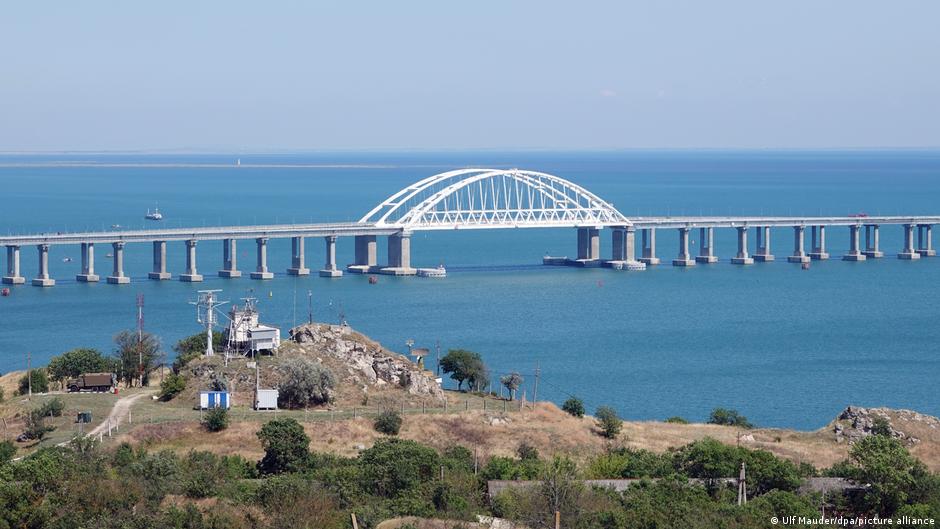
Transportation in the area also faced disruptions, with the Crimean Bridge temporarily closed to vehicular traffic. Security personnel implemented stringent control measures, requesting compliance with safety instructions from individuals present in and around the bridge inspection zones.
Implications for Corporate and Regional Stakeholders
The attacks highlight the vulnerability of crucial energy and logistics infrastructure in geopolitically sensitive areas. For corporate entities involved in regional operations, these events signal an increased operational risk profile, necessitating enhanced security strategies and contingency planning.
Furthermore, the deliberate targeting of energy storage and transportation nodes indicates a strategic approach aimed at disrupting supply chains and economic stability. This underscores the importance for management teams and investors to reassess asset protection frameworks and engage in proactive crisis management.
Broader Competitive and Geopolitical Context
These events are part of a broader pattern of escalating hostilities in the region, with previous drone attacks causing fires at energy facilities, gas distribution stations, and critical transport infrastructure such as bridges and crossings. This evolving security landscape demands heightened vigilance from both public authorities and private sector operators.
In sum, the drone attacks on Crimea represent a multifaceted challenge encompassing military defense, infrastructure resilience, and corporate risk management. Stakeholders must navigate a complex interplay of geopolitical tensions and operational imperatives to safeguard assets and ensure continuity.