Drone and Missile Attacks on Odessa and Dnipro Impact Residential Areas and Civilian Safety
Russian missile and drone strikes in Odessa and Dnipro result in civilian injuries and damage to residential infrastructure, prompting emergency response efforts.
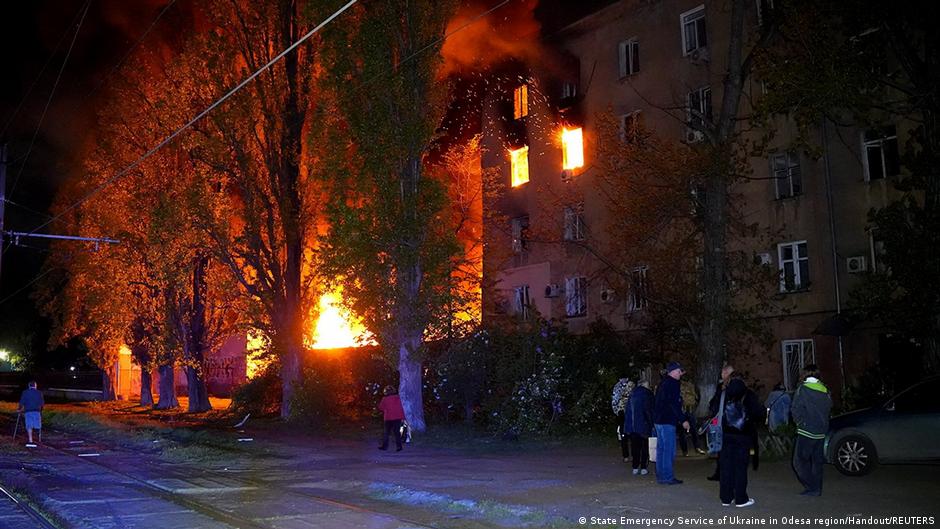
On the night of May 18, drone attacks by Russian Armed Forces targeted Odessa, causing damage to residential buildings and injuring two civilians, according to Sergey Lysak, head of the Odessa city military administration.
The victims include an 11-year-old boy and a 59-year-old man. In addition to residential homes, a lyceum and a kindergarten also sustained damage. Emergency headquarters have been activated on-site to coordinate relief efforts, while emergency and utility services are working intensively to mitigate the damage and restore services.
Escalating Risks to Urban Civilians and Infrastructure
Simultaneously, Russian forces launched missile strikes on Dnipro, resulting in nine injuries and multiple fires, as reported by Alexander Ganja, head of the Dnipropetrovsk regional military administration. Preliminary assessments indicate that missiles struck a residential district, igniting several fires, including a blaze on the roof of a 24-story building.
Some residents remain trapped inside buildings, highlighting the severity of the strikes. Four individuals have been hospitalized with moderate injuries, and five others, including a 10-year-old boy, are receiving outpatient treatment.
"The coordinated attacks on civilian areas underline the increasing complexity and human cost of the conflict, emphasizing the urgent need for robust emergency management and infrastructure resilience," noted regional officials.
These attacks not only inflict human casualties but also disrupt essential urban infrastructure, posing significant challenges to city administrations in maintaining public safety and continuity of services. The coordinated response from military and civil authorities aims to deliver immediate humanitarian aid and begin recovery operations.
From a corporate and strategic perspective, such assaults on urban centers underscore the vulnerability of critical infrastructure in conflict zones and the importance for businesses to evaluate geopolitical risks in operational planning. Companies operating in or near affected regions must consider contingency strategies, including emergency preparedness and supply chain adjustments, to mitigate potential disruptions.
Furthermore, the ongoing military actions contribute to a shifting competitive landscape, affecting investment climates and economic stability in impacted areas. Local authorities’ management decisions and emergency responsiveness will play a pivotal role in restoring confidence among residents and investors alike.