Colombia Declares National Emergency Following Devastating 7.4-Magnitude Earthquake
President Abelardo de la Espriella mobilizes institutional resources to address widespread destruction and humanitarian needs after Colombia’s strongest quake in the 21st century.
Colombia Faces National Crisis Amidst Early Days of New Presidency
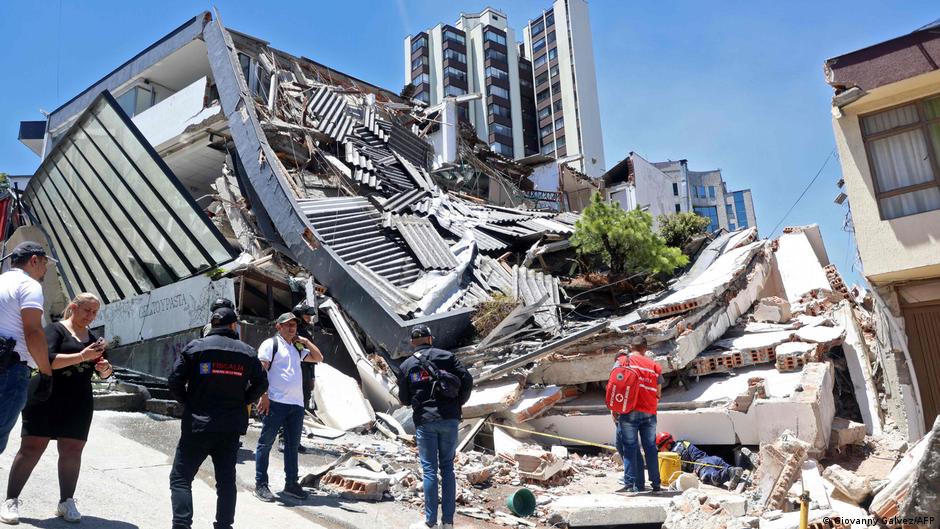
On August 10, just three days after taking office, Colombian President Abelardo de la Espriella declared a nationwide state of emergency in response to a powerful 7.4-magnitude earthquake. The seismic event, recorded as the strongest in Colombia this century, has resulted in at least 132 fatalities and hundreds of injuries, with significant damage reported across multiple cities.
"All institutional resources will be mobilized to respond adequately to the catastrophe," President de la Espriella stated. "The top priority is to save those trapped under rubble." The government faces the immediate challenge of coordinating rescue efforts and managing the extensive humanitarian impact in affected regions.
Widespread Infrastructure Damage Poses Long-Term Recovery Challenges
The earthquake’s epicenter was near the city of San José del Palmar in western Colombia, affecting cities such as Pereira, Cali, and Manizales. Over 1,500 homes sustained serious damage, and approximately 60 buildings completely collapsed. Healthcare and education infrastructure also suffered: 18 hospitals and 52 schools were damaged, intensifying concerns about public safety and service continuity.
The magnitude of destruction underscores the urgent need for disaster management strategies that factor in Colombia’s vulnerability to seismic events. Recovery efforts will require significant coordination between government agencies and international support to rebuild critical infrastructure and provide relief to affected populations.
"This is the strongest earthquake recorded in Colombia in the 21st century," emphasized the Colombian Geological Service, highlighting the unprecedented nature of the disaster.
Strategic Implications for Colombia’s New Administration and International Cooperation
President de la Espriella, who assumed office after defeating left-wing candidate Iván Cepeda in June, inherited a nation already facing complex social and economic challenges. His agenda prioritizes combatting armed groups involved in drug trafficking through military means, including plans to construct large-scale prisons modeled after El Salvador’s approach. The earthquake adds an immediate crisis demanding robust government response and resource allocation.
Internationally, the United States swiftly announced $15.5 million in emergency aid, signaling strong diplomatic support for de la Espriella’s administration, which Washington views favorably. U.S. Secretary of State Marco Rubio emphasized the importance of cooperation on regional security, immigration control, and economic ties, aligning with the new president’s priorities.
The natural disaster may influence Colombia’s broader strategic and economic landscape. Reconstruction efforts will require public-private partnerships and could reshape investment priorities, infrastructure development plans, and regional security policies. Effective management of this crisis could test the new administration’s capacity for decisive governance and impact Colombia’s standing among international partners.
As Colombia navigates this multifaceted crisis, the intersection of natural disaster response and political transition highlights the critical importance of resilient institutional frameworks and strategic international collaboration.