Bolivia and US Renew Cooperation on Narcotics Control After 18 Years
Bolivia and the United States sign a landmark drug enforcement agreement, marking a strategic shift in their long-dormant bilateral relations.
In a significant development for international drug policy and regional security, Bolivia and the United States have signed their first joint agreement on narcotics control since 2008. The pact aims to strengthen cooperation in combating drug trafficking and transnational organized crime, despite the absence of formal diplomatic relations between the two countries.
Strategic Implications for Bolivia-US Relations and Anti-Narcotics Efforts
The agreement, formally titled the "Agreement on Strengthening Bilateral Cooperation in the Fight Against Illegal Drug Trafficking and Transnational Organized Crime," was signed by Bolivia's Foreign Minister Fernando Aramayo. This milestone marks Bolivia’s reengagement with the US in drug control efforts after nearly two decades of diplomatic estrangement.
Despite the long-standing diplomatic freeze — initiated in 2008 when then-President Evo Morales severed ties and expelled US Drug Enforcement Administration (DEA) agents — cooperation at operational levels has seen recent improvement. However, the US DEA office in La Paz remains closed, and the two nations have yet to restore ambassadorial exchanges.
Under the terms of the agreement, the United States will allocate up to $20 million to support Bolivian law enforcement through training programs and procurement of specialized equipment. This financial and technical assistance reflects a strategic pivot towards collaborative approaches to dismantle narcotics networks operating within Bolivia’s borders.
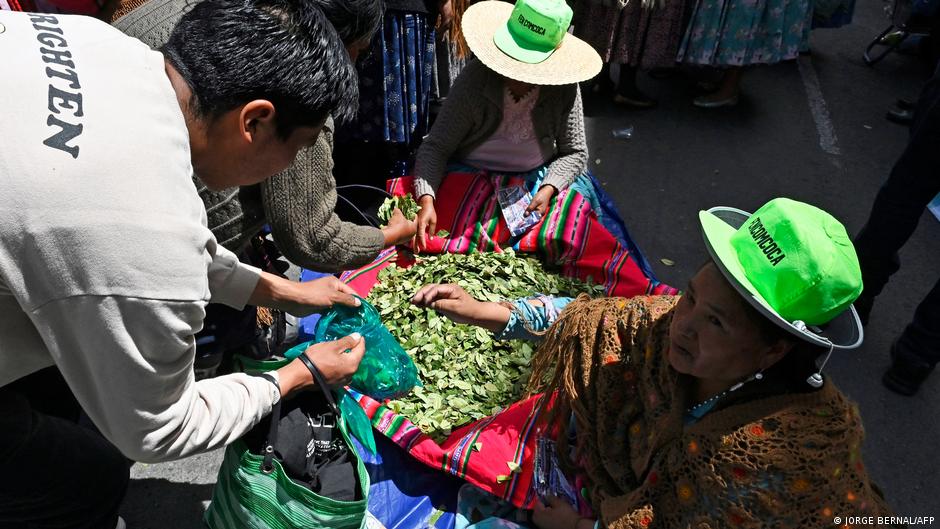
Bolivia is currently ranked as the third largest cocaine producer globally, underscoring the critical need for effective counter-narcotics strategies. The country’s traditional practice of chewing coca leaves complicates eradication policies but remains distinct from illicit cocaine production. The new agreement attempts to balance respect for cultural customs with aggressive measures against trafficking organizations.
"This agreement represents a pragmatic step towards rebuilding trust and enhancing operational collaboration in a historically complex bilateral relationship," noted a regional security analyst.
From a corporate and governance perspective, the renewed cooperation could stabilize the illicit drug market dynamics in the region, impacting both local and international stakeholders. Strengthened enforcement mechanisms and resource sharing might disrupt supply chains that have long powered illicit economies, potentially opening opportunities for legitimate economic development and investment.
For the US, the agreement aligns with broader strategic objectives in Latin America, aiming to curtail drug flows into North American markets while fostering regional security partnerships. For Bolivia, enhanced access to funding and expertise may bolster institutional capacities and law enforcement effectiveness, critical for economic stability and international credibility.
Looking ahead, successful implementation of this agreement will depend on sustained political will, transparent management of allocated resources, and measurable outcomes in reducing drug trafficking activities. The partnership sets a precedent for future engagement models between nations with complex historical ties, emphasizing pragmatic cooperation over longstanding diplomatic impasses.