Belgorod Resumes Mobile Internet and Street Lighting Amid Strategic Security Measures
Acting Governor of Belgorod region orders restoration of mobile internet and street lighting, balancing civilian needs with defense priorities.
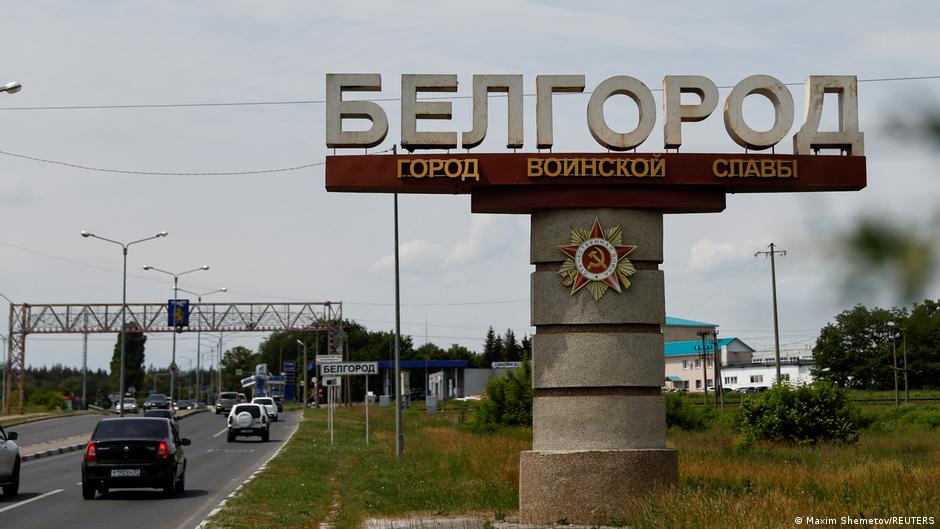
In a significant move to stabilize daily life in Belgorod city, the acting governor of the Belgorod region, Alexander Shuyaev, has directed the restoration of mobile internet services and the reactivation of street lighting. This decision follows a thorough security and operational review conducted by the regional operational headquarters amid ongoing military threats in the border region.
Strategic Restoration Amid Security Challenges
Since October 2025, Belgorod has faced periodic disruptions to its electrical infrastructure, including street lighting, primarily due to security concerns and efforts to reduce the load on energy networks vulnerable to missile strikes. The temporary shutdowns were also intended to expedite the restoration of power following attacks.
The city's mayor, Valentin Demidov, previously justified these restrictions as necessary defensive measures to protect critical infrastructure and maintain essential services. However, these measures had unintended consequences, including hampering communication and warning systems tied to mobile internet services.
"The decisions to partially disable mobile internet were made within the framework of ensuring additional security, but they disrupted important communication and alert mechanisms," noted former governor Vyacheslav Gladkov in late 2025.
Belgorod's proximity to the Ukrainian border subjects it to frequent missile attacks, with the most recent incident occurring on May 25, when the region experienced two large-scale missile strikes by Ukrainian armed forces. These attacks inflicted damage on energy infrastructure, leading to interruptions in electricity and water supplies, and caused injuries and property damage.
Governor Shuyaev emphasized that the restoration of services was carefully considered in light of the current security environment and the needs of residents. While easing restrictions on communications and lighting aims to improve civilian life and operational effectiveness, he cautioned that some limitations might be reinstated if threats escalate.
Decisions regarding mobile internet and street lighting in other municipalities within the region will be made by local authorities based on their respective operational situations, indicating a flexible, decentralized approach to managing security and civilian service balance.
Implications for Regional Governance and Security Strategy
The move to reinstate mobile internet and street lighting reflects a nuanced corporate and governmental strategy weighing the complex interplay of security, public communication, and infrastructure resilience. The regional administration’s approach highlights the importance of adaptive governance in conflict zones, where rapid changes in threat levels necessitate dynamic decision-making.
By delegating authority to local leaders for certain operational decisions, the administration demonstrates an intent to optimize responsiveness and local situational awareness. This decentralization may enhance the effectiveness of resource allocation and emergency responses, critical in a region under frequent military pressure.
From a business perspective, especially for telecommunications and utilities sectors, these developments signal potential shifts in operational protocols and investment priorities. Providers must balance compliance with security directives while meeting consumer demand for connectivity and reliable services.
In summary, the Belgorod region's leadership is navigating the delicate balance between maintaining security amid ongoing conflict and addressing the essential needs of its population through strategic restoration of key infrastructure services.